Discover similar cells:

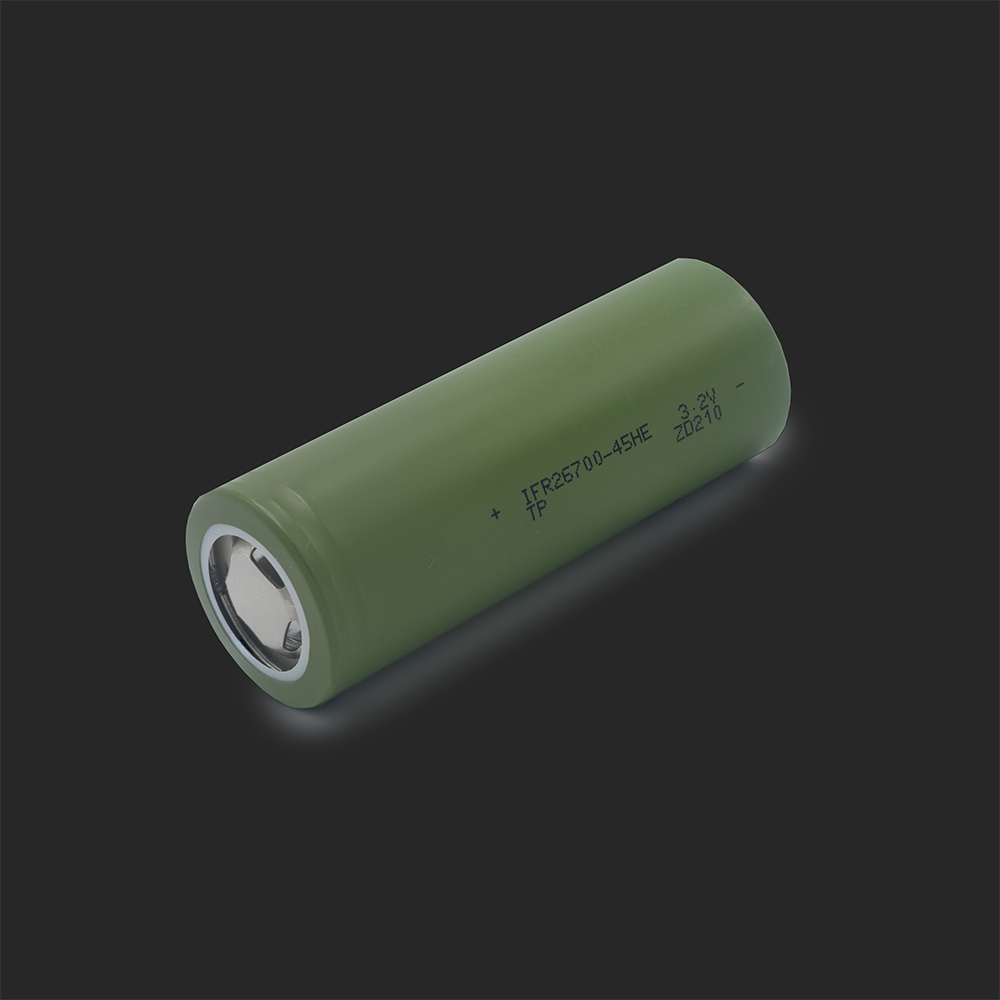
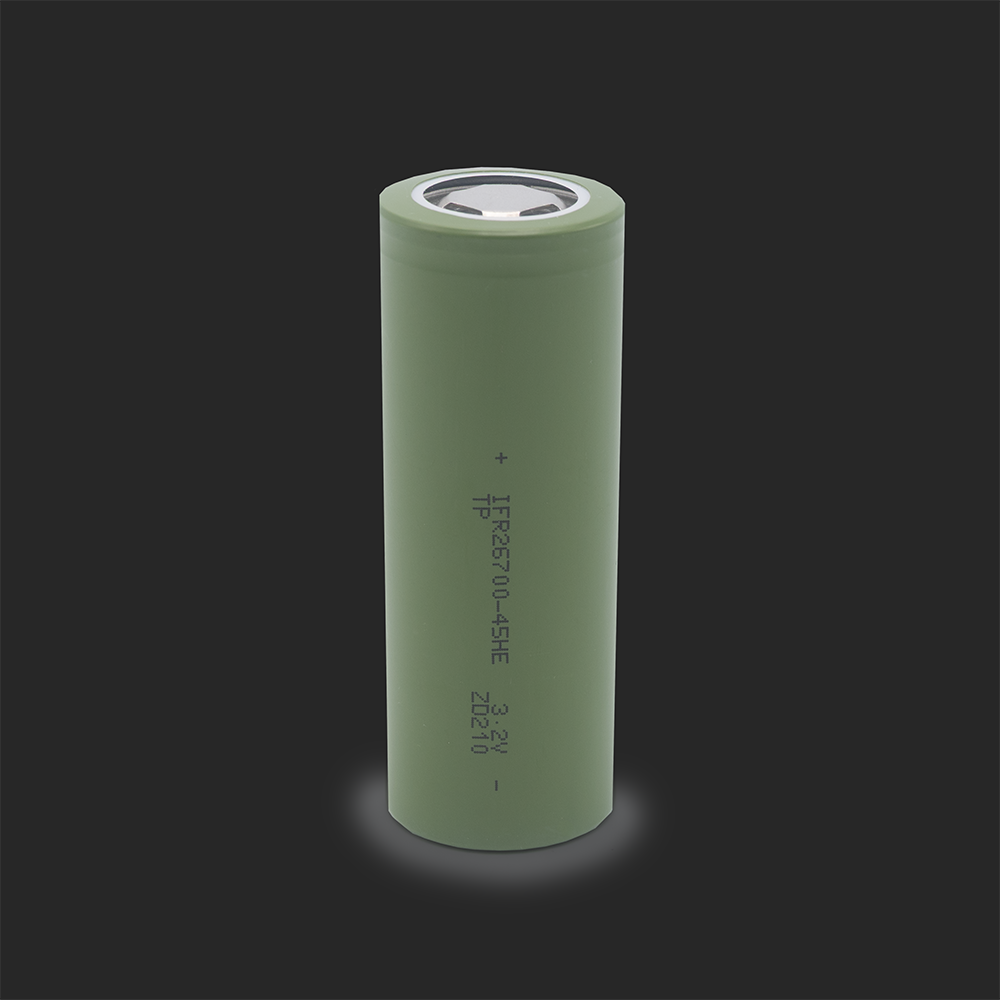
Tenpower IFR26700-45HE

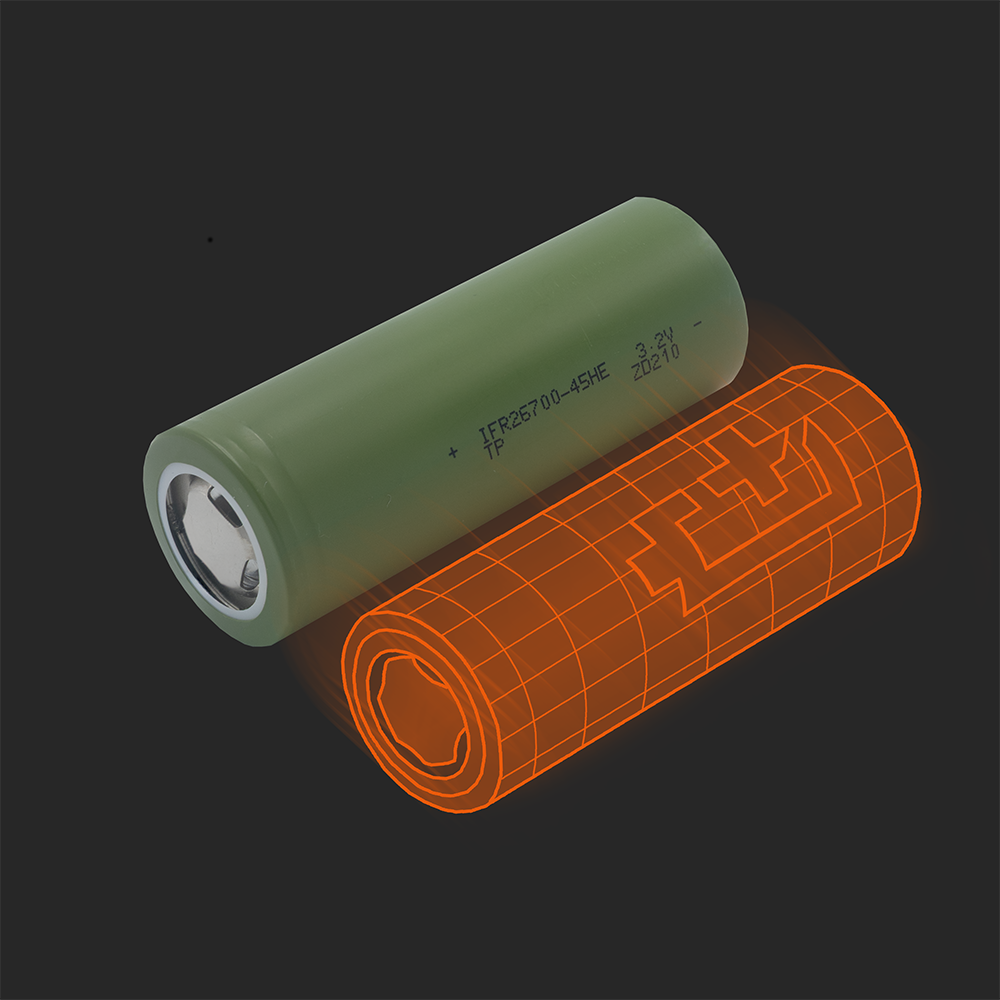
Get everything you need for the lithium-ion battery cell Tenpower IFR26700-45HE: Extensive measurement data in the total operation regime, a high-precision, physical battery model with global validity, and a teardown report that contains all details about materials and microstructures.

Cell Origin sourced by Batemo
Cell Format cylinĀ­drical
DimenĀ­sions 26.3 x 71 mm
Weight 93.2 g
Capacity
definĀ­iĀ­tion
The nominal capacity origiĀ­nates from the manufacĀ­turĀ­er’s data sheet, if availĀ­able. When the data sheet is unavailĀ­able, the nominal capacity is estimated. Batemo measured the C/10 capacity by discharging the cell at an ambient temperĀ­aĀ­ture of 25°C from 100% with a constant current of 0.45A (0.1C) until reaching the voltage of 2V. The thermal boundary condiĀ­tion is free convection.
nominal 4.5 Ah
C/10 4.61 Ah
Current
definĀ­iĀ­tion
All quantiĀ­ties are measureĀ­ment results from the Batemo battery laboraĀ­tory.
The contin­uous current is the highest current that completely discharges the cell without overheating it. There­fore, the cell is discharged from 100% state of charge (SOC) at an ambient temper­a­ture of 25°C with a constant current until a residual state of charge of 10% and either the lower voltage limit of 2V or 90% of the maximum surface temper­a­ture (54°C) is reached.
The peak current is the current that the cell can supply for 5 minutes. The cell is there­fore discharged from 100% SOC at an ambient temper­a­ture of 25°C with a constant current until it reaches either the lower voltage limit of 2V or the maximum surface temper­a­ture of 60°C after 5 minutes. For cells that reach the maximum surface temper­a­ture, the measured current is taken directly as the peak current. For cells that do not reach the maximum surface temper­a­ture after 5 minutes because they reach the lower voltage limit first, the measured current is multi­plied by a correc­tion factor that estimates the current that would have heated the cell to the maximum surface temper­a­ture within 5 minutes.
The thermal boundary condiĀ­tion is free convecĀ­tion. These operating conditions may be outside the cell manufacturer’s specification.
continĀ­uous 11.3 A
peak 25.9 A
Energy
definĀ­iĀ­tion
Batemo measured the C/10 energy by discharging the cell at an ambient temper­a­ture of 25°C from 100% with a constant current of 0.45A (0.1C) until reaching the voltage of 2V. The thermal boundary condi­tion is free convection.
C/10 14.9 Wh
Power
definĀ­iĀ­tion
All quantiĀ­ties are measureĀ­ment results from the Batemo battery laboraĀ­tory.
The contin­uous power is the highest power that completely discharges the cell without overheating it. There­fore, the cell is discharged from 100% state of charge (SOC) at an ambient temper­a­ture of 25°C with a constant current until a residual state of charge of 10% and either the lower voltage limit of 2V or 90% of the maximum surface temper­a­ture ( 54°C) is reached.
The peak power is the power the cell can supply for 5 minutes. The cell is there­fore discharged from 100% SOC at an ambient temper­a­ture of 25°C with a constant current until it reaches either the lower voltage limit of 2V or the maximum surface temper­a­ture of 60°C after 5 minutes. For cells that reach the maximum temper­a­ture limit, the measured power is directly taken as peak power. For cells that do not reach the maximum surface temper­a­ture after 5 minutes because they reach the lower voltage limit first, the measured power is multi­plied by a correc­tion factor that estimates the power that would have heated the cell to the maximum surface temper­a­ture within 5 minutes.
The thermal boundary condiĀ­tion is free convecĀ­tion. These operating conditions may be outside the cell manufacturer’s specification.
continĀ­uous 33.6 W
peak 72.1 W
Energy Density
definĀ­iĀ­tion
The energy densiĀ­ties result from the C/10 energy, the cell weight and the cell volume.
graviĀ­metric 160 Wh/kg
volumetric 387 Wh/l
Power Density
definĀ­iĀ­tion
The power densiĀ­ties result from the peak power, the cell weight and the cell volume.
graviĀ­metric 774 W/kg
volumetric 1.87 kW/l
Chemistry
definition
cathode ā–ˆā–ˆā–ˆā–ˆ
anode ā–ˆā–ˆā–ˆā–ˆ
Resistance
definition
RAC ā–ˆā–ˆ mĪ©
Rpol ā–ˆā–ˆ mĪ©
DCIR ā–ˆā–ˆ mĪ©
Heat Power
definition
@ 1C ā–ˆā–ˆ W
@ 3C ā–ˆā–ˆ W
Efficiency
definition
@ C/2 ā–ˆā–ˆ %
@ 1C ā–ˆā–ˆ %
Unlock more specs in Batemo Insights Unlock with Insights

Unlock More with Batemo Insights

Explore IFR26700-45HE's cell chemistry, impedance, heat generation, safety features and more — and compare it to 320+ cells

Try Insights

Tenpower IFR26700-45HE Model

The Batemo Cell Model of the lithium-ion battery cell Tenpower IFR26700-45HE is a high-preciĀ­sion, physical cell model with global validity. As a digital twin it seamlessly integrates into your research, development and battery analytics by basing your decisions on simulaĀ­tions. See the details to learn more about the features and capabilĀ­iĀ­ties of the Batemo Cell Model. Batemo demonĀ­strates the accuracy and validity of the Batemo Cell Model by comparing battery simulaĀ­tion and measureĀ­ment data in the range given below. ValidaĀ­tion is extenĀ­sive, experĀ­iĀ­mental characĀ­terĀ­iĀ­zaĀ­tion covers the total operaĀ­tional area of the cell: At low and high temperĀ­aĀ­tures, up to the maximal current and in the whole state of charge range.

State of Charge Range 0 … 100%
Current Range
definĀ­iĀ­tion

The current range are the electrical current limits as used in the Batemo battery laboraĀ­tory. Please see the Tenpower IFR26700-45HE data sheet for the precise definĀ­iĀ­tion of the current safe area of operaĀ­tion of the cell.
-54 A discharge … 9 A charge (-12C … 2C)
Voltage Range
definĀ­iĀ­tion

The voltage range are the electrical voltage limits as used in the Batemo battery laboraĀ­tory. Please see the Tenpower IFR26700-45HE data sheet for the precise definĀ­iĀ­tion of the voltage safe area of operaĀ­tion of the cell.
2 … 3.65 V
TemperĀ­aĀ­ture Range
definĀ­iĀ­tion

The temperĀ­aĀ­ture range are the thermal limits as used in the Batemo battery laboraĀ­tory. Please see the Tenpower IFR26700-45HE data sheet for the precise definĀ­iĀ­tion of the temperĀ­aĀ­ture safe area of operaĀ­tion of the cell.
-20 … 60 °C

Moreover, the Batemo Cell Model validaĀ­tion will be fully transĀ­parent. The Batemo Cell Data contains the raw measureĀ­ment and simulaĀ­tion data. For all experĀ­iĀ­ments the voltage, temperĀ­aĀ­ture, power and energy accuraĀ­cies are calcuĀ­lated. This allows straight-forward evaluĀ­aĀ­tion and analysis of the Batemo Cell Model validity. The graphs show a selecĀ­tion of characĀ­terĀ­istic data of the cell Tenpower IFR26700-45HE to evaluate the cell perforĀ­mance. The predicĀ­tion of the Batemo Cell Model is included as soon as the Batemo Cell Model is finished.

Discharge CharacĀ­terĀ­isĀ­tics

Tenpower_IFR2670045HE_const

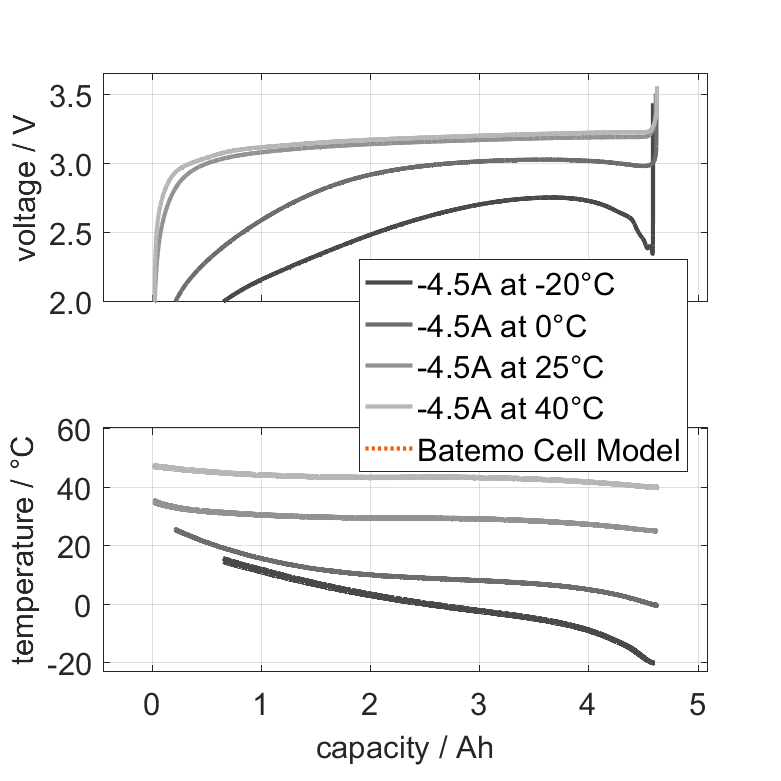
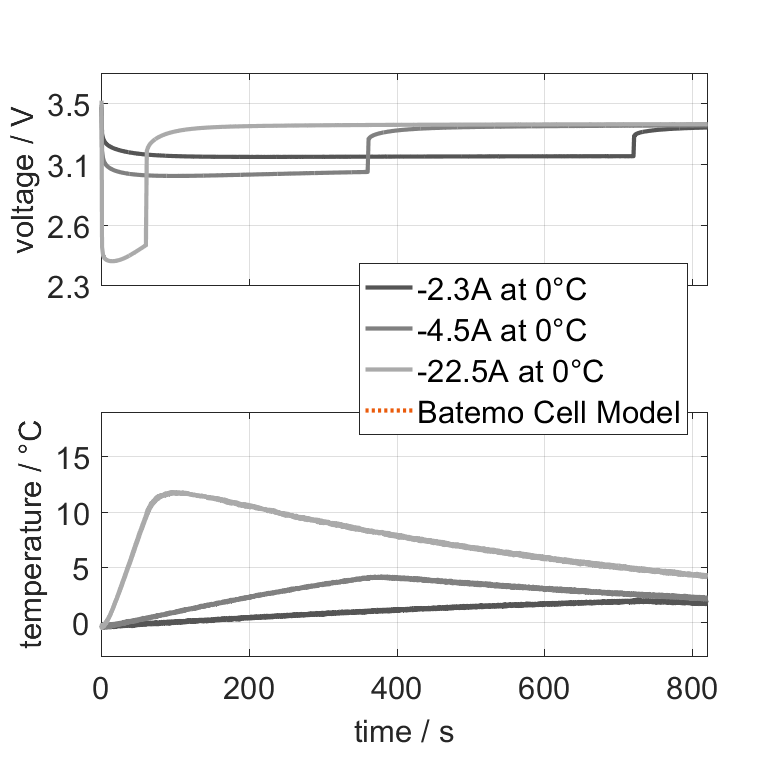
  • Discharge CharacĀ­terĀ­isĀ­tics: The electrical and thermal discharge behavior is strongly nonlinear.
  • Pulse CharacĀ­terĀ­isĀ­tics: The shape of different current pulses changes strongly.
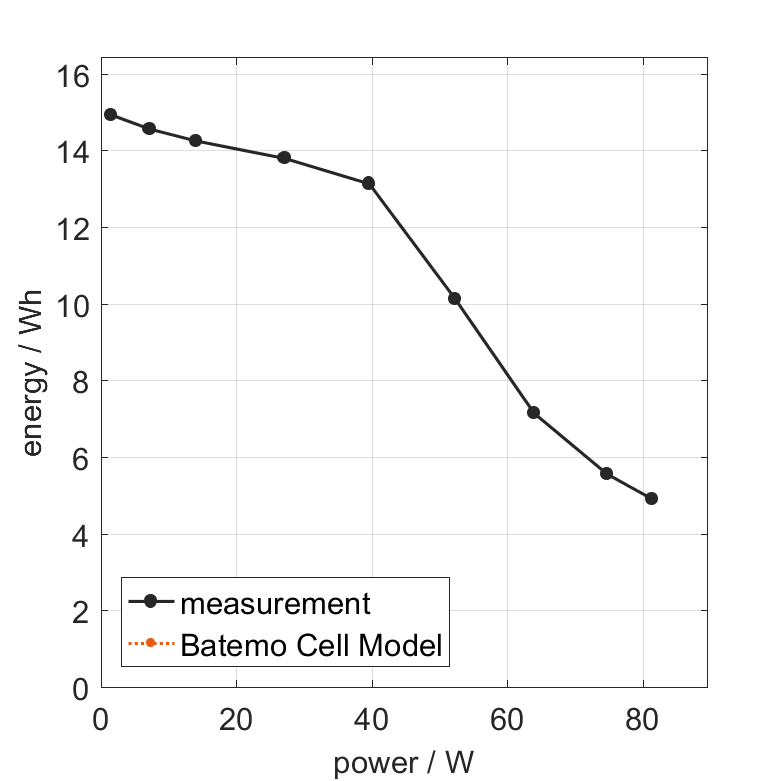
  • Energy CharacĀ­terĀ­isĀ­tics: The graph visualĀ­izes how much energy the cell can deliver when operated at different powers.
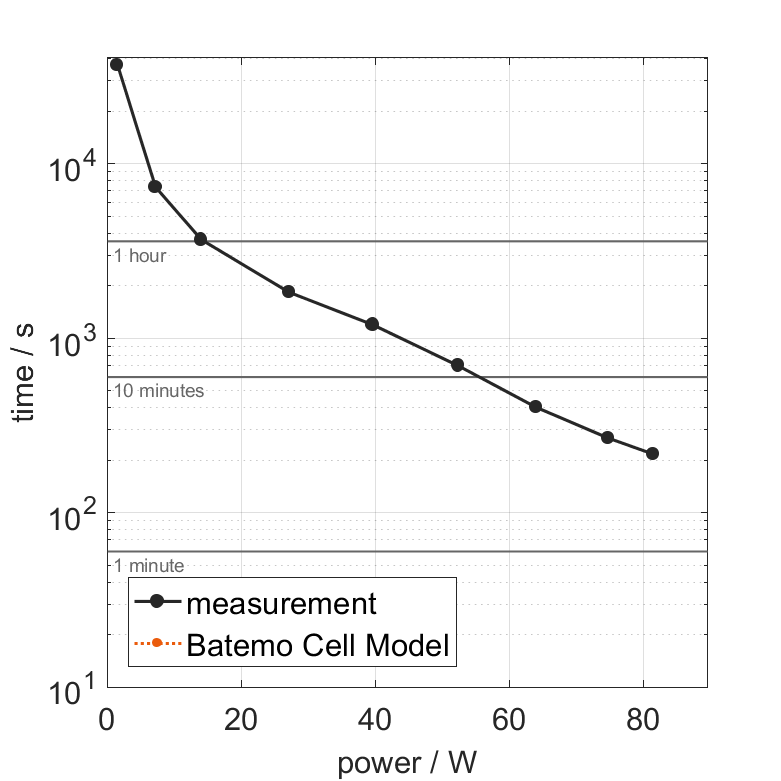
  • Power CharacĀ­terĀ­isĀ­tics: The more power the cell supplies, the shorter it can deliver the power.
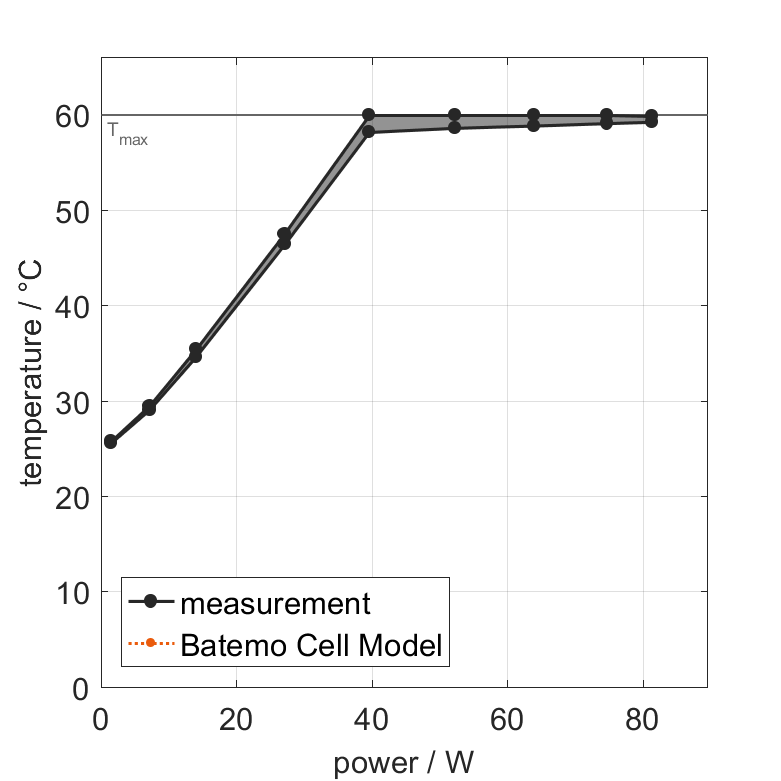
  • Thermal CharacĀ­terĀ­isĀ­tics: The greater the thermal losses, the more the cell heats up, resulting in higher depleted power.

Pulse CharacĀ­terĀ­isĀ­tics

Tenpower_IFR2670045HE_pulse

show experĀ­iĀ­ment definĀ­iĀ­tions

Discharge CharacĀ­terĀ­isĀ­tics
The cell is discharged from 100% SOC with different constant currents at different ambient temper­a­tures. The thermal boundary condi­tion is free convec­tion. The measure­ment stops when reaching either the voltage of 2V or the surface temper­a­ture of 60°C.
Pulse CharacĀ­terĀ­isĀ­tics
The cell is discharged from 100% SOC with current pulses followed by no-load phases at different ambient temper­a­tures. The thermal boundary condi­tion is free convec­tion. The measure­ment stops when reaching either the voltage of 2V or the surface temper­a­ture of 60°C. The graph shows a zoomed view of the measure­ment to visualize one of the pulses.
Energy CharacĀ­terĀ­isĀ­tics
The cell is discharged from 100% SOC with different constant currents at 25°C. The thermal boundary condi­tion is free convec­tion. The measure­ment stops when reaching either the voltage of 2V or the surface temper­a­ture of 60°C. The graph shows the derived exchanged energy and average power of the experiment.
Power CharacĀ­terĀ­isĀ­tics
The cell is discharged from 100% SOC with different constant currents at 25°C. The thermal boundary condi­tion is free convec­tion. The measure­ment stops when reaching either the voltage of 2V or the surface temper­a­ture of 60°C. The graph shows the derived exper­i­ment duration and average power of the experiment.
Thermal CharacĀ­terĀ­isĀ­tics
The cell is discharged from 100% SOC with different constant currents at 25°C. The thermal boundary condi­tion is free convec­tion. The measure­ment stops when reaching either the voltage of 2V or the surface temper­a­ture of 60°C. The graph shows the cell surface temper­a­ture at the end and the derived average power of the experiment.

Energy CharacĀ­terĀ­isĀ­tics

How much energy can it deliver?

Tenpower_IFR2670045HE_energy

Power CharacĀ­terĀ­isĀ­tics

How long can it deliver the power?

Tenpower_IFR2670045HE_power

Thermal CharacĀ­terĀ­isĀ­tics

How hot does it get?

Tenpower_IFR2670045HE_thermal

The mean accuraĀ­cies and supported simulaĀ­tion tools are published as soon as the Batemo Cell Model is finished.

Tenpower IFR26700-45HE Data

Batemo offers an extenĀ­sive, experĀ­iĀ­mental characĀ­terĀ­iĀ­zaĀ­tion of the lithium-ion battery cell Tenpower IFR26700-45HE. The data contains measureĀ­ment results in the total operaĀ­tional area of the cell. The descripĀ­tions and graphs below explain and show the availĀ­able measureĀ­ments. The Batemo Cell Viewer allows easy and fast analysis, evaluĀ­aĀ­tion and comparĀ­ison of the data. See the details to learn more.

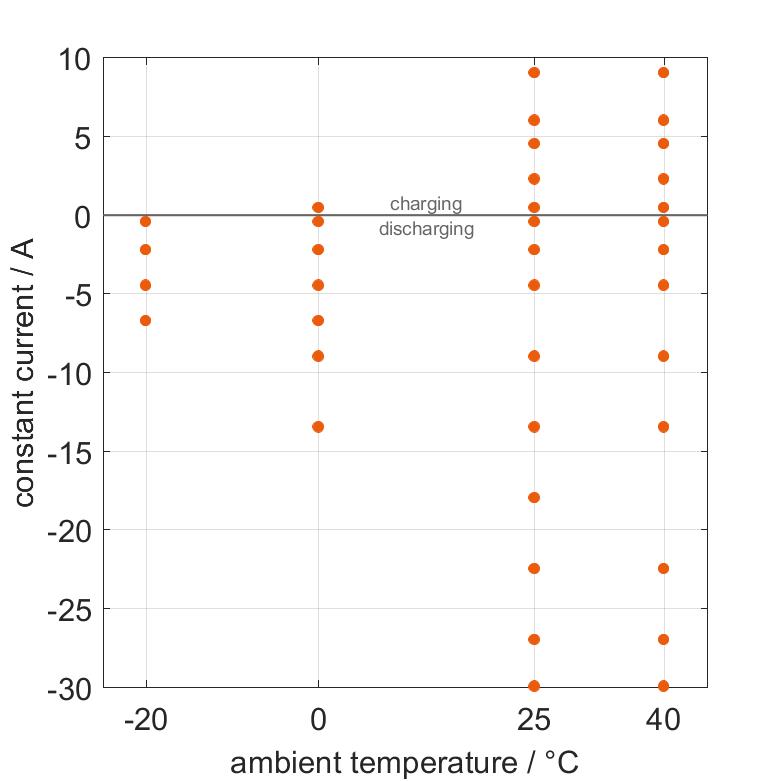
Constant Currents

Tenpower_IFR2670045HE_validation_const

The cell is discharged from 100% SOC or charged from 0% SOC with different constant currents at different ambient temper­a­tures. The thermal boundary condi­tion is free convec­tion. The measure­ment stops when reaching either the voltage of 2V or 3.65V or the surface temper­a­ture of 60°C. The graph shows for which ambient temper­a­tures and charging and discharging constant currents measure­ments are available.

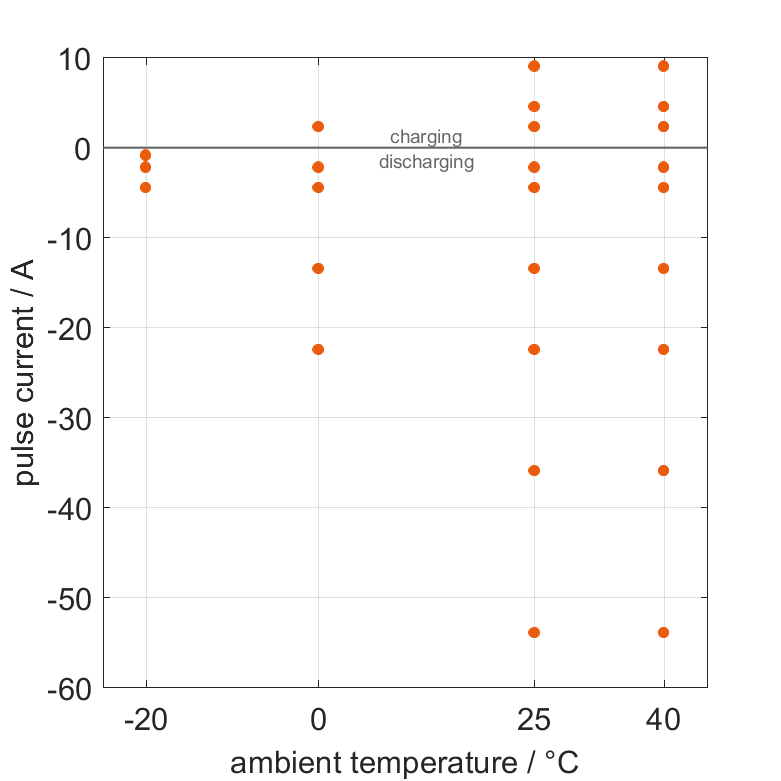
Pulse Currents

Tenpower_IFR2670045HE_validation_pulse

The cell is discharged from 100% SOC or charged from 0% SOC with current pulses followed by no-load phases at different ambient temper­a­tures. The thermal boundary condi­tion is free convec­tion. The measure­ment stops when reaching either the voltage of 2V or 3.65V or the surface temper­a­ture of 60°C. The graph shows for which ambient temper­a­tures and pulse currents measure­ments are available.

Power Profiles

Ambient
TemperĀ­aĀ­ture
AvailĀ­able
Profiles
-20 °C profile_check
0 °C profile_check
25 °C profile_check
40 °C profile_check

The cell delivers a typical power profile from 100% SOC at different ambient temper­a­tures. The thermal boundary condi­tion is free convec­tion. The measure­ment stops when reaching either the voltage of 2V or the surface temper­a­ture of 60°C. The table summa­rizes for which ambient temper­a­tures the profile is available.

Tenpower IFR26700-45HE Report

Batemo offers a detailed report of the lithium-ion battery cell Tenpower IFR26700-45HE. The report covers all imporĀ­tant aspects about the cell. This inforĀ­maĀ­tion greatly helps you to further evaluate and compare the cell. It is a profound basis for your decisions concerning your battery system design. See the details to learn more.

PerforĀ­mance Overview
Cell Exterior
Cell Interior
Safety Features
Electrode MicrostrucĀ­ture and Material

Tenpower IFR26700-45HE Insights

There's more to discover

Unlock full analysis for IFR26700-45HE in Batemo Insights

Chemistry & Materials
Get to know active materials for the IFR26700-45HE
Impedance & Resistance
Explore impedance spectrum and DCIR (SOC, T) of IFR26700-45HE
Heat Power & Efficiency
Explore heat generation and cell efficiency at different temperatures and powers of IFR26700-45HE