Do you want to build the best thermal system?
Design it with Batemo!
Challenge
Implementing an effective battery thermal management system is indispensable to maximize battery performance while ensuring safety and longevity under all operating conditions. Yet, it imposes a significant challenge, as numerous objectives, practical constraints and design variants must be considered. Designing a cooling concept for a new battery system prototype or optimizing the design of an existing system means to have precise knowledge of heat generation in the battery, heat storage within and heat transport across all components - something that is missing when technology evolves as fast as in the battery community.
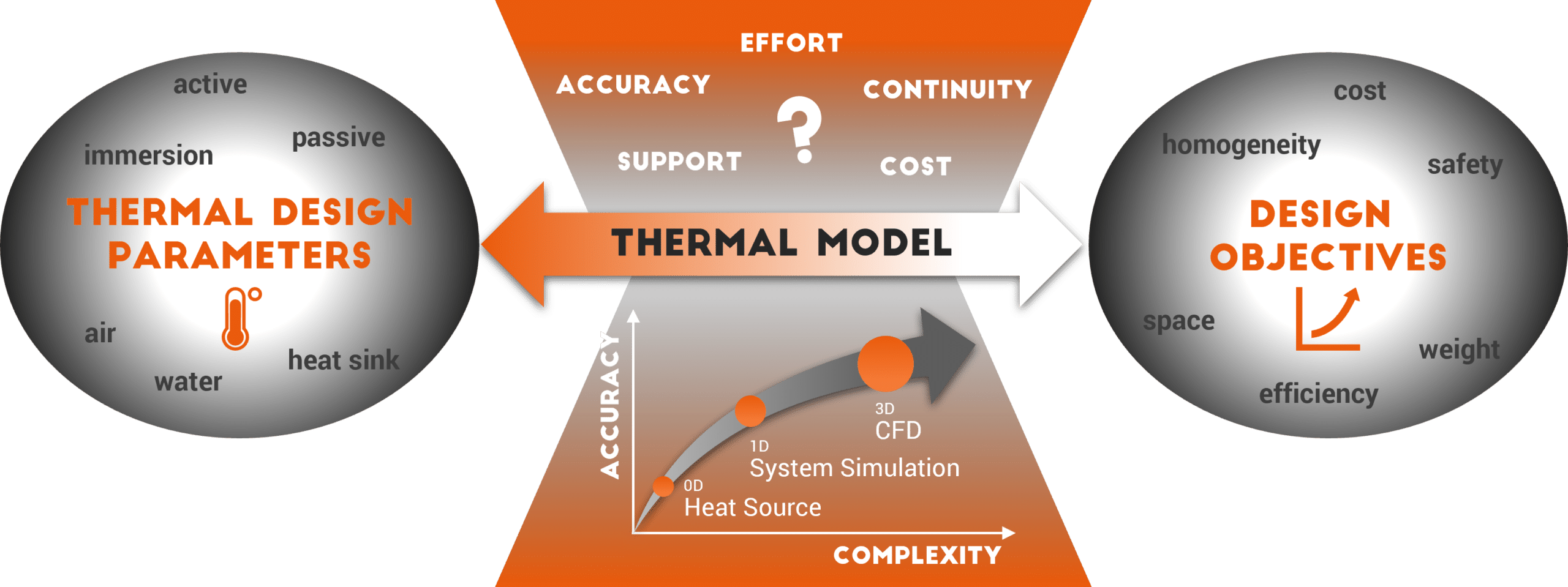
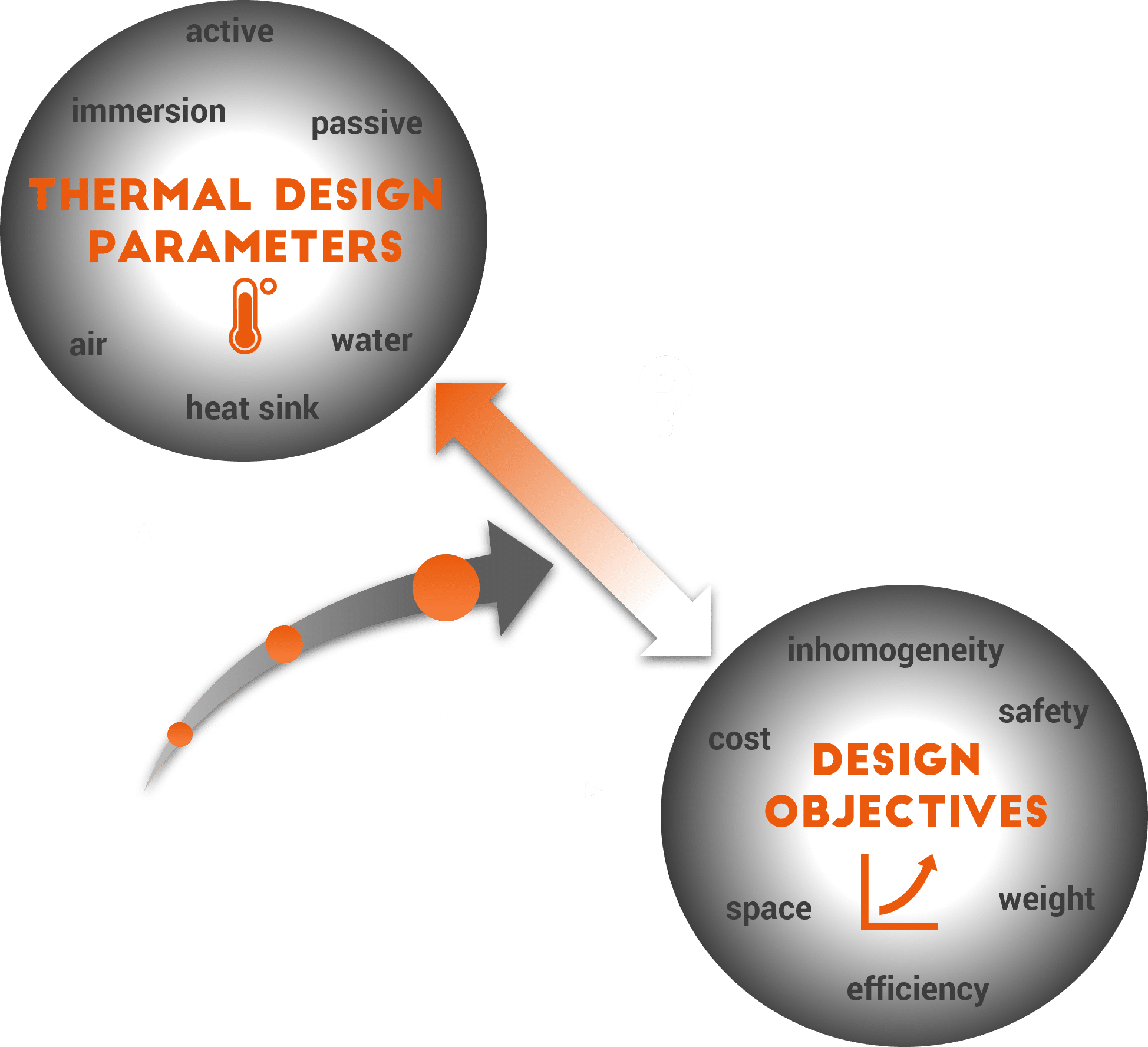
- How does the cooling system impact the debalancing amongst cells in the module, and how can my BMS account for that?
- How does the cooling system impact the temperature, state of charge and current distribution within the cell, and how does that change with aging?
- Is a bottom or side cooling concept more beneficial for my pack?
- Which cooling strategy is required to optimize the fast-charging capability of my pack?
- How much space do I safe when switch from water to immersion cooling?
- How should I design the heat sinks to enable passive cooling of my pack?
Solution

Fast

Physical

Accurate
Battery Thermal Modeling Solutions:
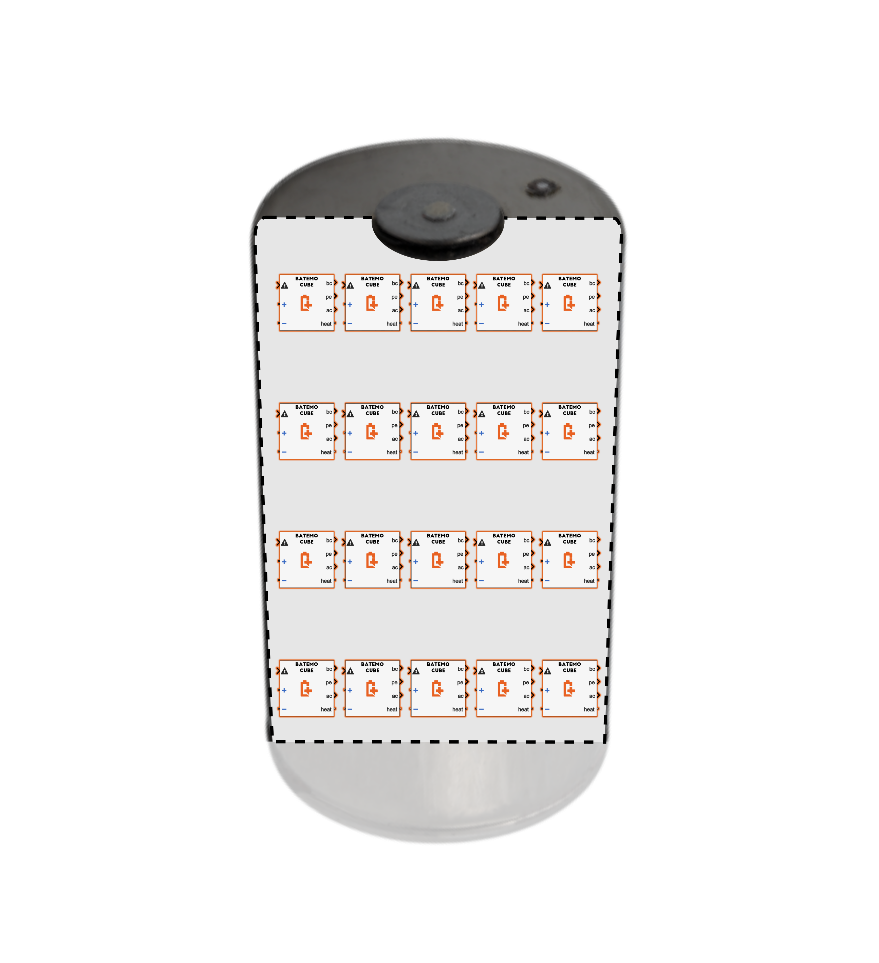
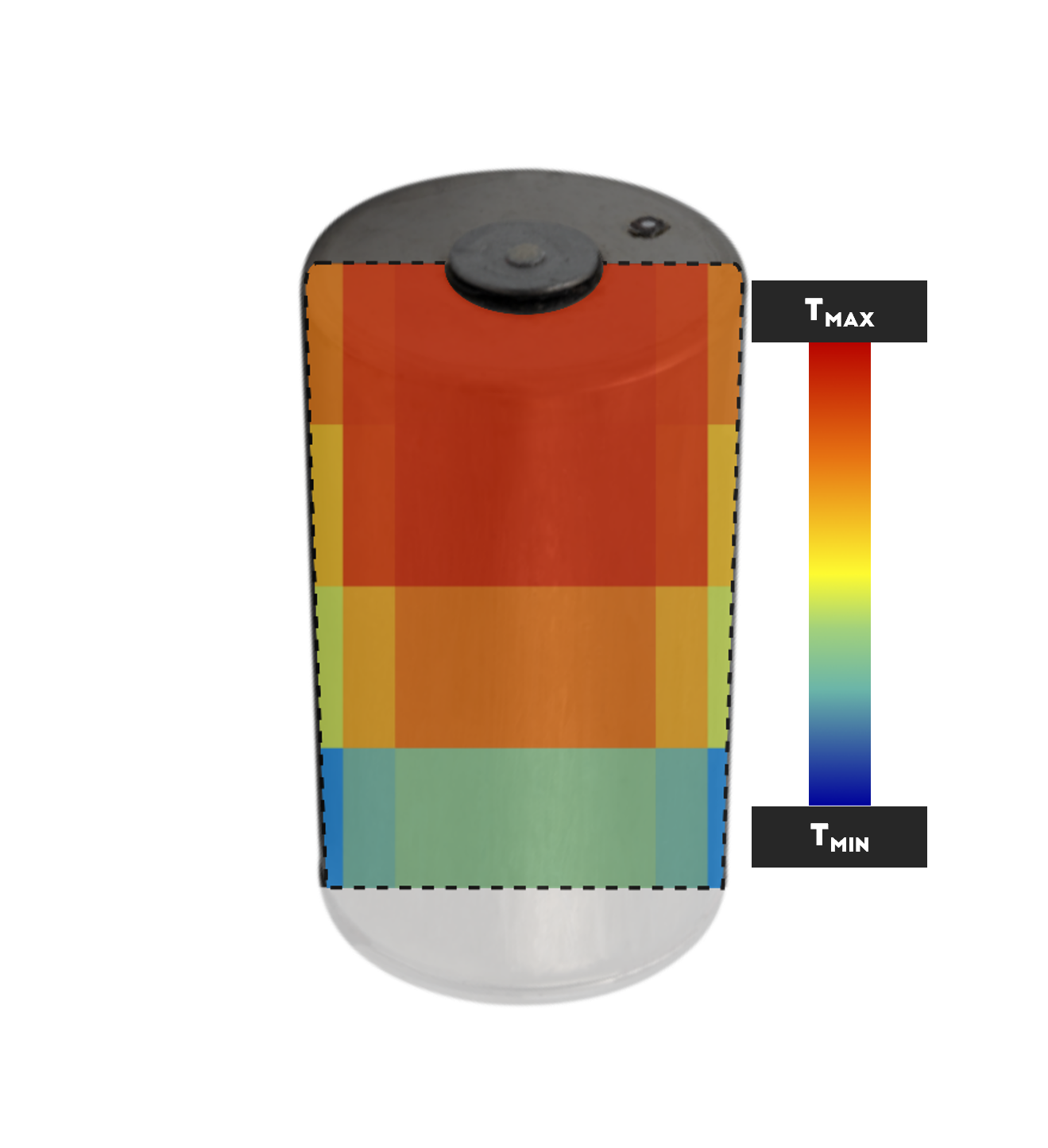
Analyze the local temperature distribution in your cell and develop optimized cooling concepts.
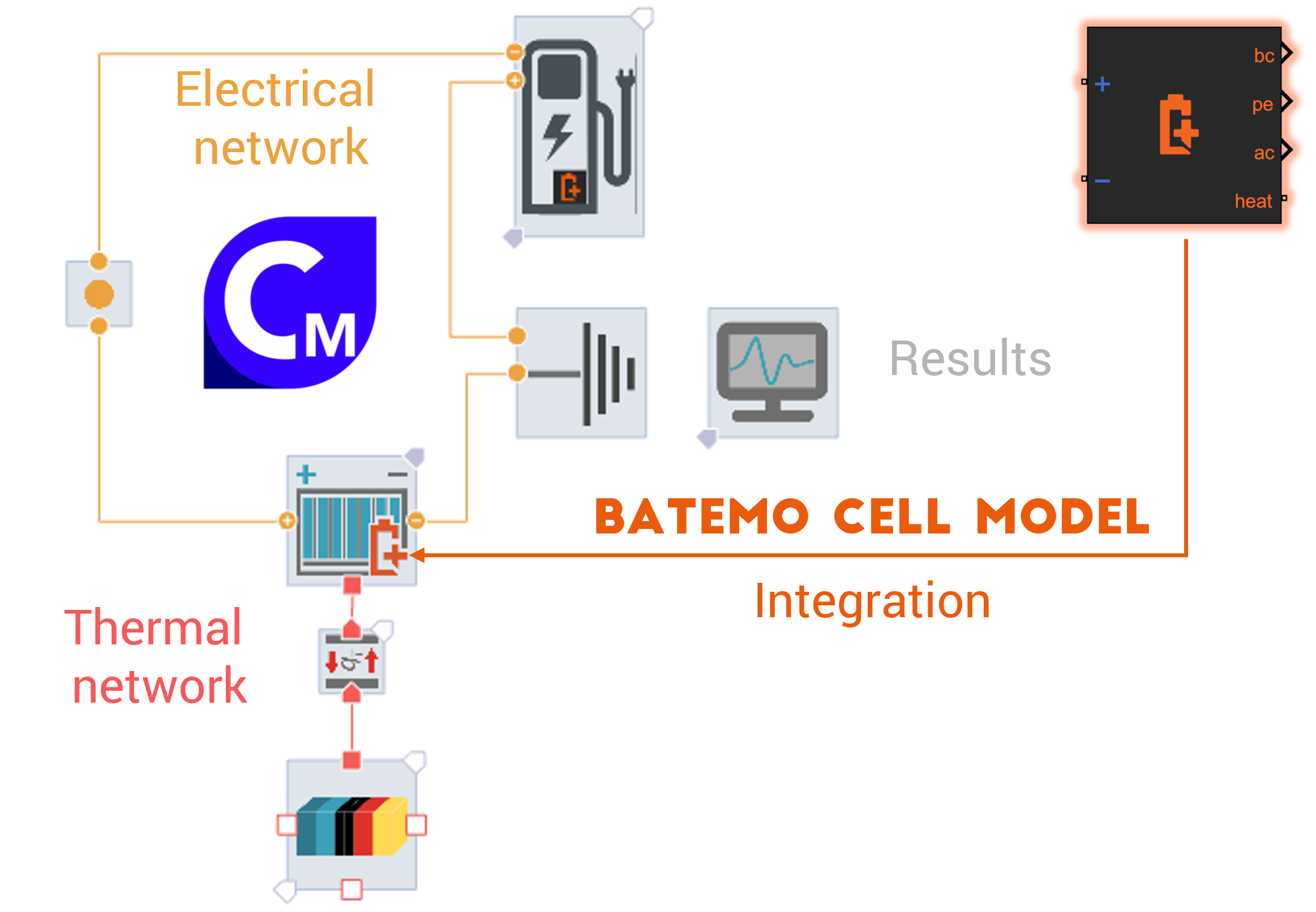
Optimize the thermal network in your total system, check for debalancing in your pack and much more.
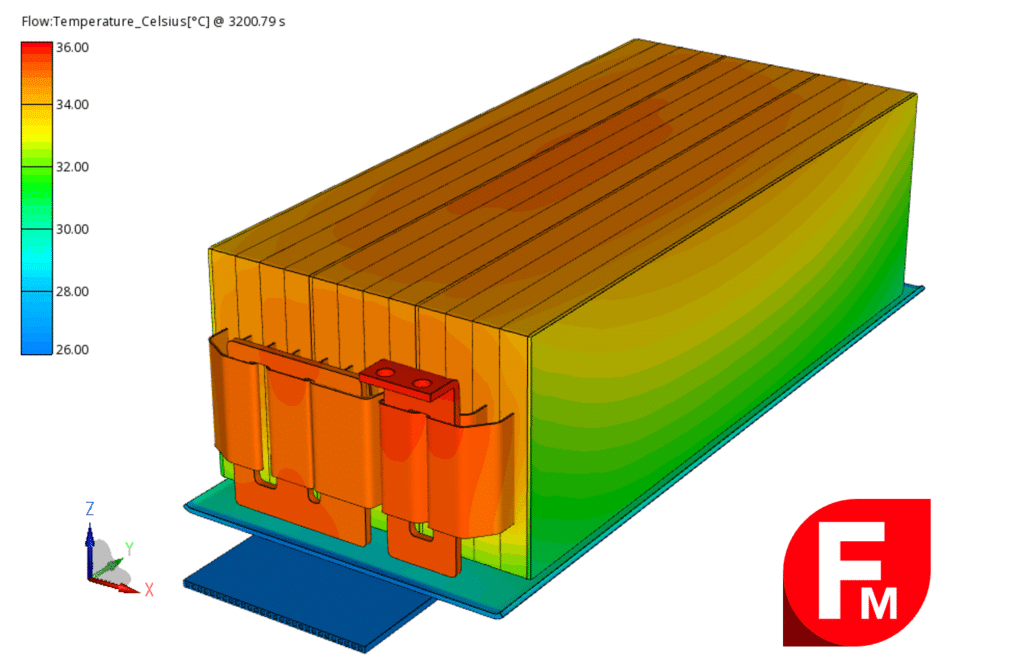
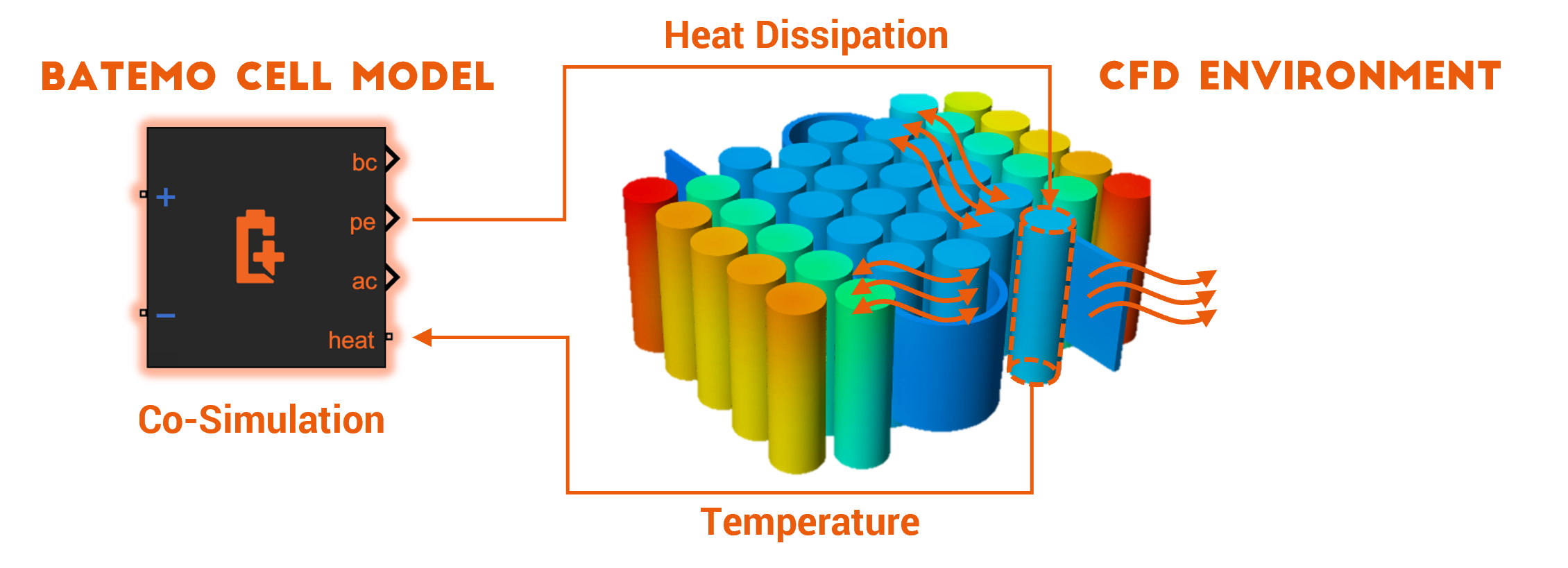
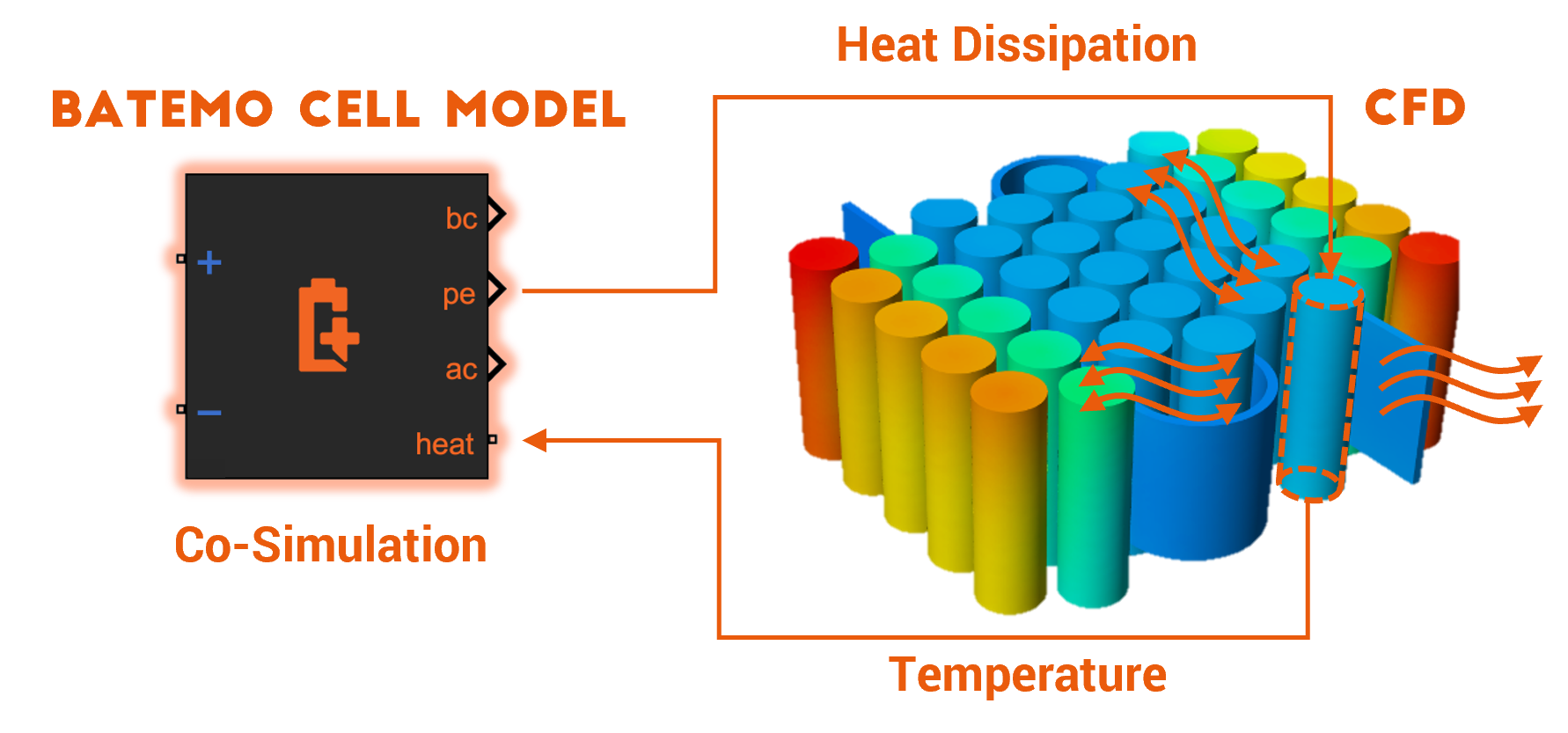
Predict the exact temperature distribution even in a complex pack geometry and include fluid dynamics.
Cell Internal - Batemo Cube Model
Real
battery Cell
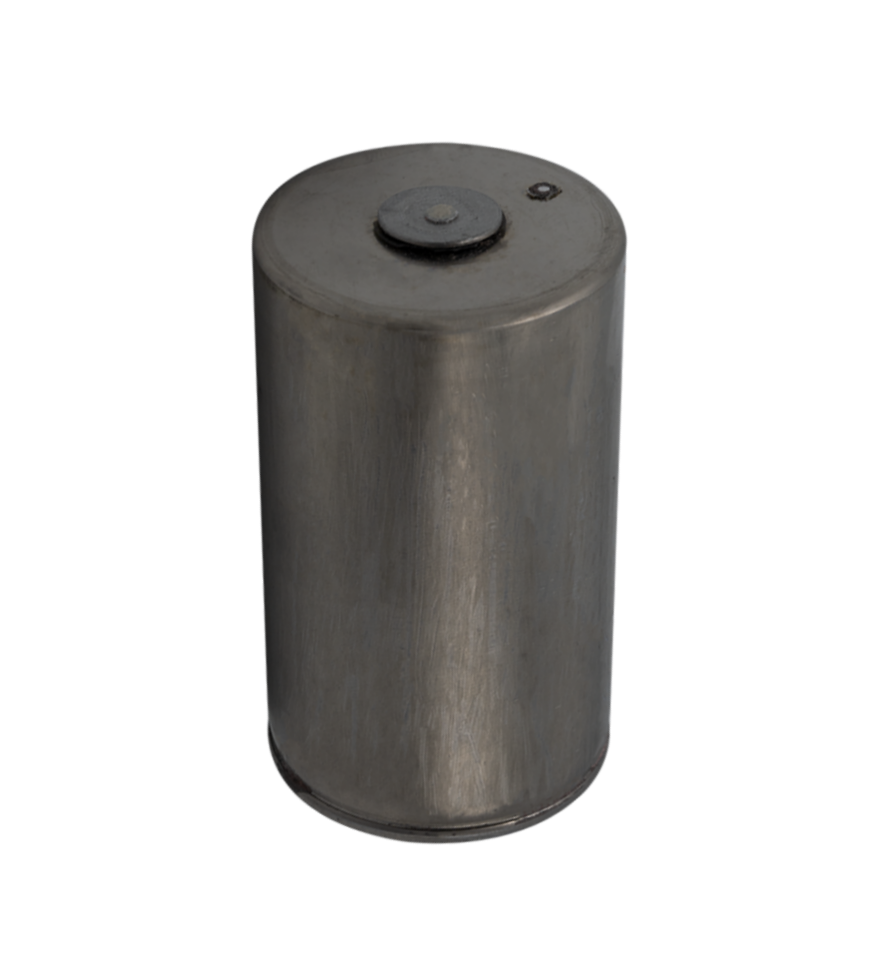

3D Discretization
with Cube Models
Inner Temperature Distribution
System Simulation
3D Computational Fluid Dynamics

development method
-
Get the Batemo Cell Model or the Batemo Cube Model to have a physical, parameterized and validated battery cell model.
-
Integrate the cell model into your system model or CFD model in your preferred simulation environment.
-
Identify the best thermal system by varying thermal design parameters and compare different cell, module or pack design variants. Consider arbitrary cells, cooling concepts and operation strategies, as well as your constraints and your KPIs.
-
Do a design of validation experiments with a thermal management system prototype and get it into your technology.
Advantages

Better

Faster