Batemo Cell Model
Battery cell models for accurate battery simulation
The Batemo Cell Model is a fast, physical and high-precision battery model of one specific battery cell. It runs battery simulations in seconds on a normal office computer, inside the simulation tools you already use.

Batemo Cell Models are the most accurate battery cell models.
Batemo backs this claim with a promise. Accuracy is calculated from validation experiments that cover the cell's full operating range, as specified by the cell manufacturer.
Measured vs. Batemo Cell Model
voltage / V · surface temperature / °C
capacity / Ah
- 0.45 A
- 4.45 A
- 17.81 A
- 35.62 A
- 49.42 A
0.7%
voltage deviation of the model, RMS over all validation tests
0.8K
temperature deviation, RMS
“If you can show us another battery cell model that is more accurate, we will refund your money.”
- 50 %
- Validation measurements known to Batemo and to the competitor.
- 25 %
- Validation measurements known only to Batemo.
- 25 %
- Validation measurements known only to the competitor.
How the validation is split
Further validation measurements test the model in the interpolation and extrapolation range. The measurement time of all validation measurements is split into three sets, as shown here.
A fast, physical and accurate battery cell model.
A Batemo Cell Model is a fast, physical and high-precision model of one battery cell, built for accurate battery simulations. Batemo creates these models for all types of battery cells and chemistries. It uses its own optimized modeling and parameterization methods for this.
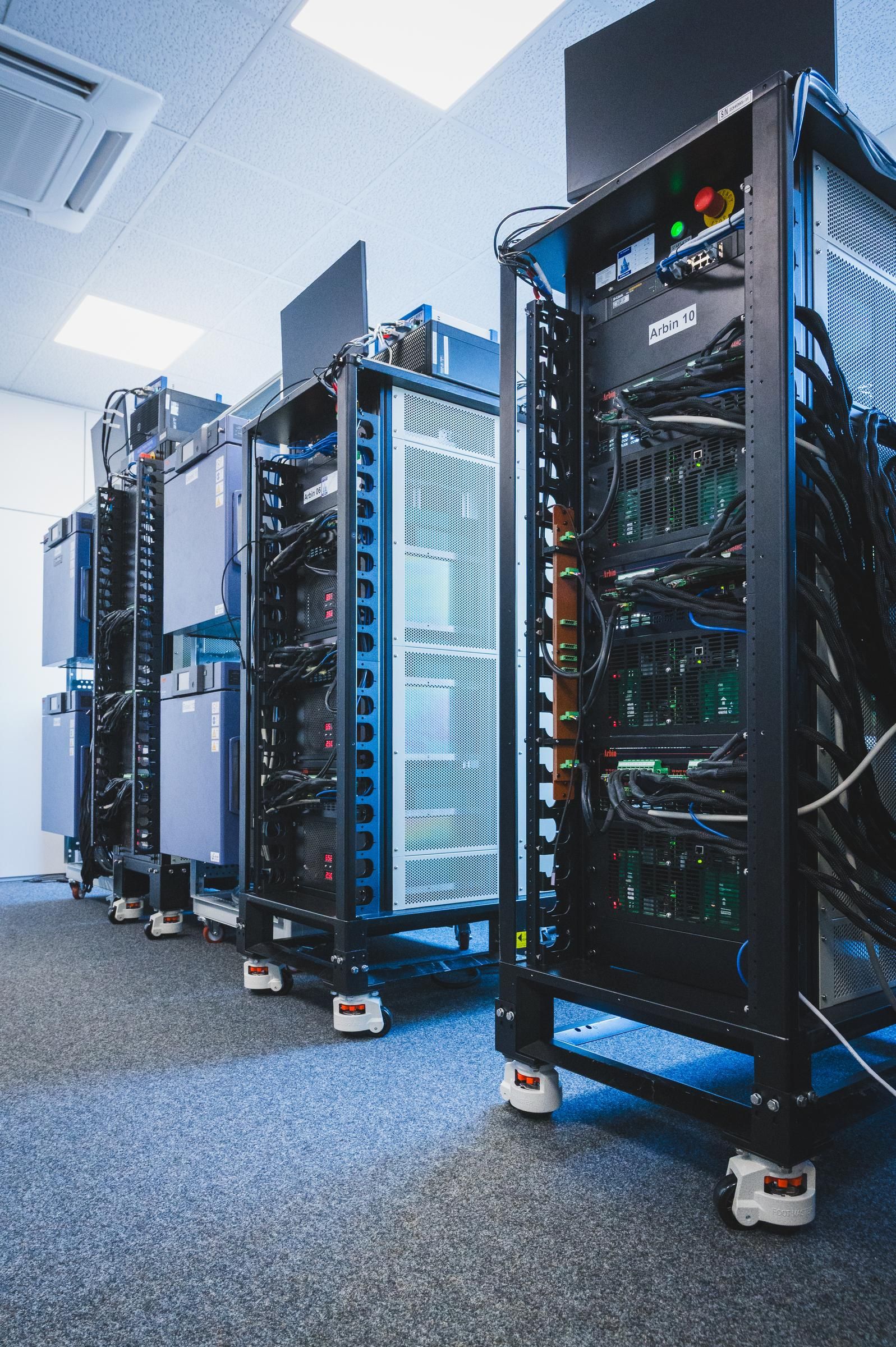
- Fast
- A Batemo Cell Model runs in seconds on a normal office computer. You do not have to wait for simulation results.
- Physical
- The model describes the relevant electrical, chemical, thermal and physical processes inside the cell. It stays valid where conventional models fail: at high currents, at low state of charge and across the entire temperature range.
- Accurate
- Simulation-based development needs valid models. Batemo creates every model for one specific cell type and its chemistry. Extensive measurements demonstrate the validity of every model.
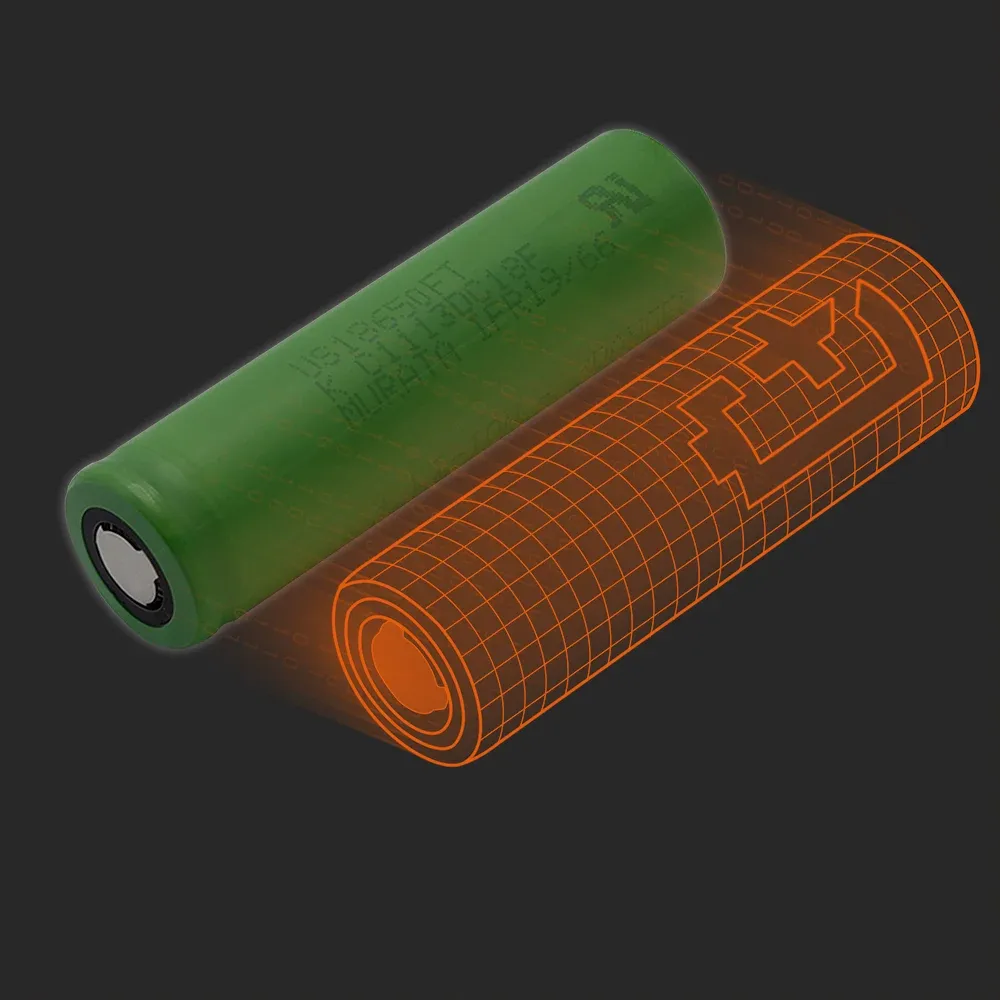
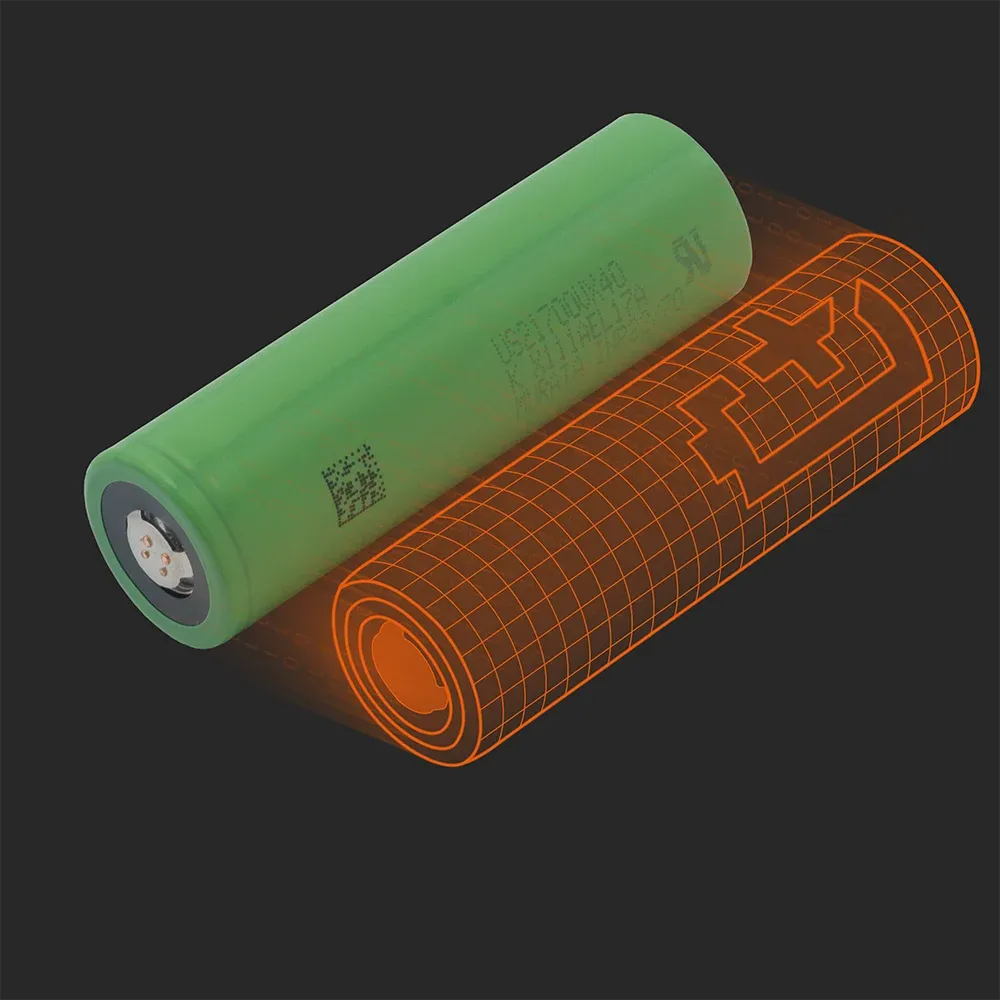
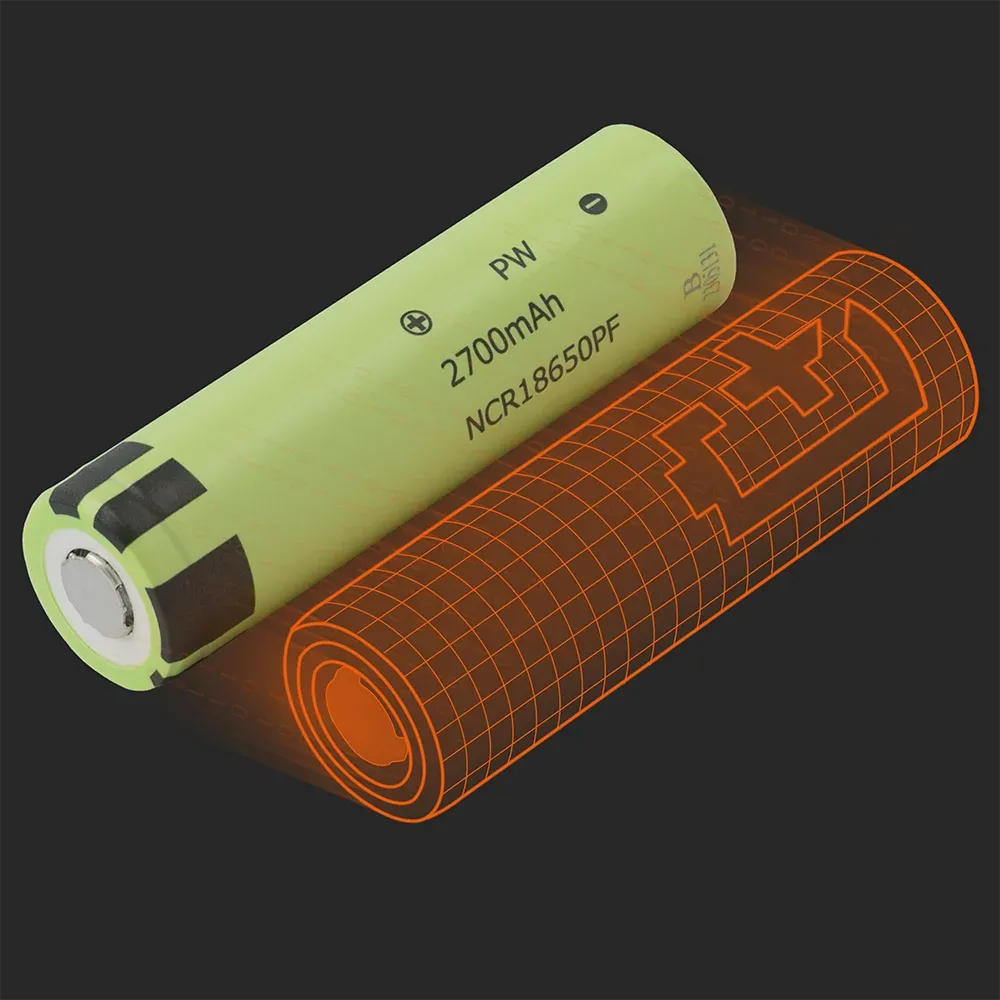
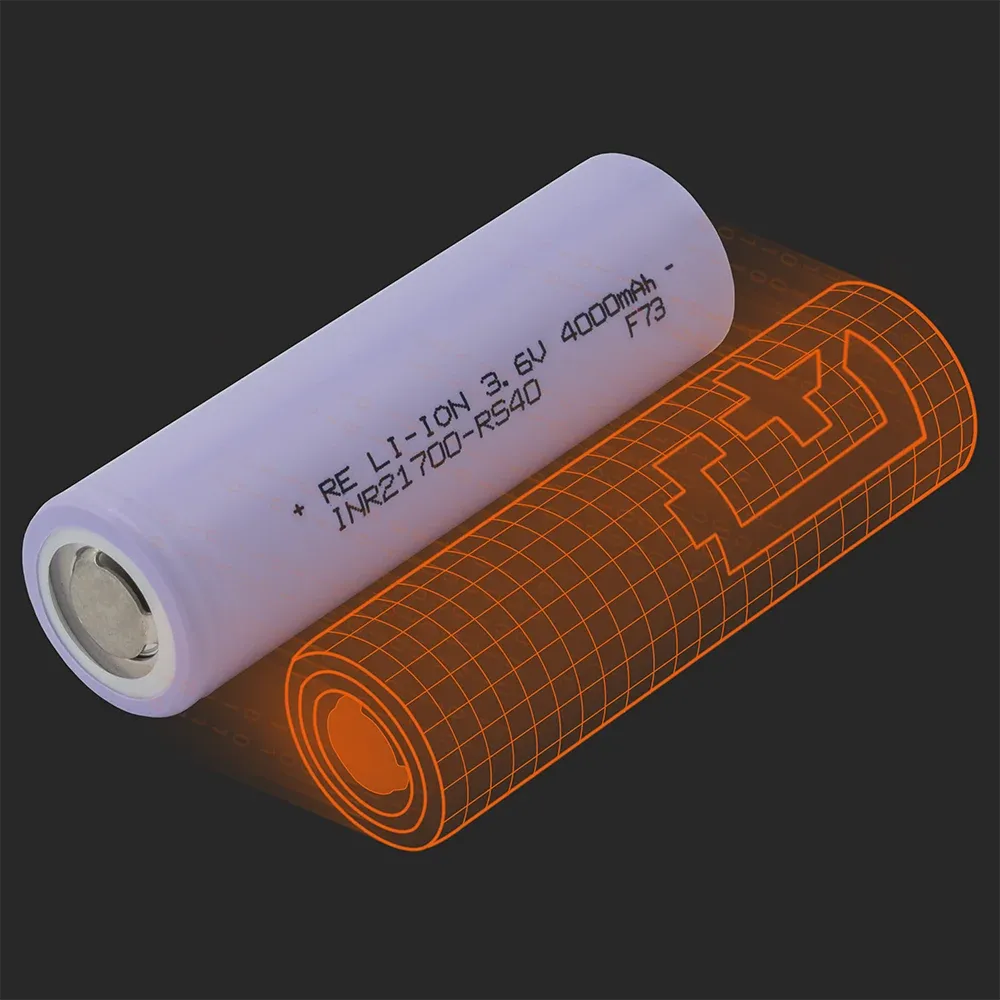
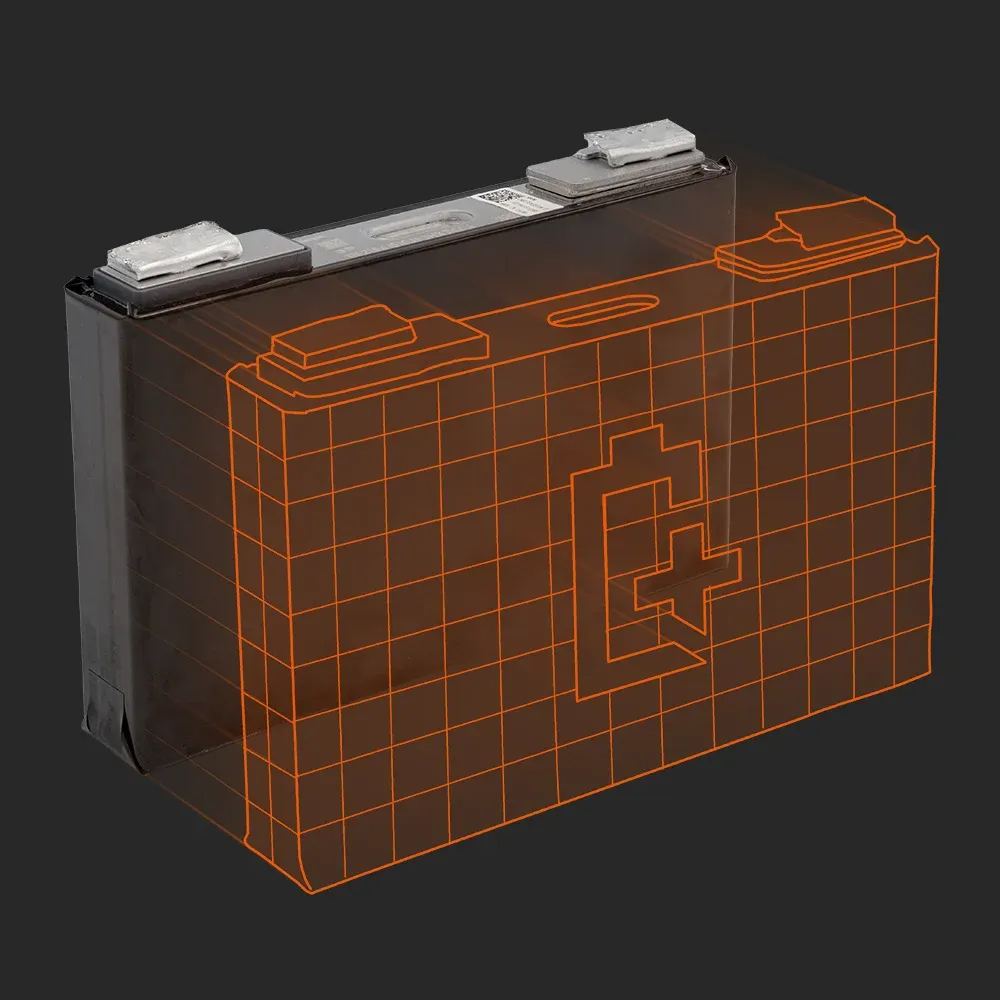
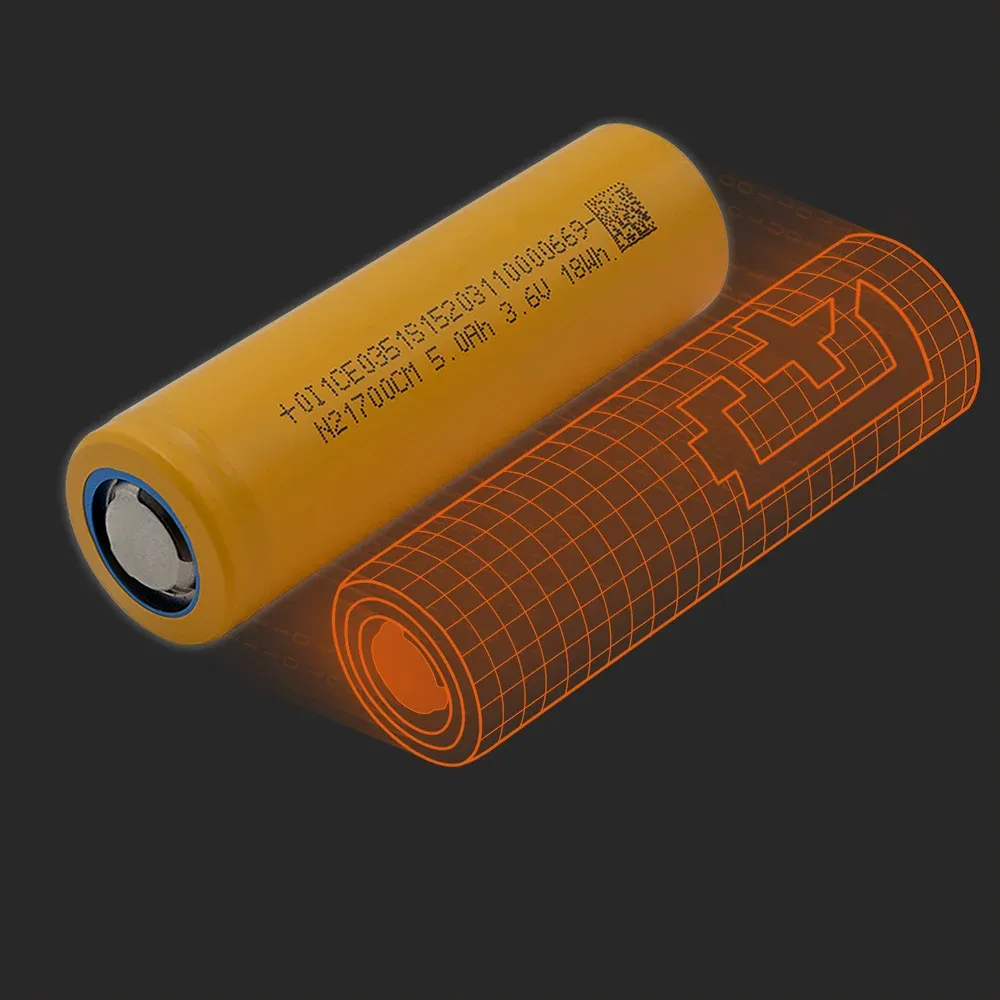
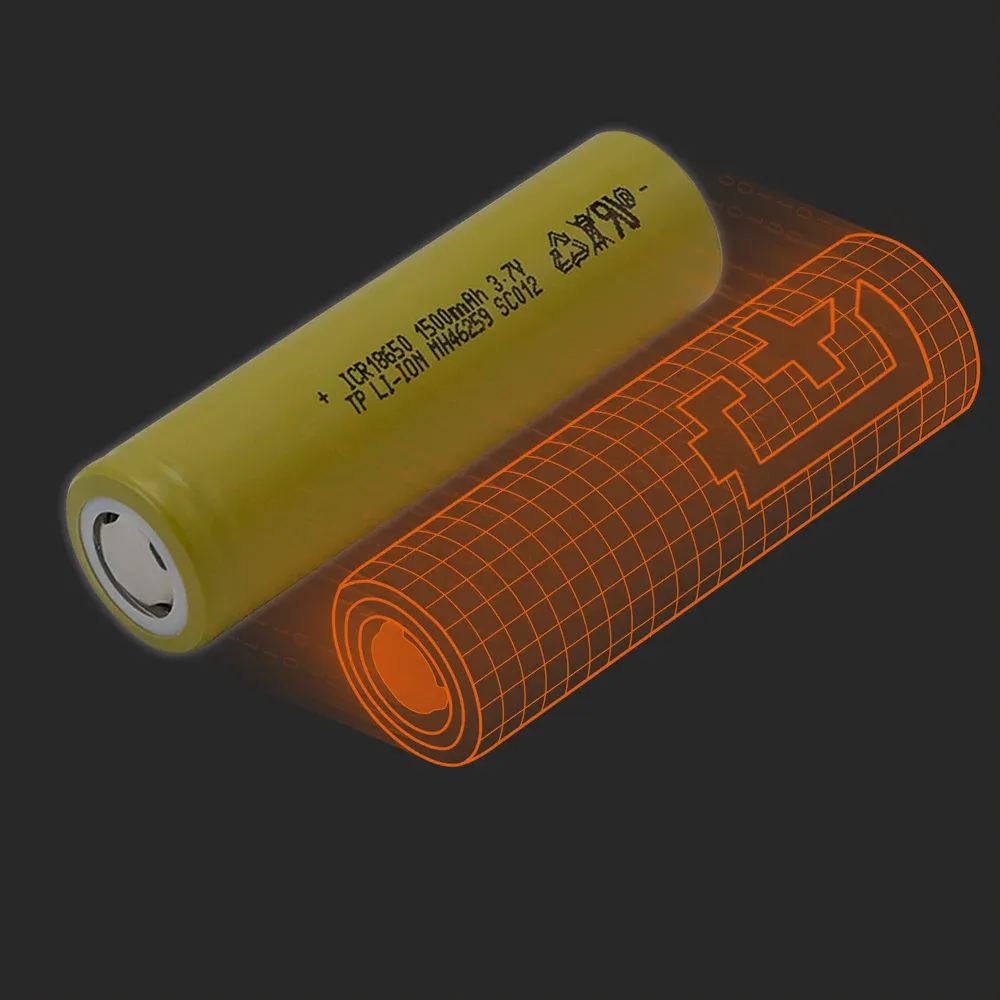
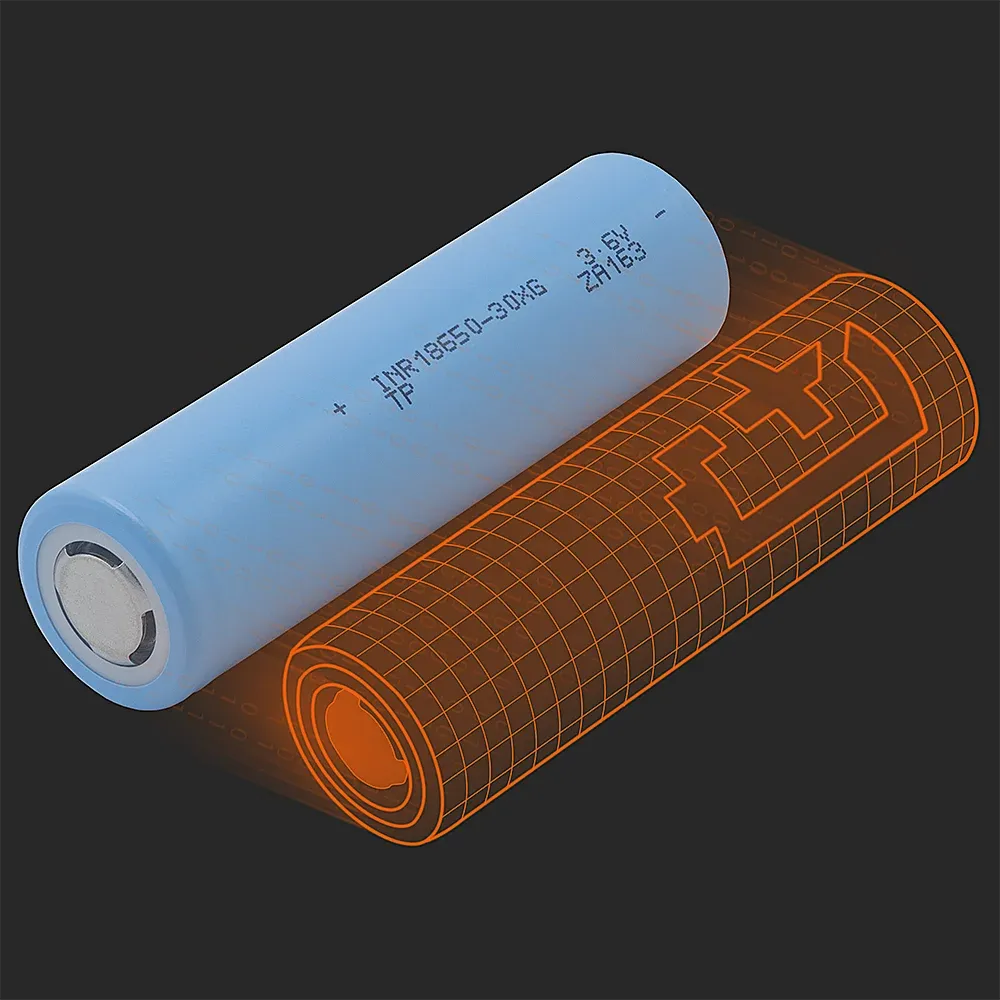
Batemo Cell Model Library or a custom Batemo Cell Model.
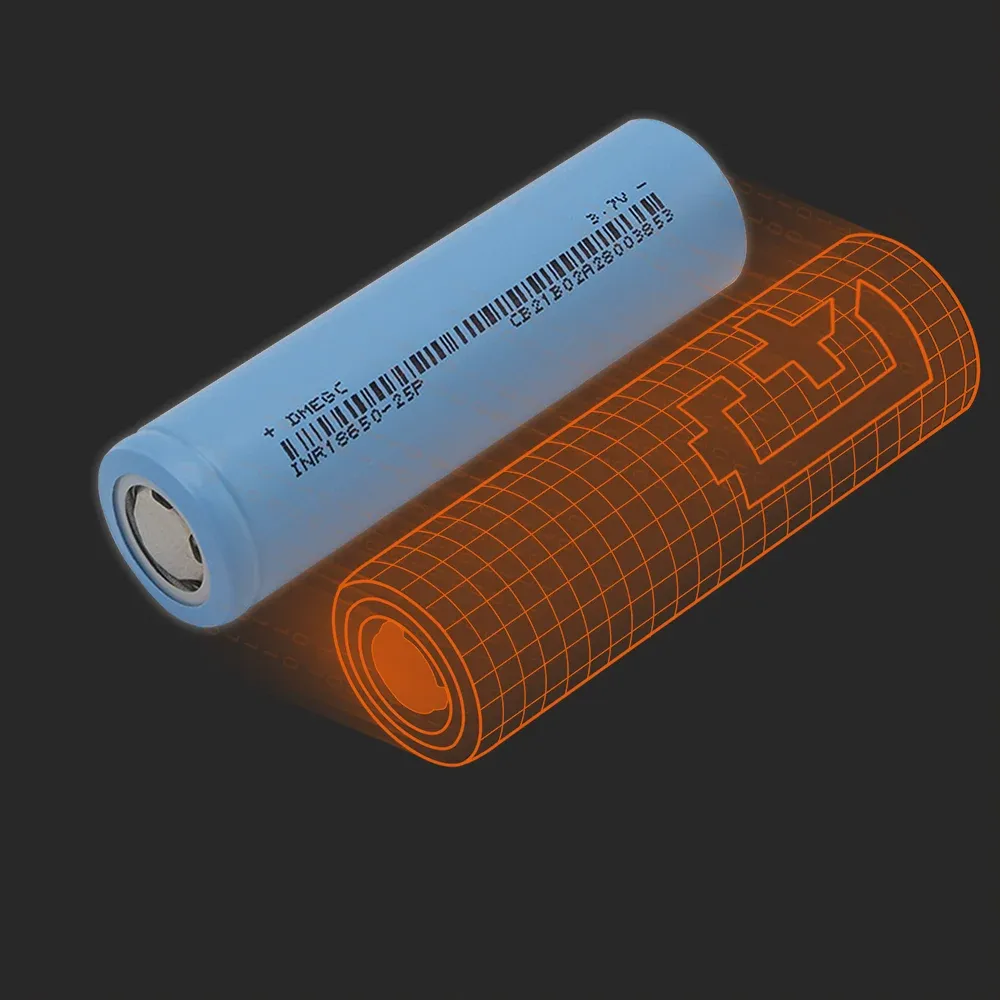
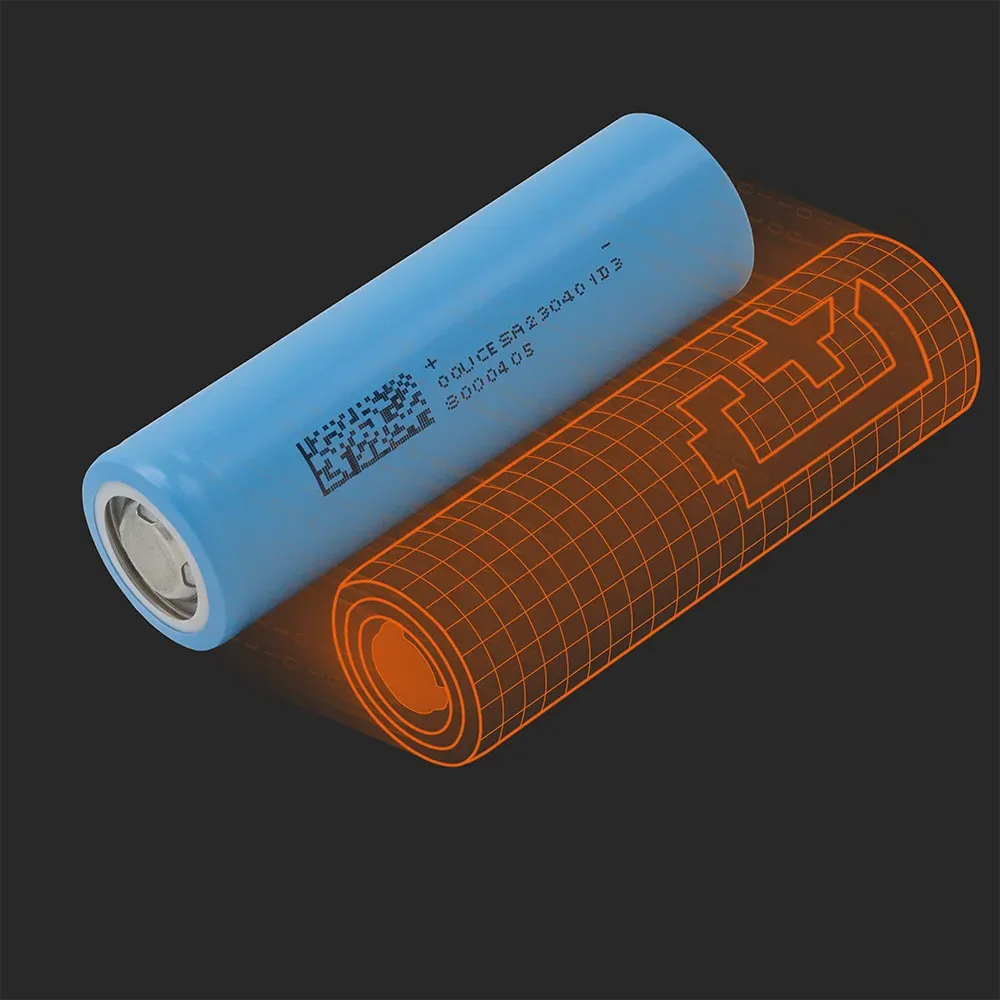
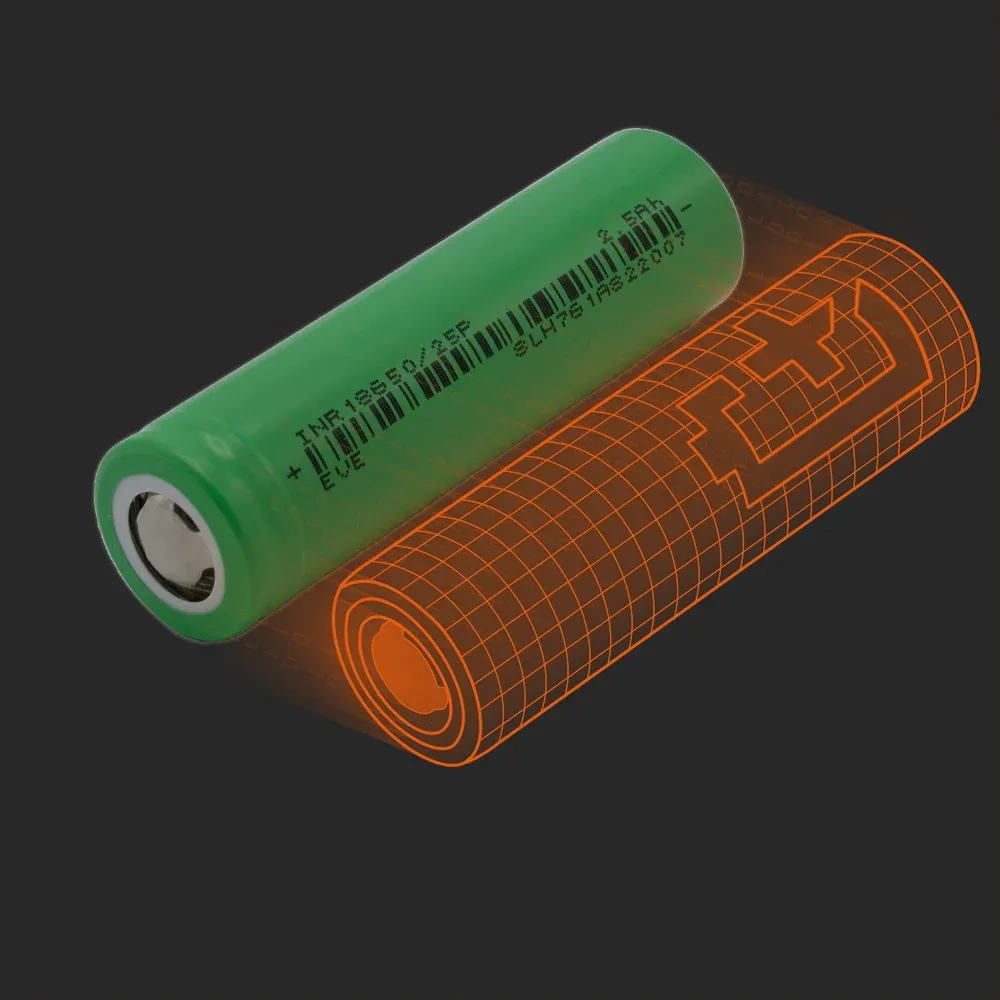
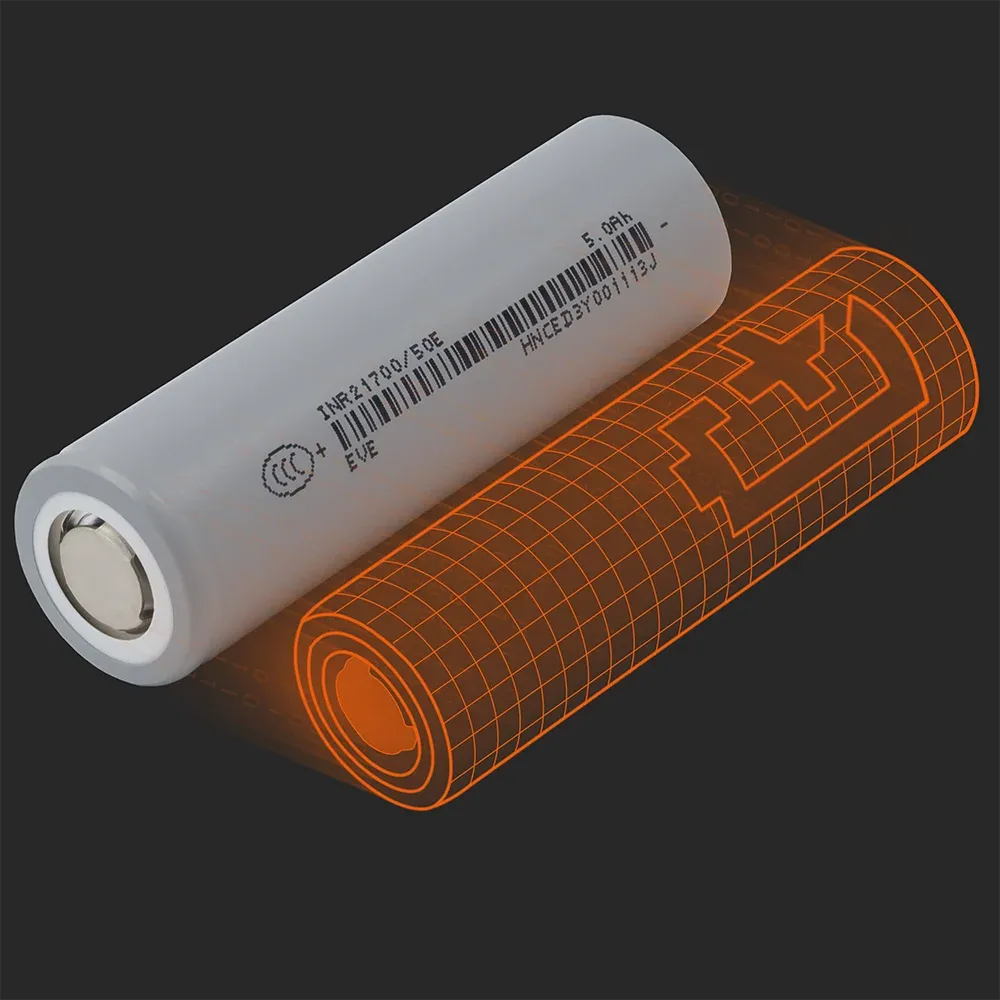
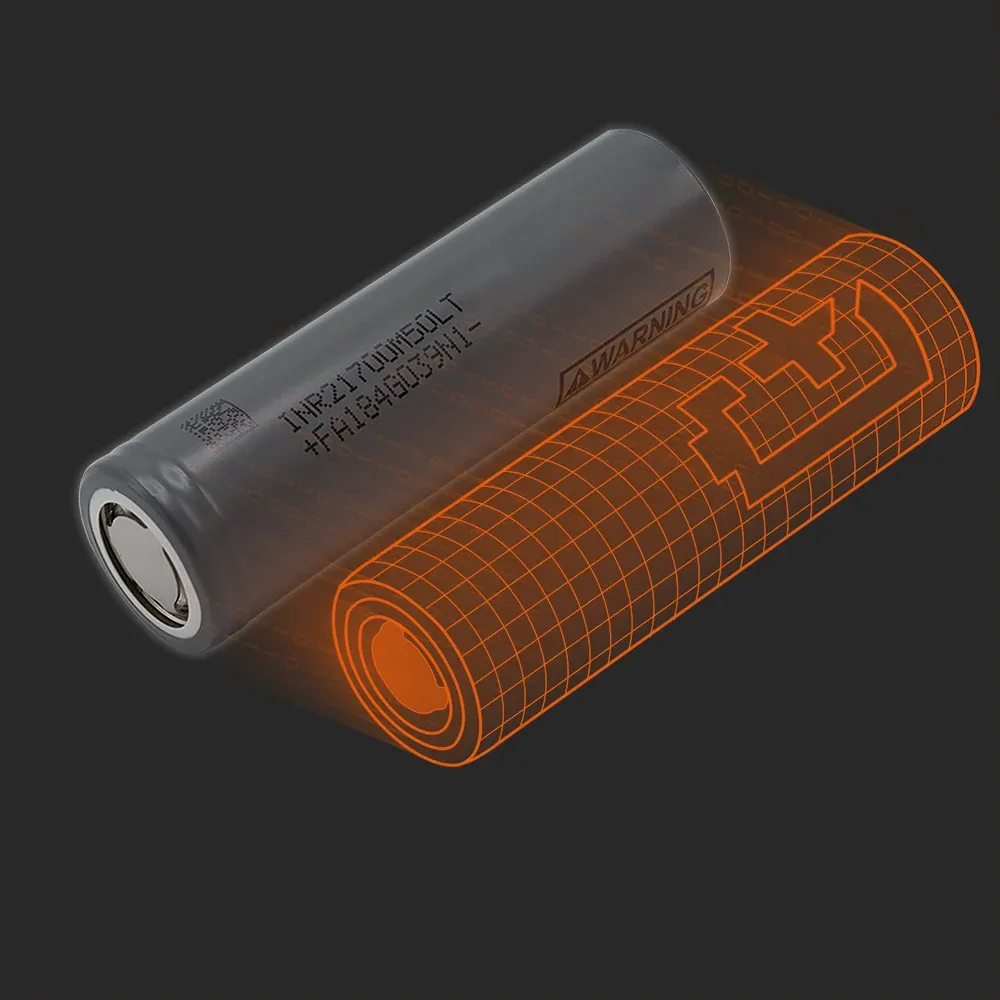
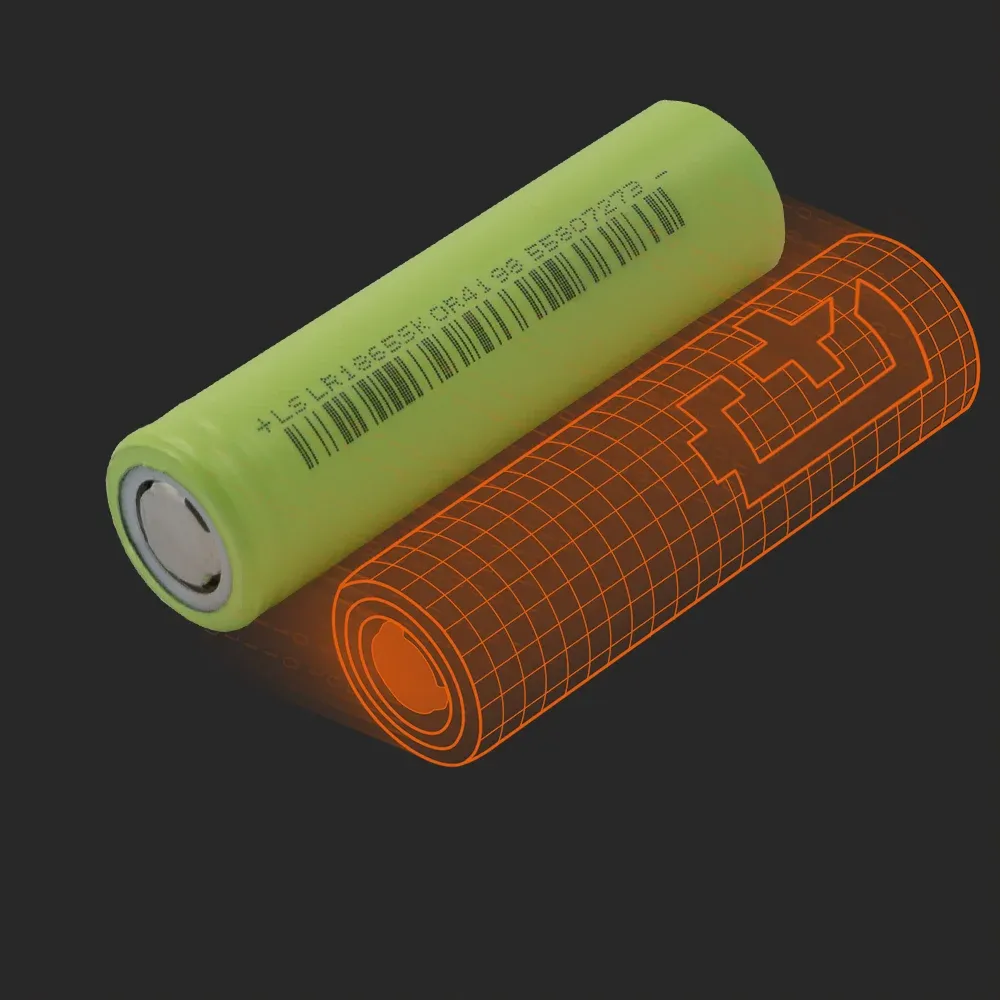
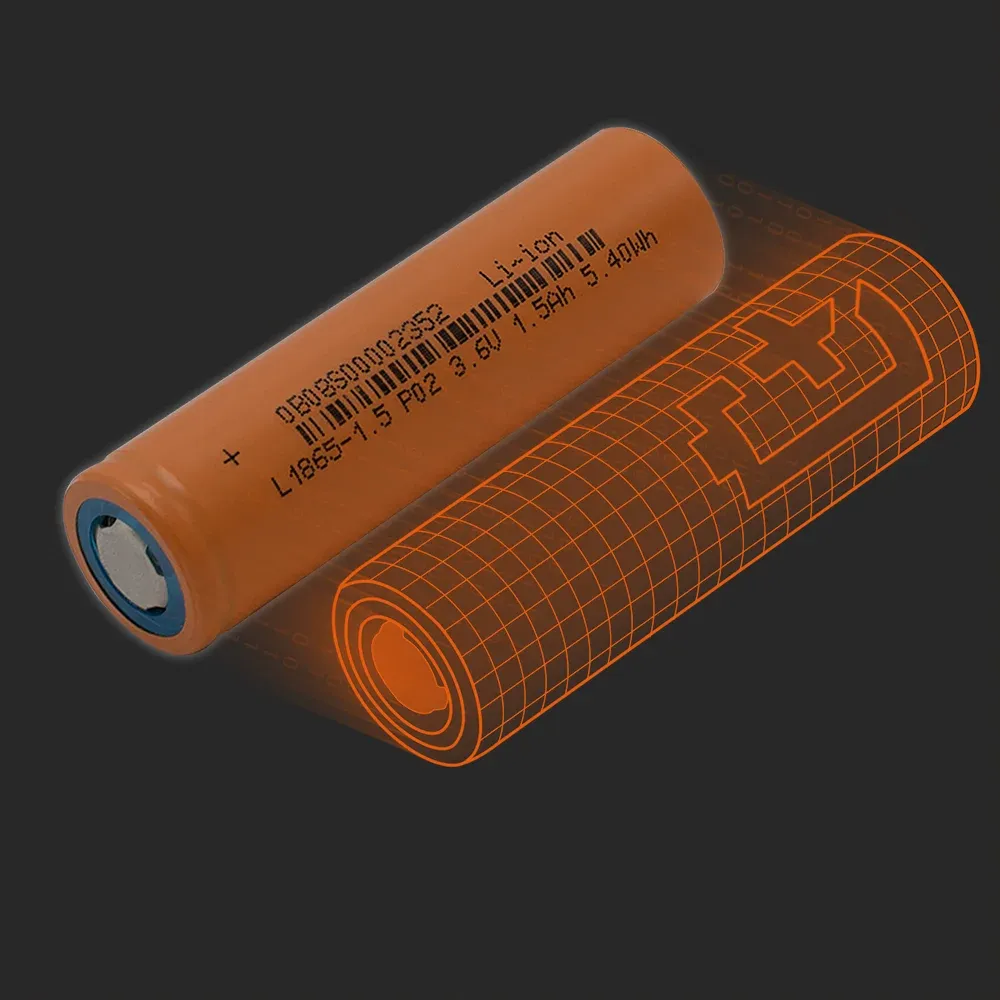
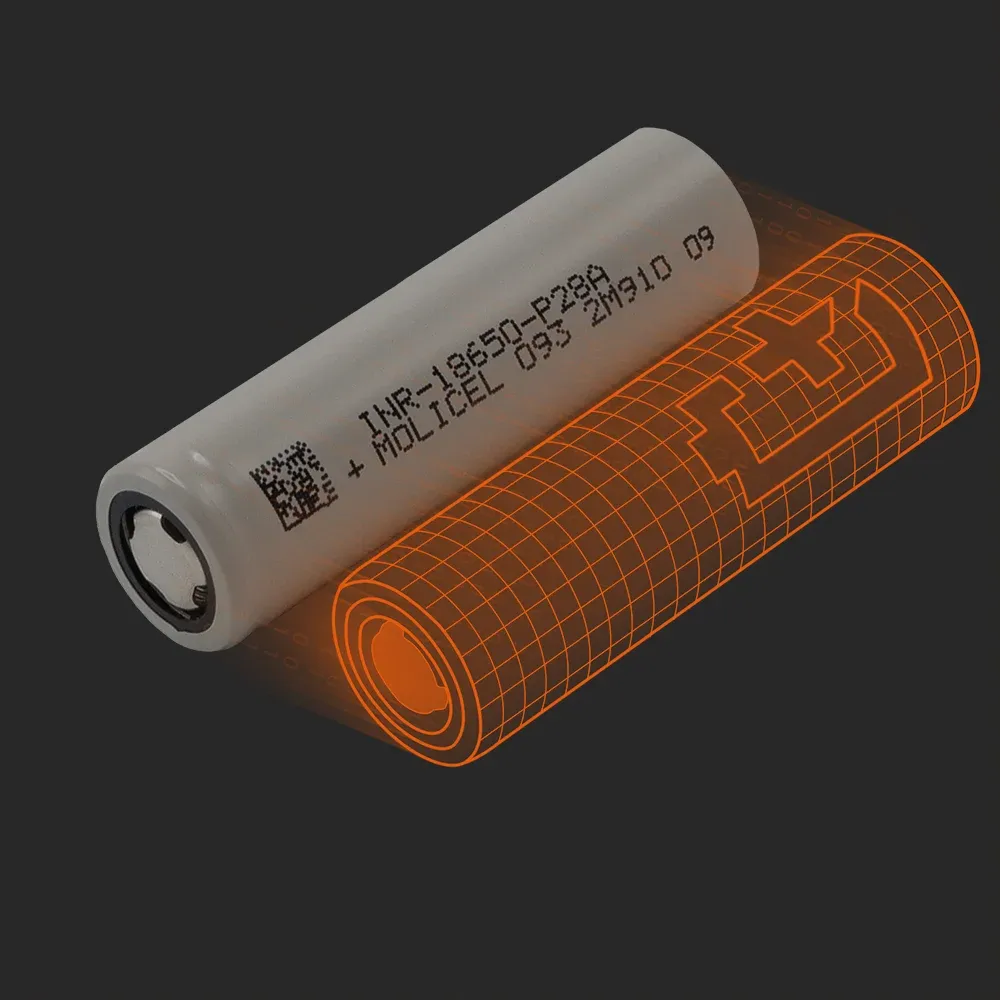
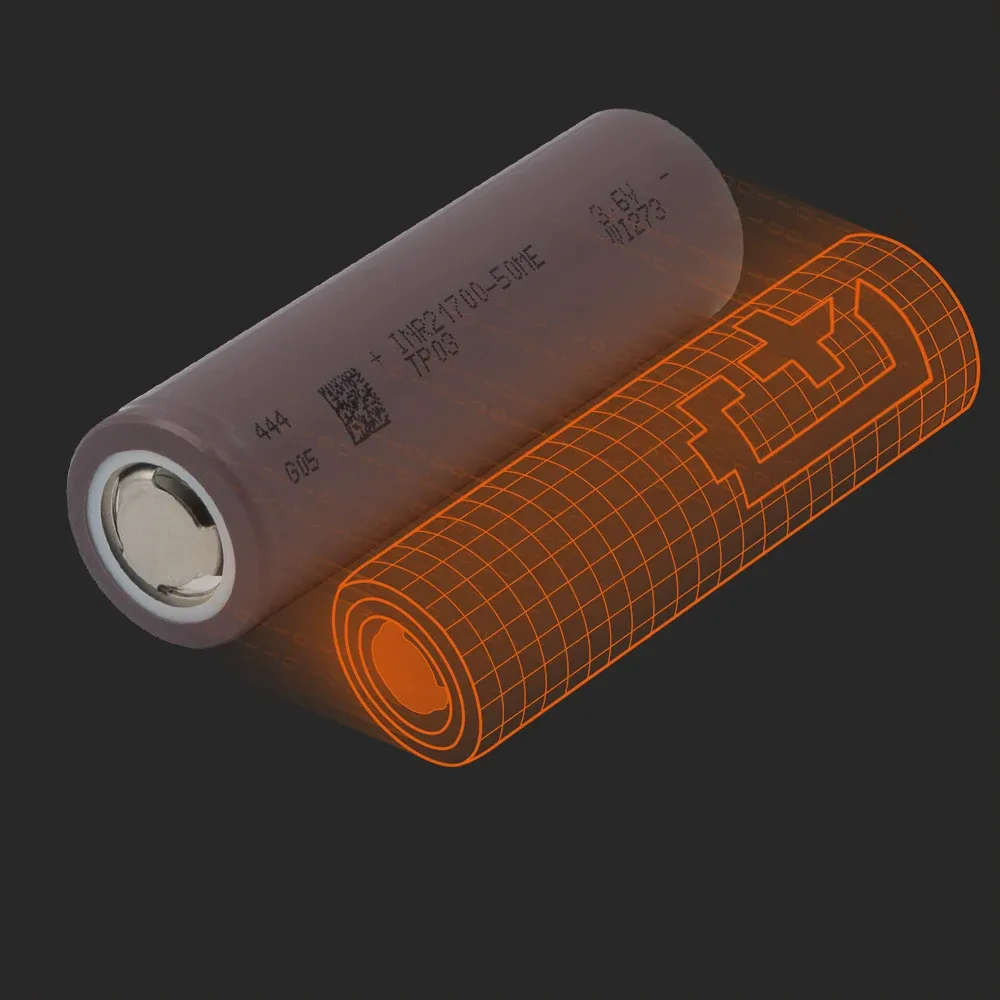
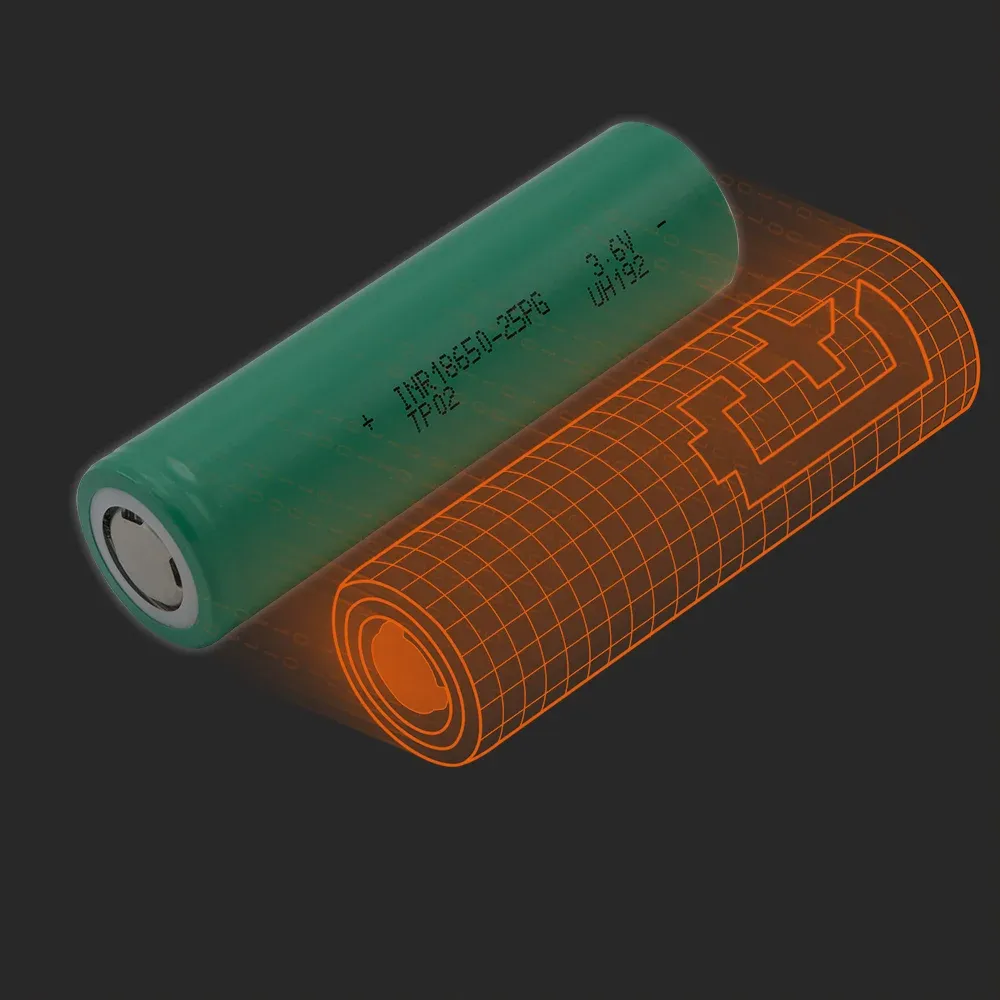
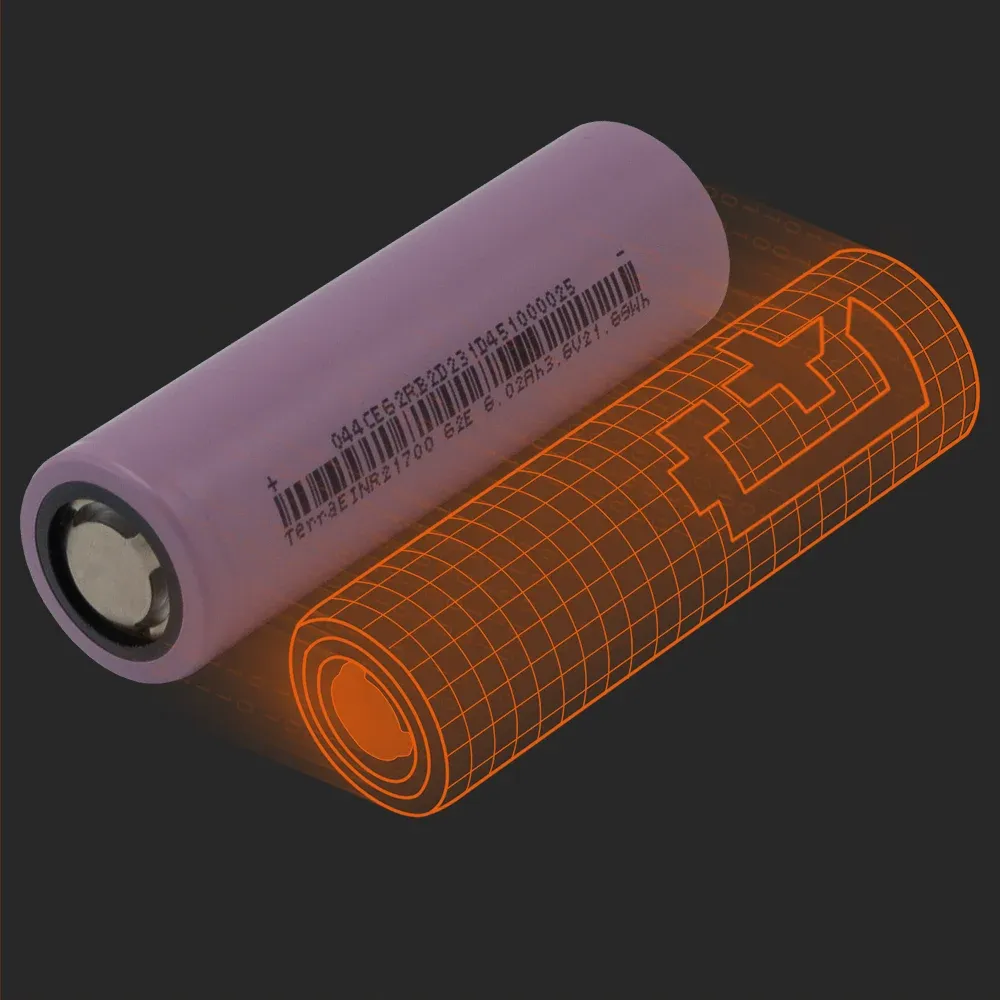
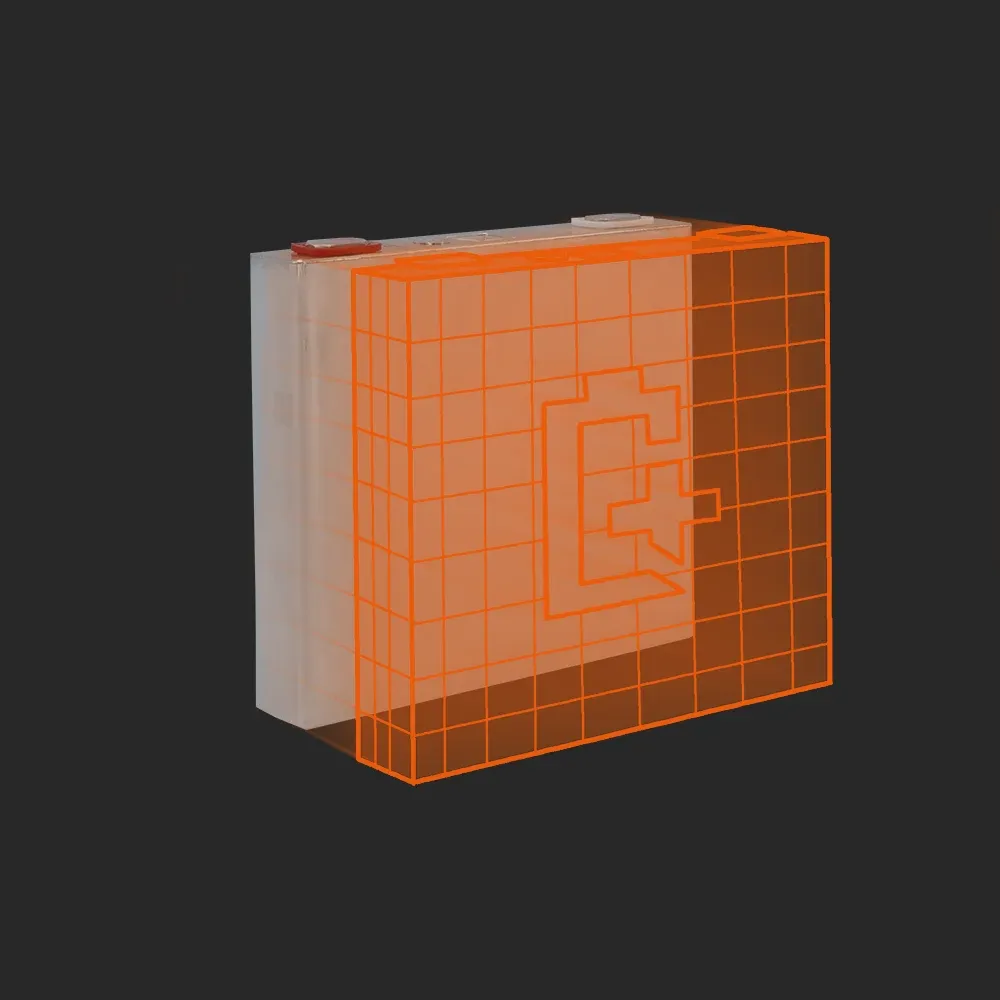
The Batemo Cell Model comes in two forms. You subscribe to the library and get immediate access to many battery cells. Or Batemo creates a model of your own cell, exclusively for you.
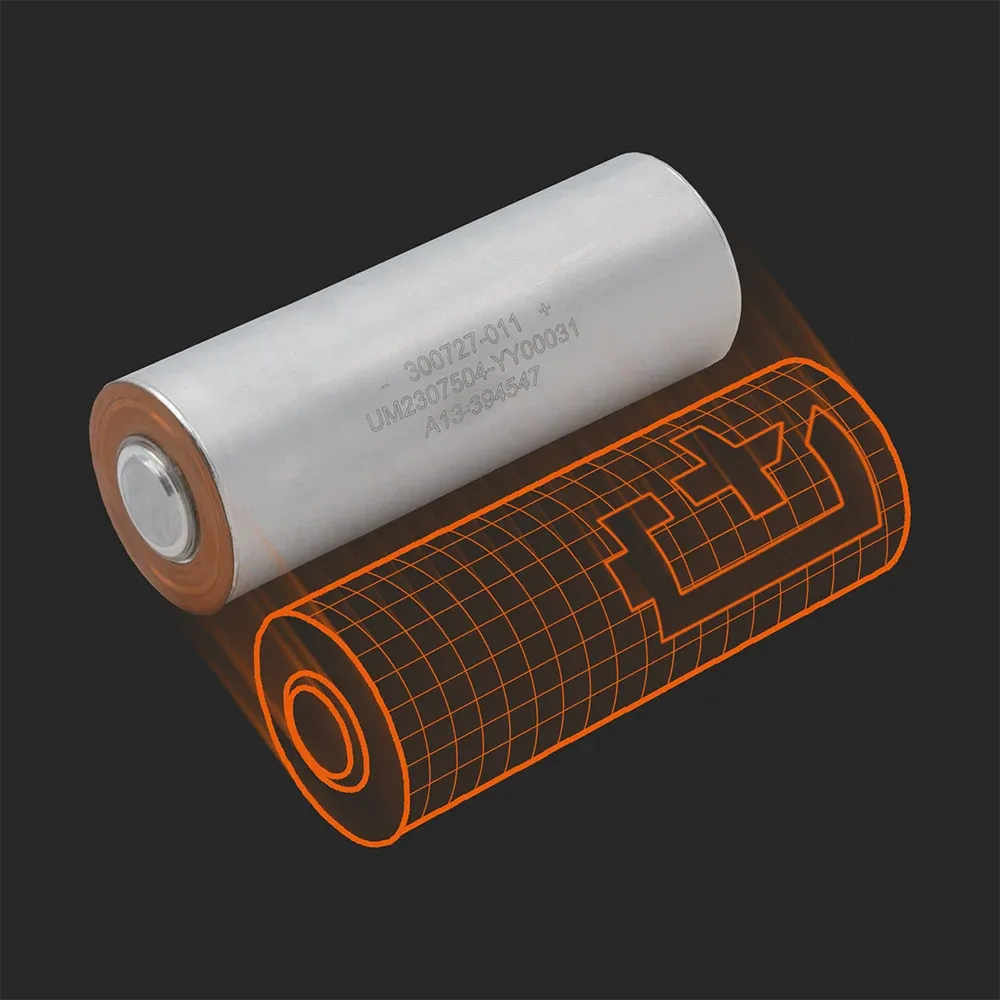
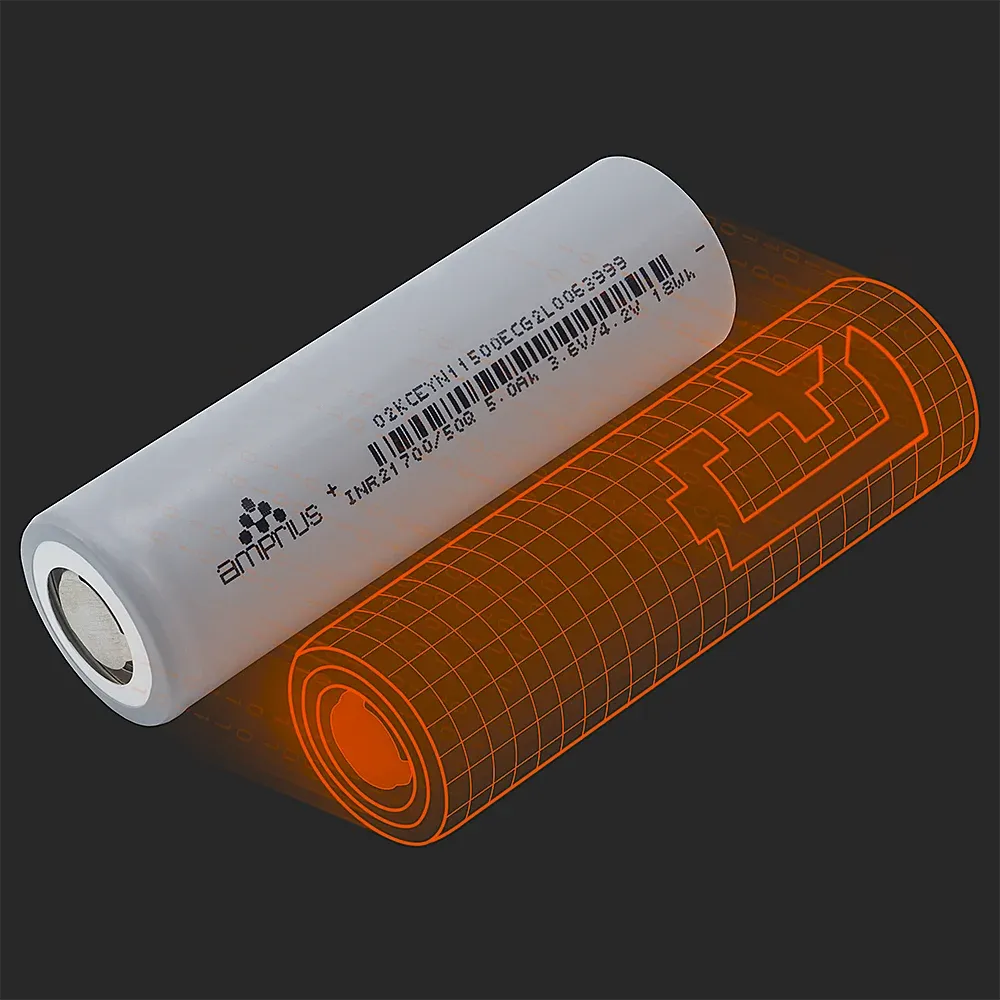
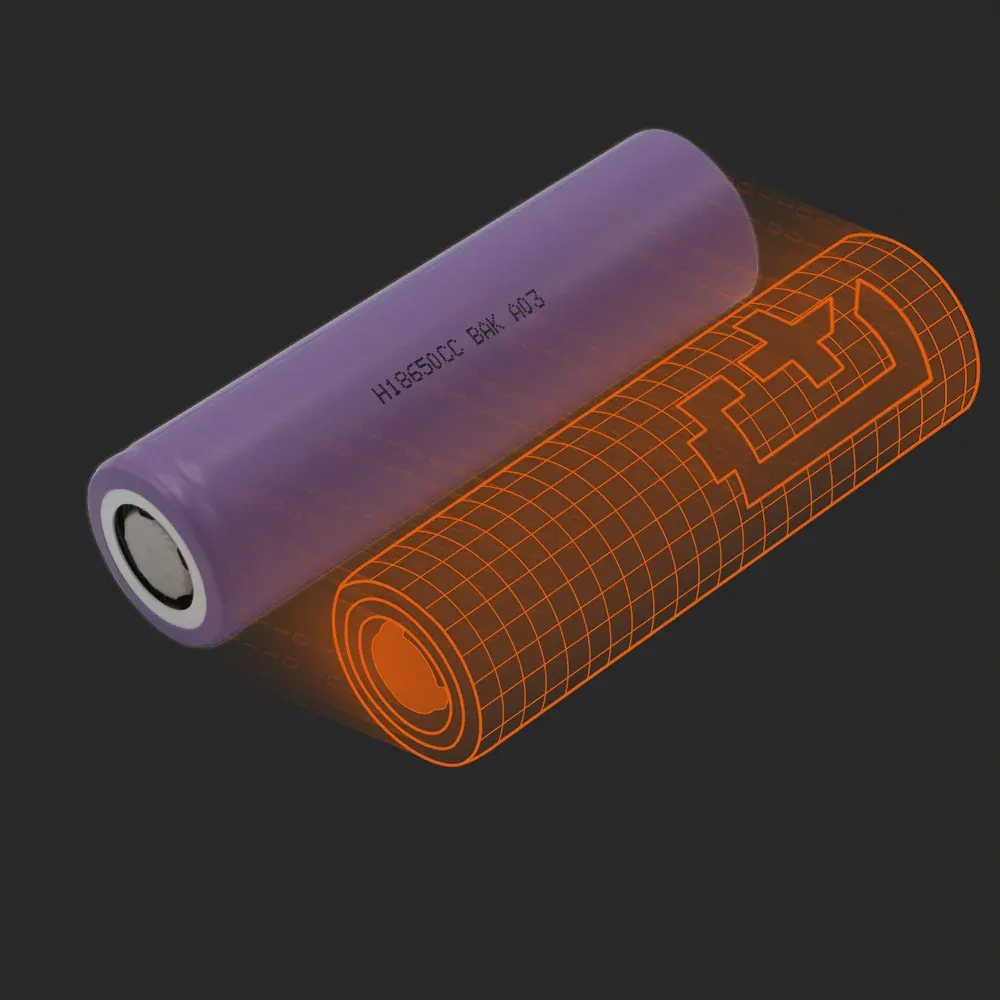
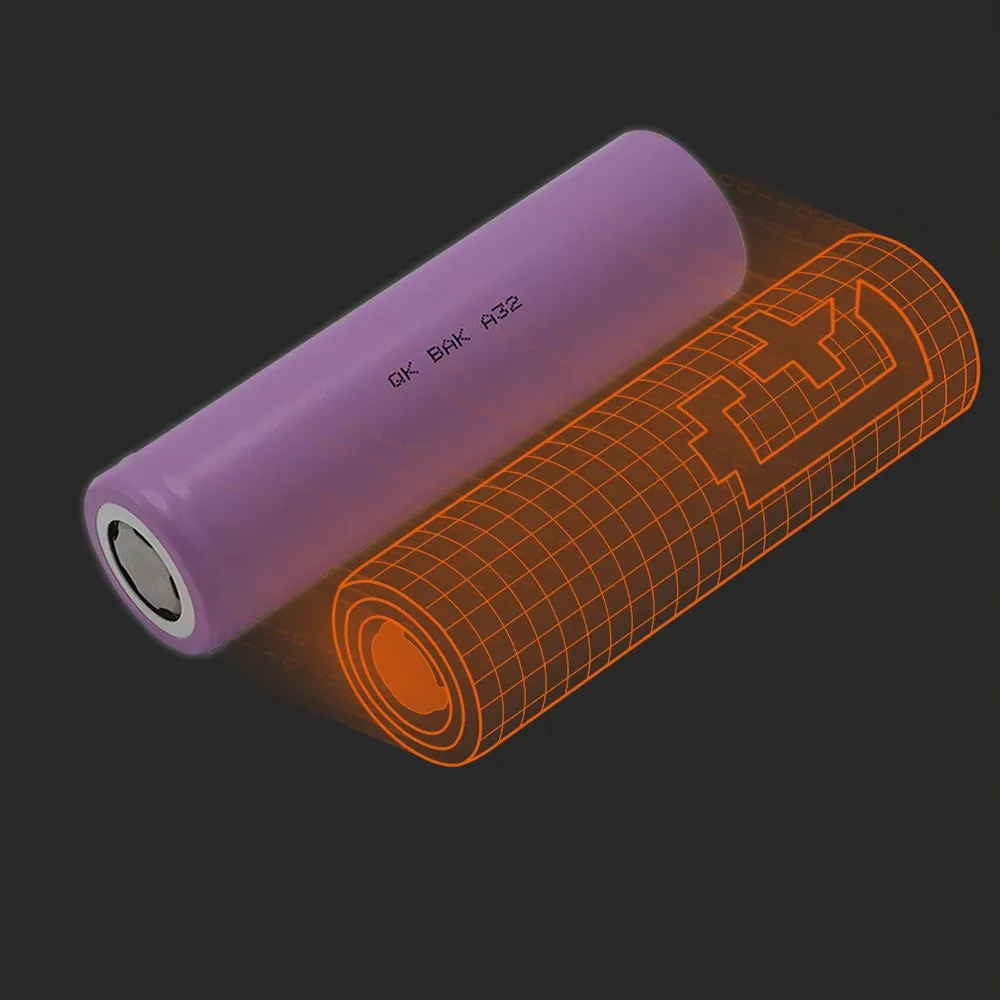
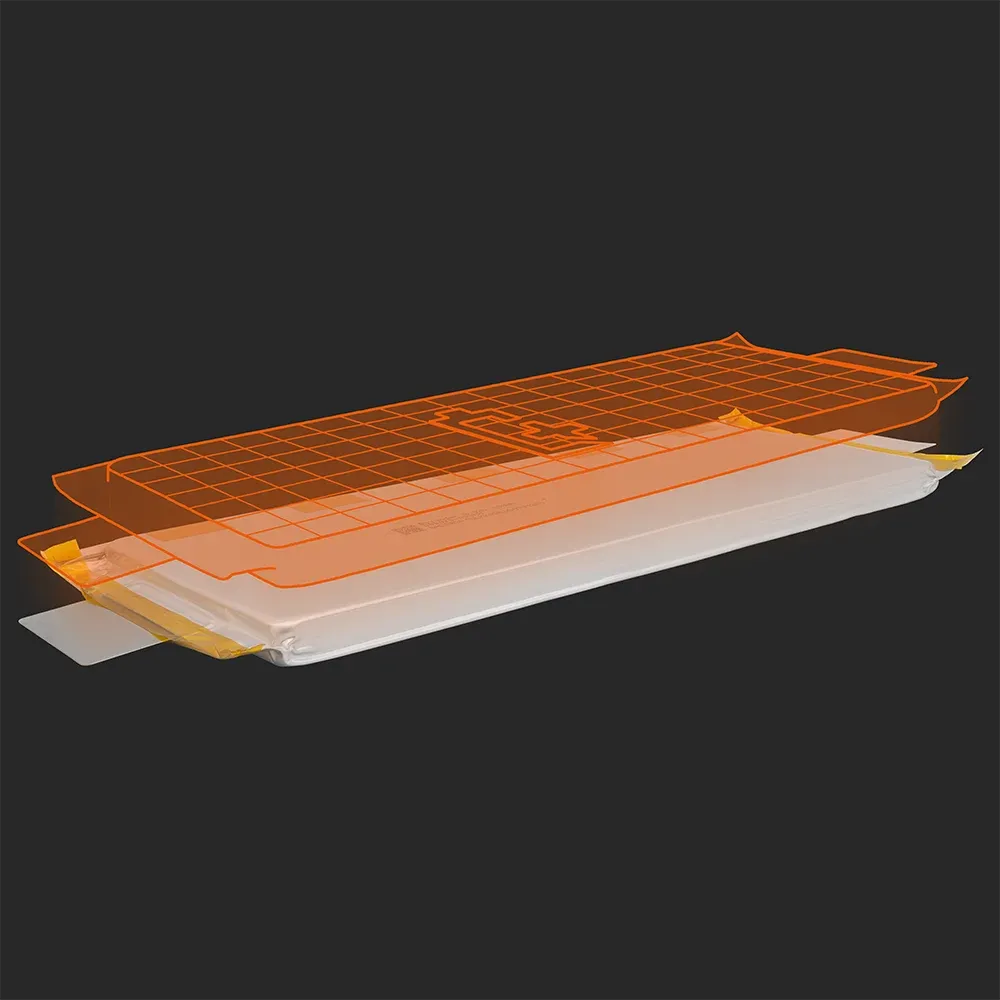
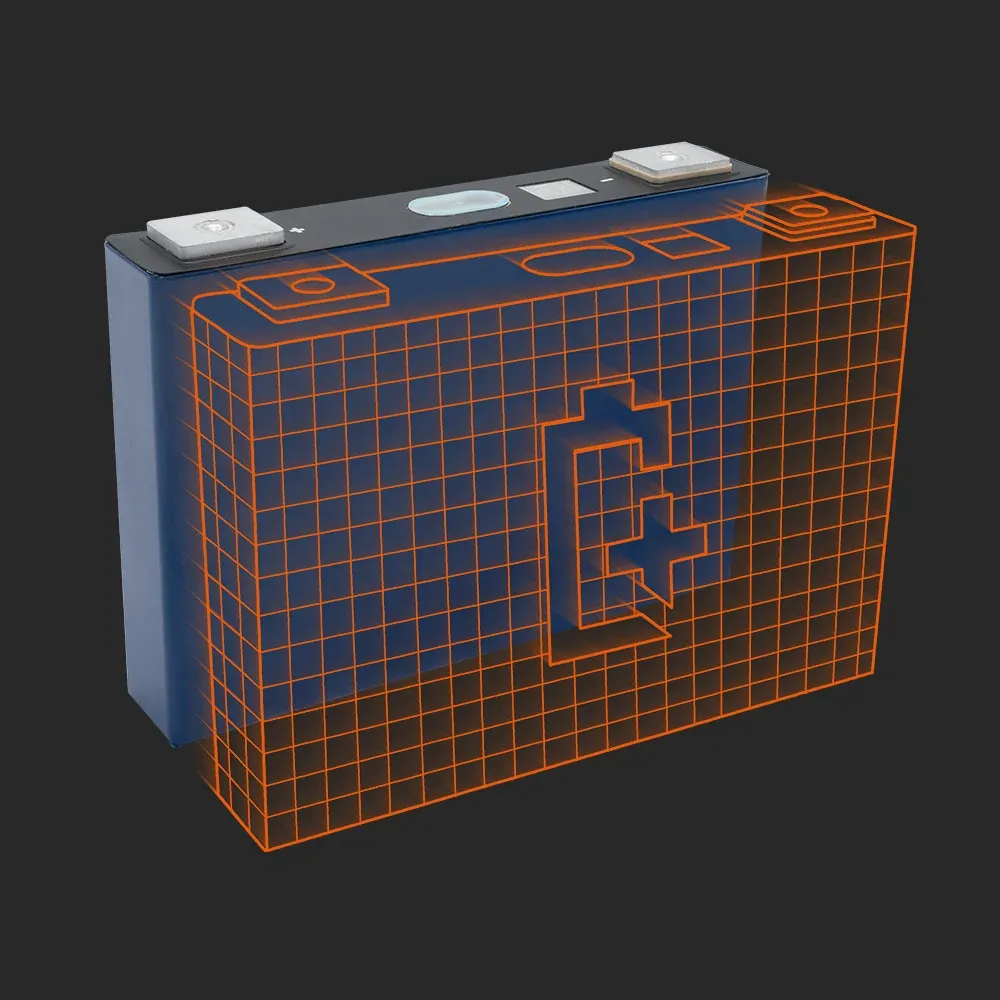

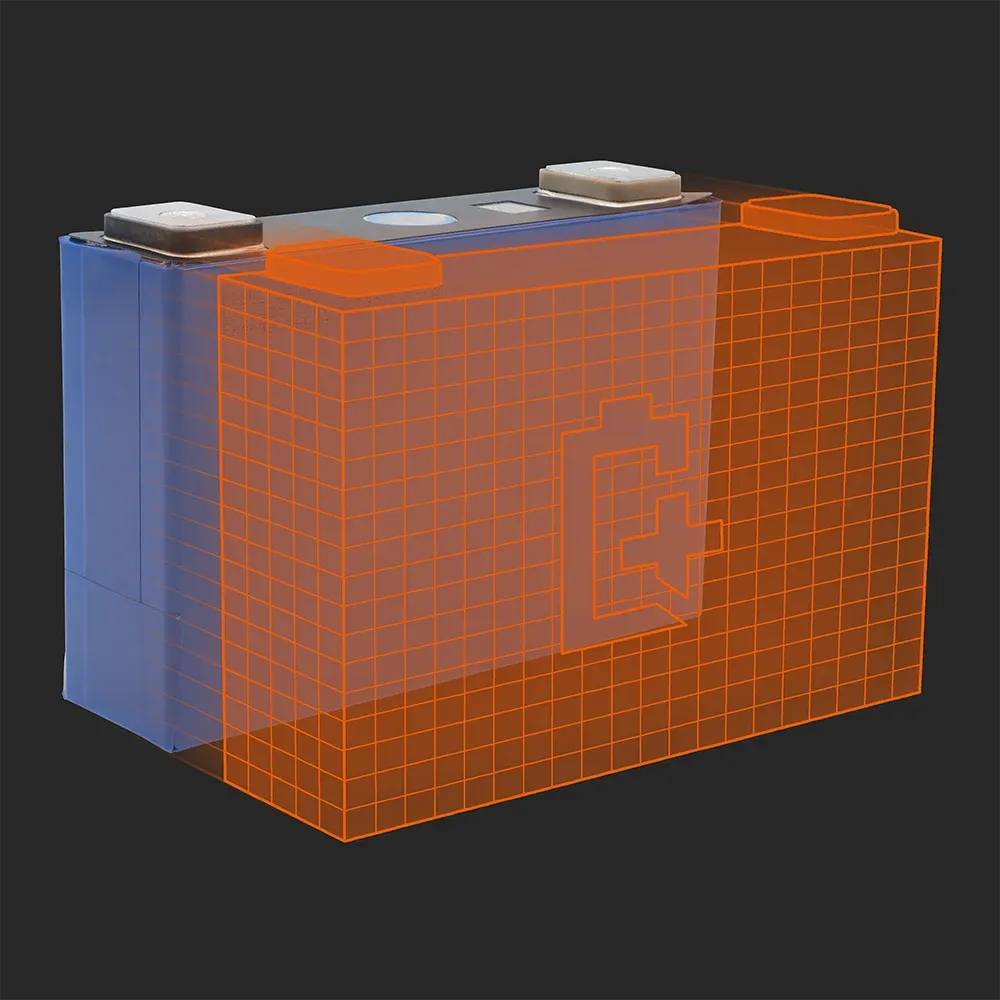
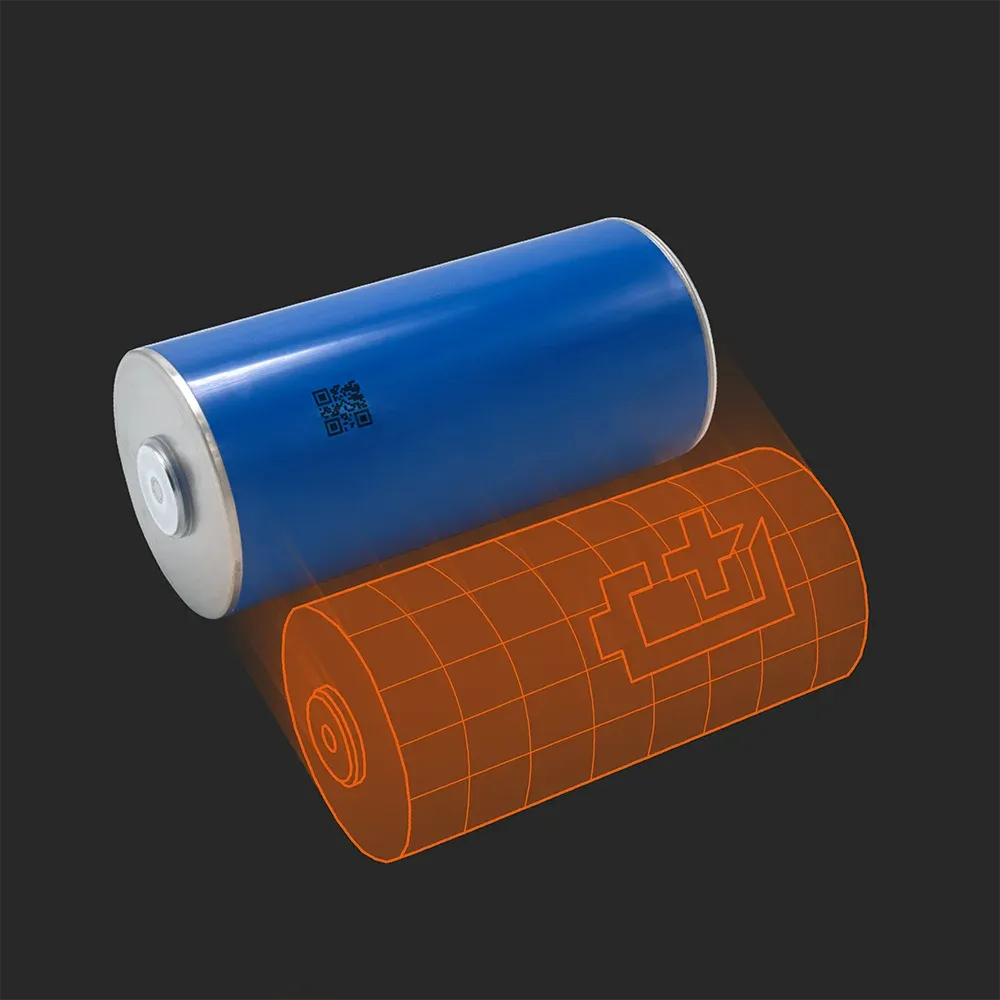
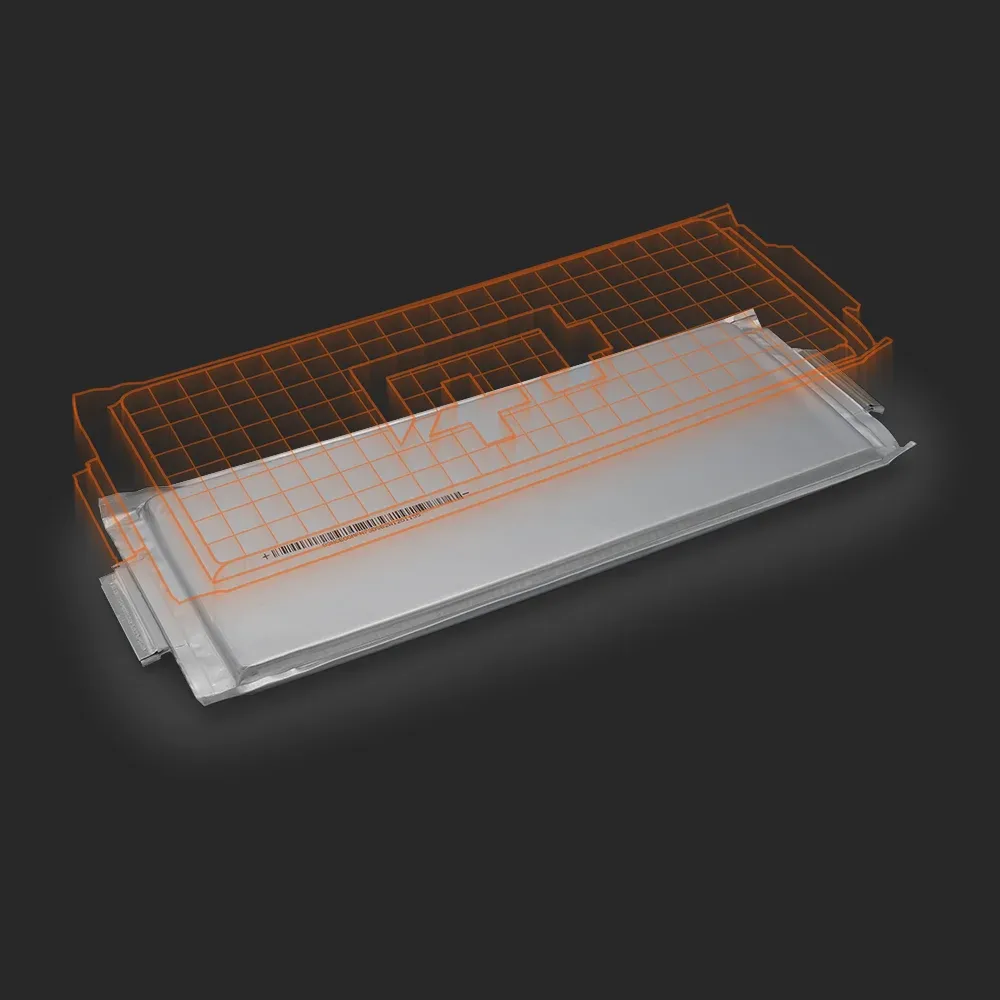
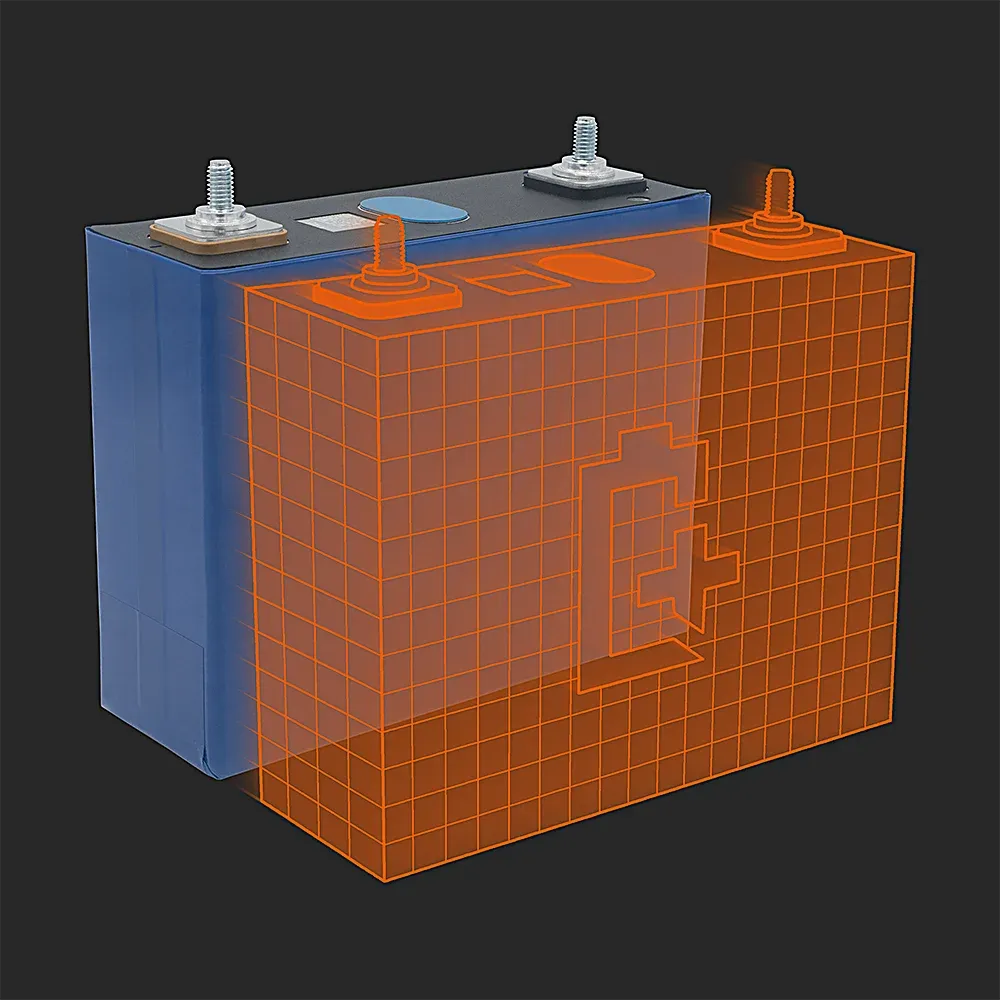
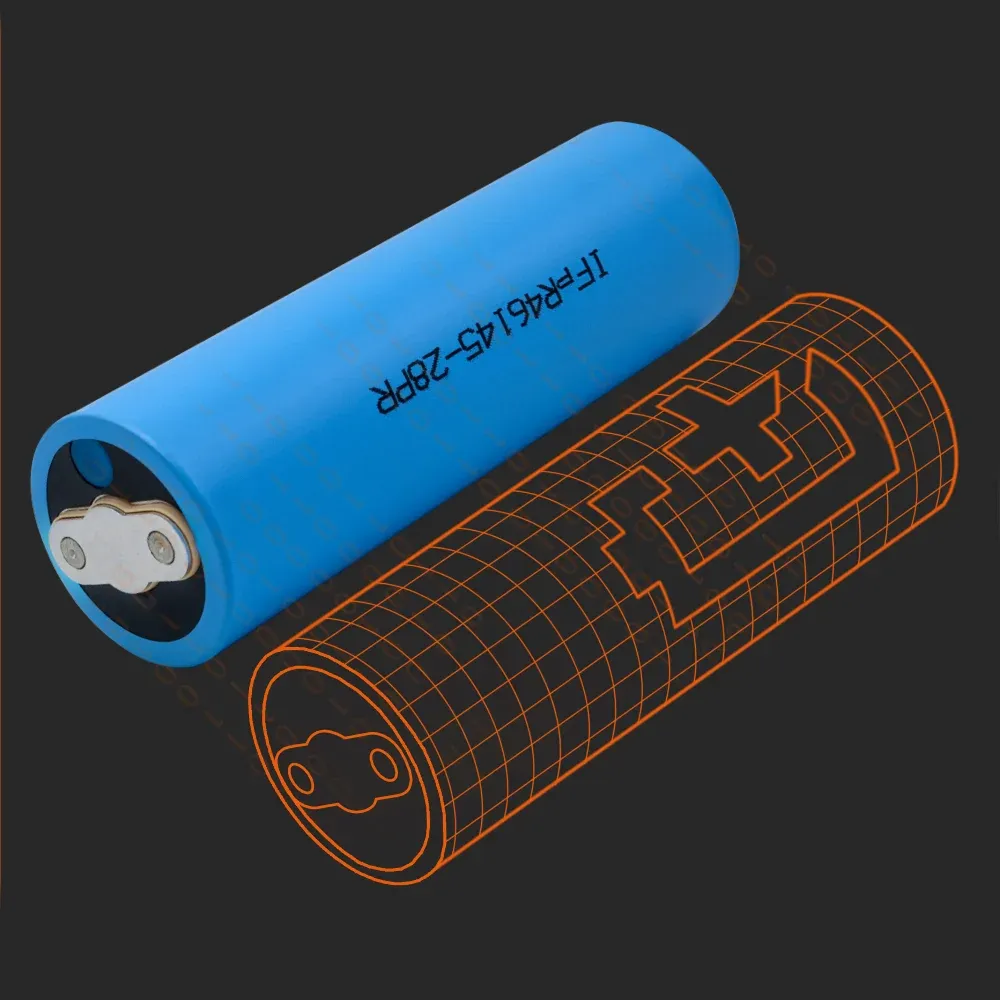
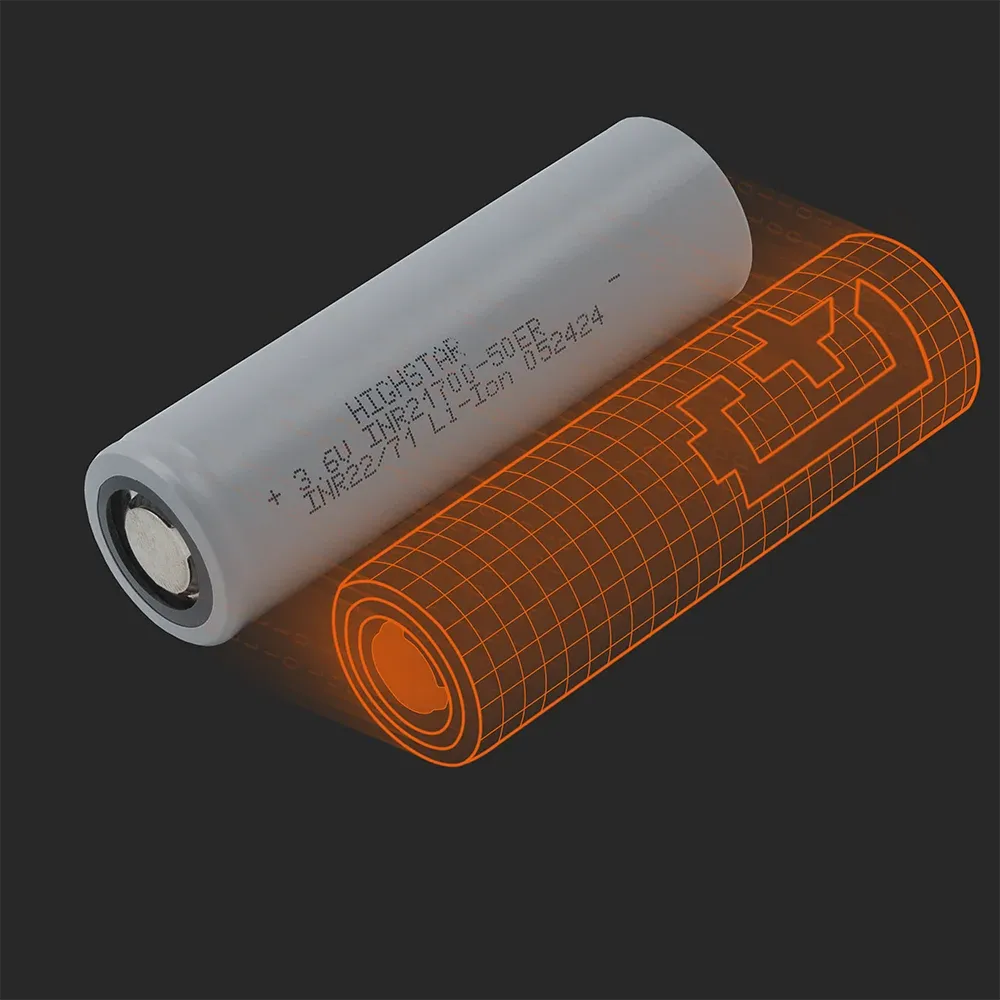
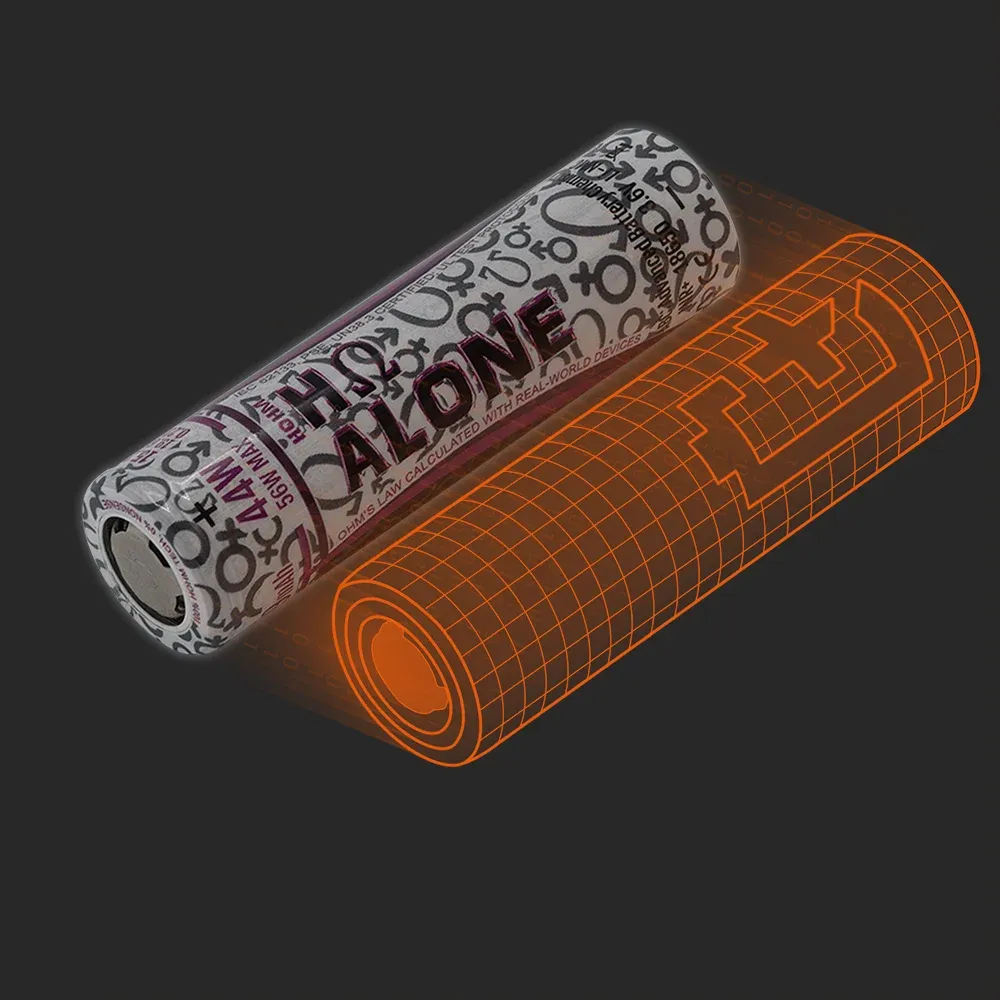
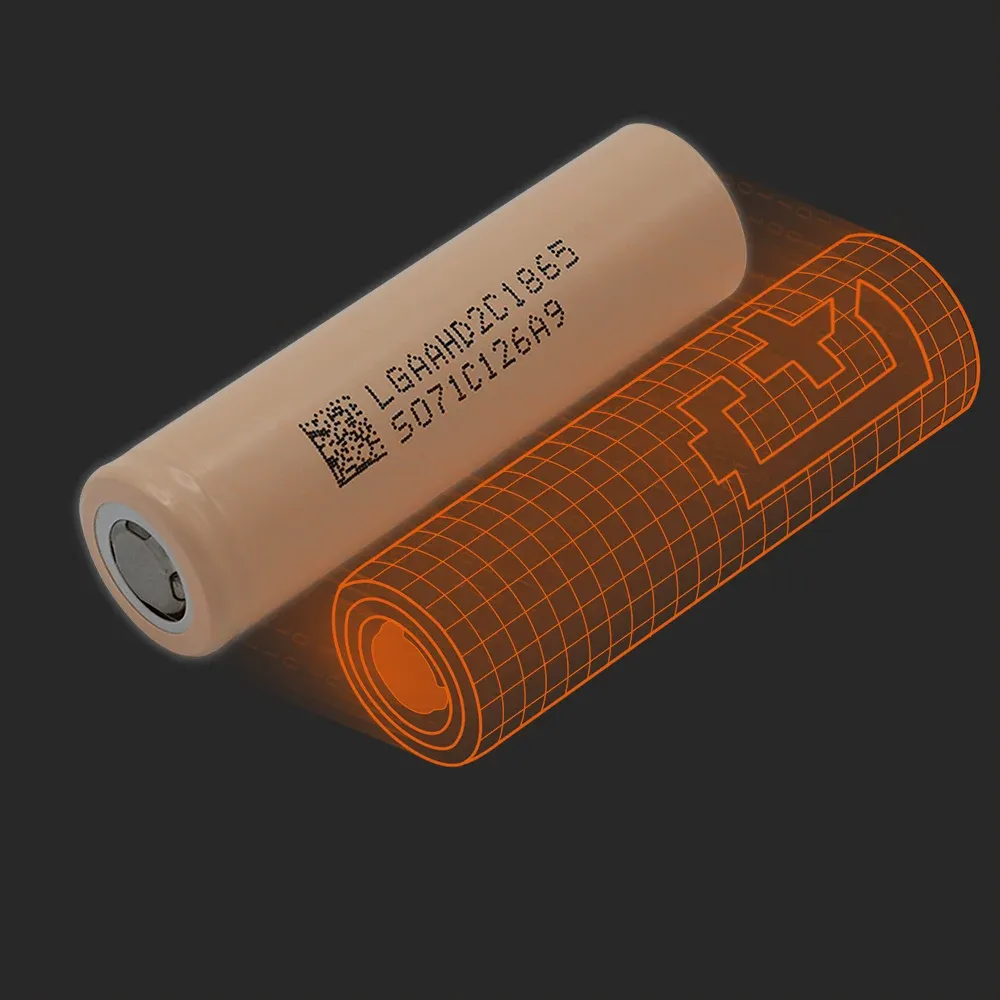
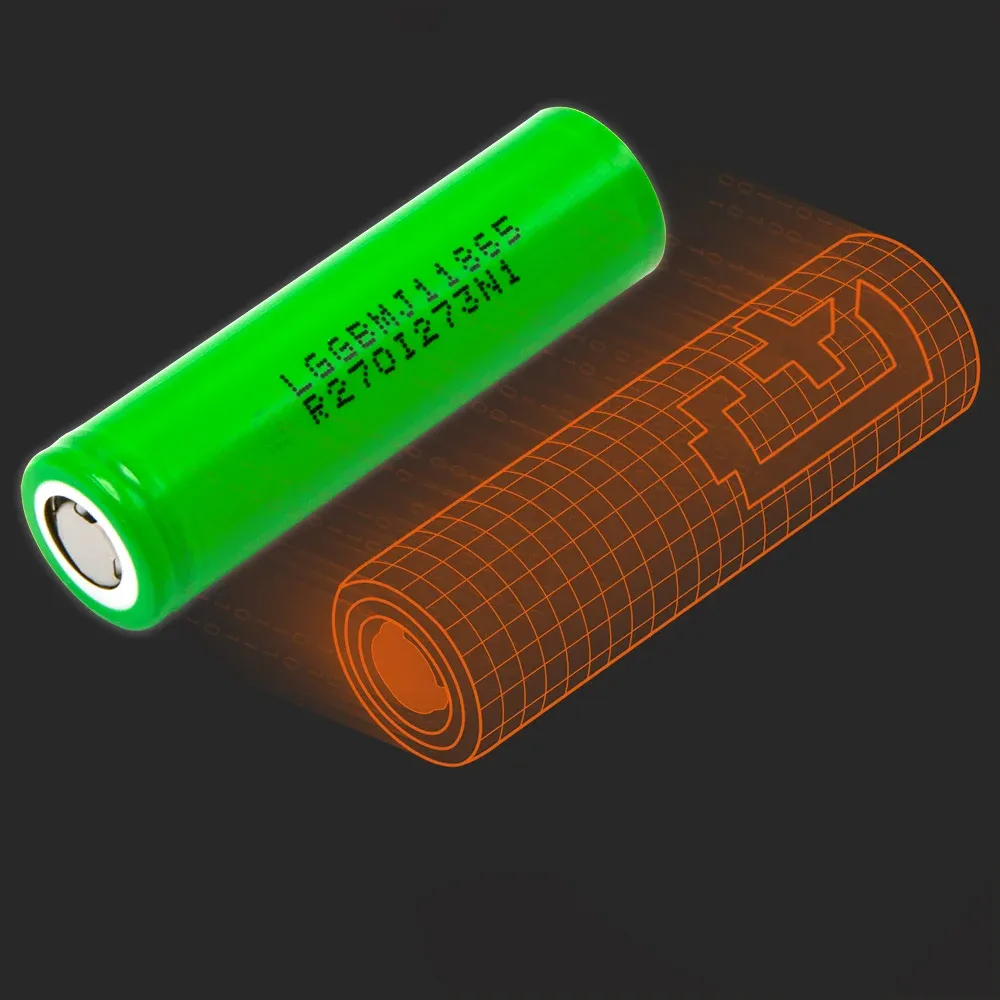
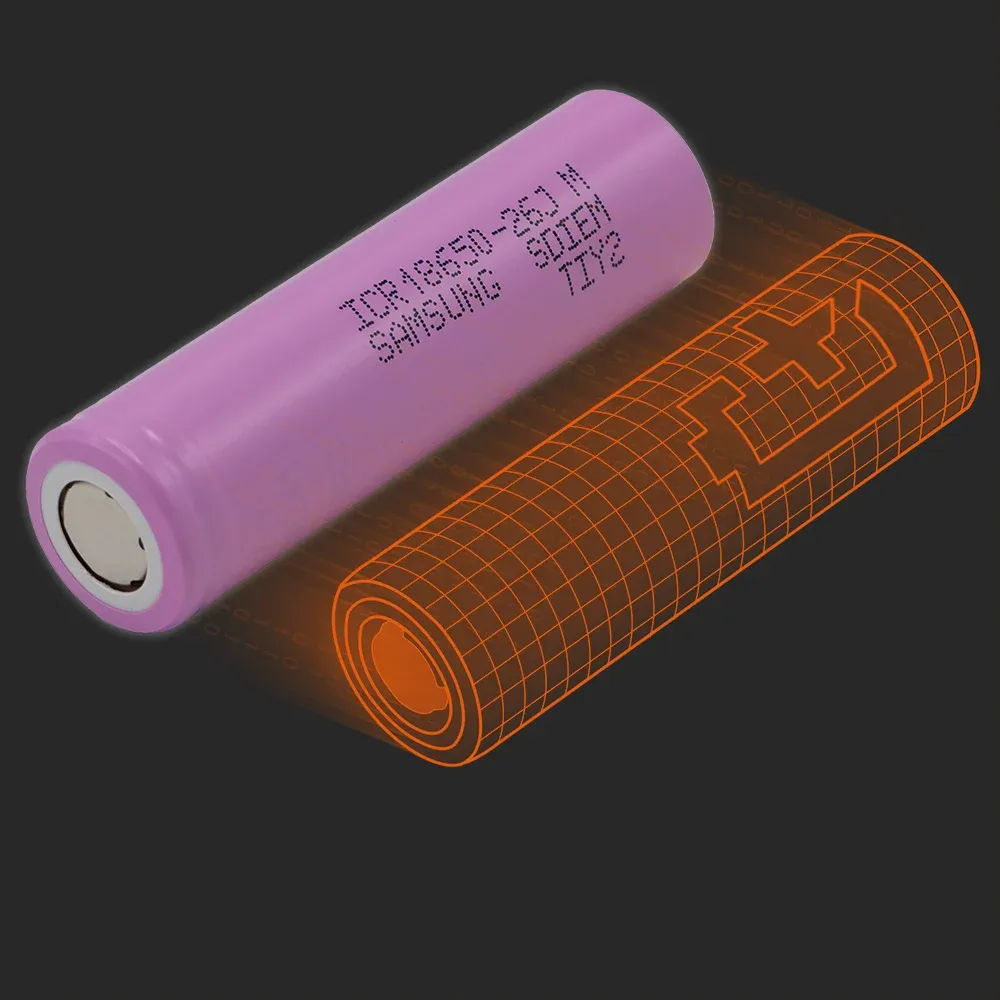
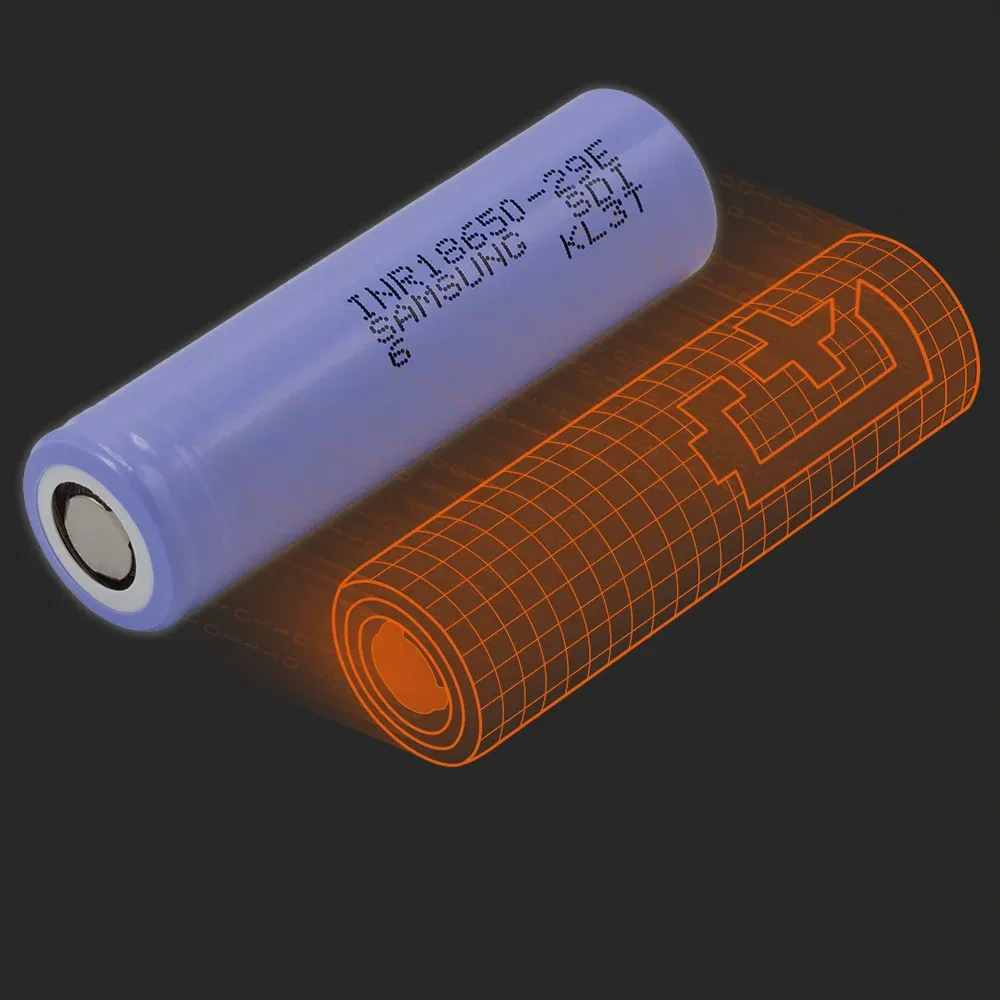
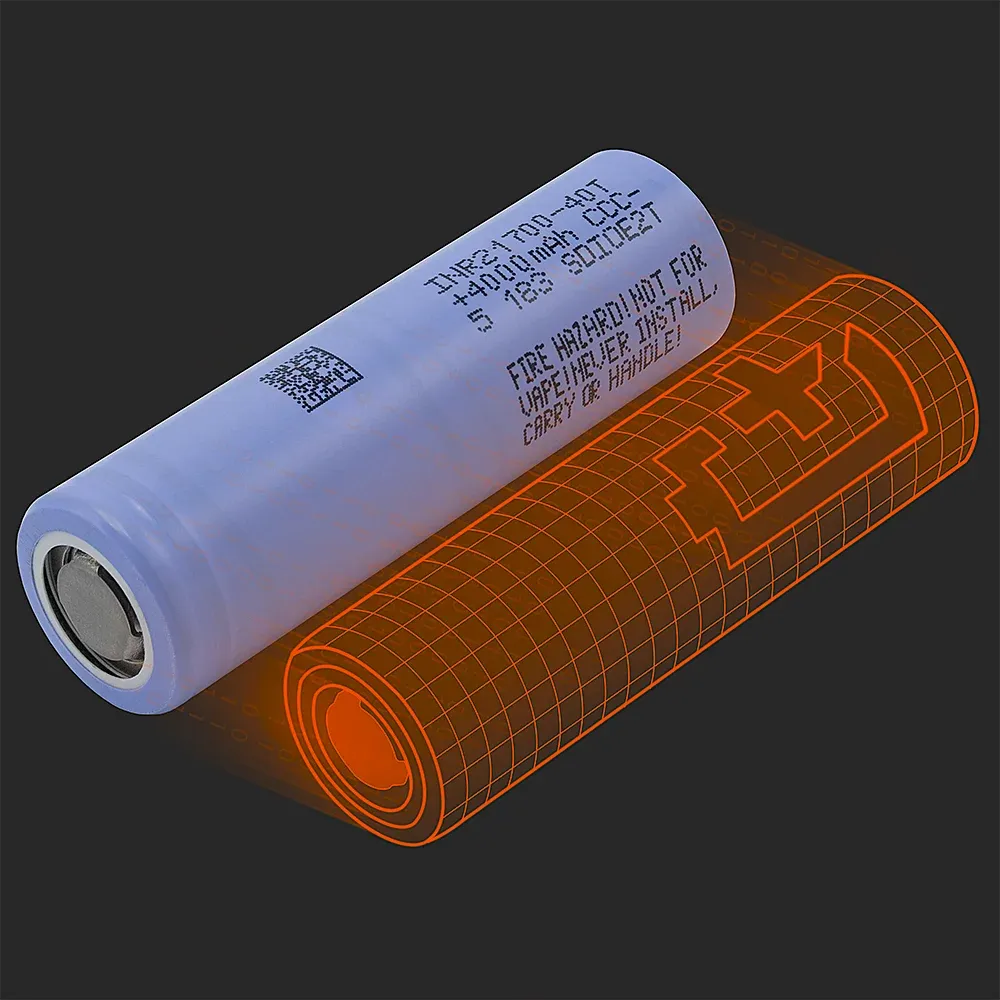
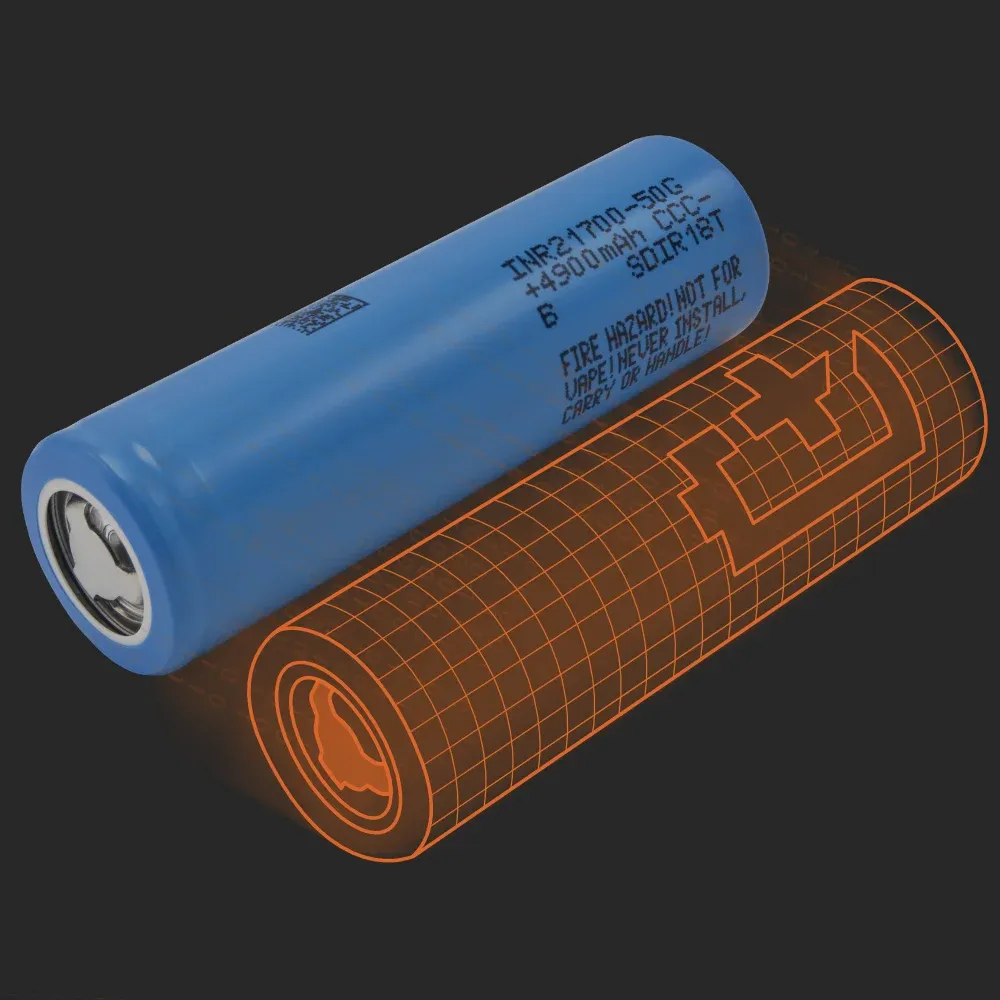
For cells in the library
Batemo Cell Model Library
- A subscription gives you immediate access to many battery cell models.
- Regular updates with new cells are included.
- The Batemo Cell Explorer shows which cells are available.
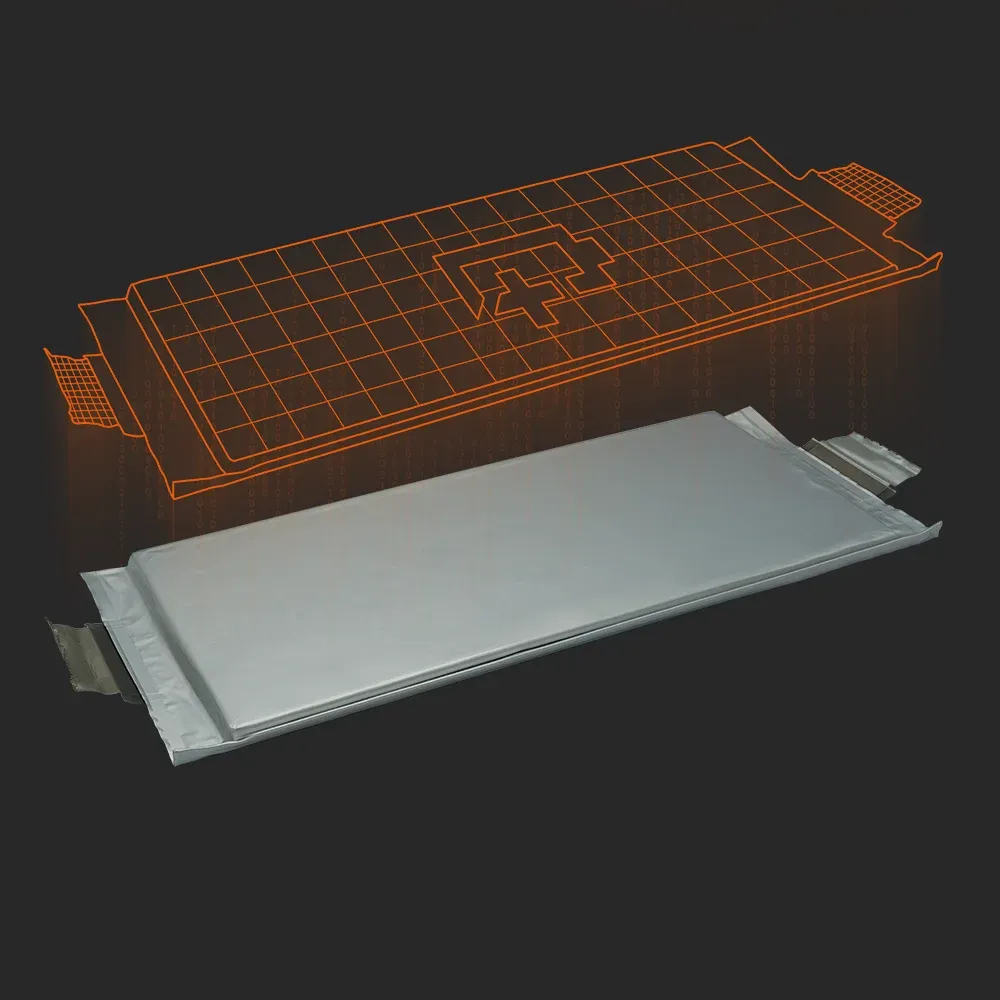
For your own cell
Custom Batemo Cell Model
- You have your own cell and want to keep everything confidential.
- Batemo creates the Batemo Cell Model exclusively for you.
Integration into your simulation environment.
The Batemo Cell Model has an electrical and a thermal interface, just like the real cell. You set the initial conditions in a graphical parameter interface. Then you supply the electrical and thermal boundary conditions and start the simulation.
The model shows the dynamic performance of the cell under all conditions. Everything you can do with the real cell, you can do with the model. In addition, it calculates internal cell quantities: inner temperatures, electrochemical electrode potentials and where losses are generated.
Batemo integrates the model into your simulation environment, so you build on your previous work. Built-in integration is available for MATLAB Simulink, MATLAB Simscape, Simcenter Amesim, AVL CRUISE M, AVL FIRE M, Elements and Cradle CFD. A Batemo Cell Model FMU connects the model to all common simulation tools.
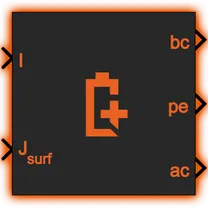 MATLAB Simulink
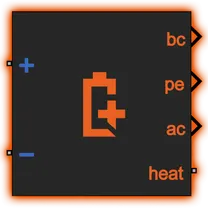 MATLAB Simscape
 Simcenter Amesim
 AVL CRUISE M
 AVL FIRE M
 Elements
- Cradle CFD
 FMU
Technical onboarding
We are there for you from the first day. Batemo Support works with your team until the model runs in your environment and creates value in your daily work.
Models and tutorials
You get ready-to-use models and permanent access to the Batemo video tutorials. They introduce all features and show best-practice examples.
Initial project
If you wish, Batemo Engineering does your first modeling and simulation work in an initial project. You receive all models, scripts and data and take over from there.
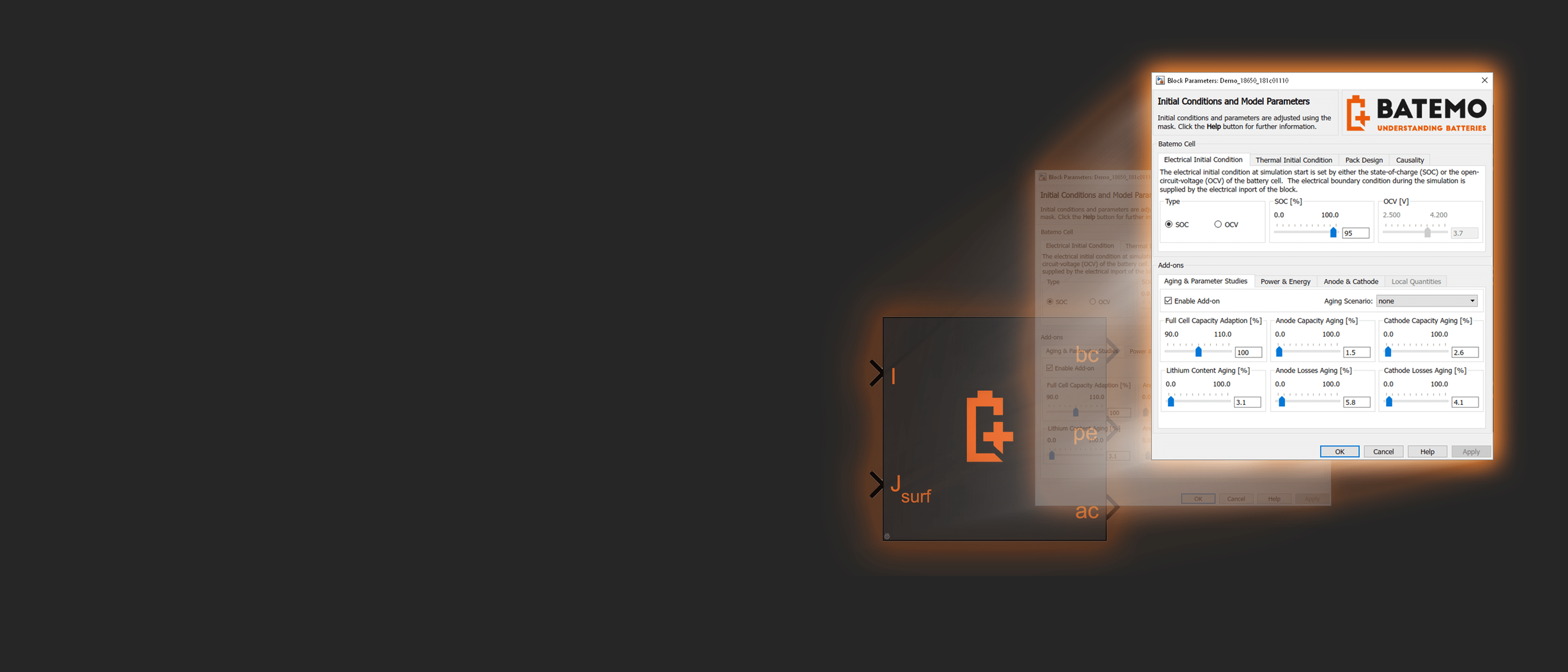
Applications of the Batemo Cell Model.
Simulation-based development with Batemo Cell Models makes battery development faster and lower in cost, and it leads to better products. These are typical fields of application. Each one links to a page with the evidence.
- 6 months
- earlier start of production in a power-tool program
- +20 %
- peak power in one system optimization project
 Aging and lifetimeUnderstand how and why your cells age, and reach the longest lifetime.
 Fast chargingDevelop charging strategies that charge at the limit without aging the cells.
 Battery cell designDesign your next-generation battery cell with its key performance indicators on target.
 System optimizationFind the optimal design and operating strategy for your system, including its thermal design across the entire operating range.
 BMS developmentPut Batemo Cell Models in the loop for state and parameter estimation in your BMS algorithms.
Batemo Cell Models are used in many more fields of battery development.
Frequently asked questions
What is a battery cell model?
A battery cell model is a simulation model that calculates how a battery cell behaves electrically and thermally. The Batemo Cell Model is a physical model: it describes the electrical, chemical and thermal processes inside the cell. Batemo creates every model for one specific cell type and demonstrates its validity through extensive measurements. A simulation runs in seconds on a normal office computer.
Which simulation software does the Batemo Cell Model run in?
Batemo Cell Models have built-in integration for MATLAB Simulink, MATLAB Simscape, Simcenter Amesim, AVL CRUISE M, AVL FIRE M, Elements and Hexagon Cradle CFD, and as an FMU they run in all common simulation tools.
How accurate are Batemo Cell Models?
Batemo Cell Models are the most accurate battery cell models, and Batemo backs this with a promise: "If you can show us another battery cell model that is more accurate, we will refund your money." Accuracy is calculated from validation experiments across the cell's full operating range. We publish the accuracy of every model on its own cell page on this website.
Can Batemo create a model of my own battery cell?
Yes. When you have your own cell and want to keep everything confidential, Batemo creates a custom Batemo Cell Model exclusively for you. For cells on the market, a subscription to the Batemo Cell Model Library gives you immediate access to many models, with regular updates. The free Batemo Cell Explorer shows which cells are in the library.
How fast does a battery cell simulation with the Batemo Cell Model run?
A Batemo Cell Model runs in seconds on a normal office computer. It still describes the physical processes inside the cell, so it stays valid at high currents, at low state of charge and across the entire temperature range. You can run development tasks and test scenarios with single cells, battery packs or complete systems in a fraction of the time of lengthy measurements.
Start from your question, not from our product names.
Seven things Batemo delivers. Which one you need depends entirely on what you are trying to find out.
Which cells should I even be looking at?
Measured behavior of every cell in the library, side by side — including what the public Explorer does not show.
Batemo Insights
How will this cell behave in my system?
A physical simulation model of the cell that runs in your own environment, under conditions you have never tested.
Batemo Cell Model · you are here
What did this cell actually do on the bench?
The full experimental characterization across the operating range, as measured — plus the viewer to read it.
Batemo Cell Data
A teardown report: materials, internal construction and safety-relevant findings, without opening a cell yourself.
Batemo Cell Report
Where inside the cell does it get hot?
A spatially resolved model of a sub-volume — local distributions the one-dimensional cell model averages out.
Batemo Cube Model
What happens if I change the cell itself?
Vary design parameters of an existing cell and see the consequence before anyone builds a sample.
Batemo Cell Designer
How does this scale to a module and a pack?
From cell to pack: cooling, mechanics and cost weighed against each other in simulation.
Batemo Pack Designer
Talk to an engineer who knows the models.
They know the models, how they are applied, and how our customers build their simulations with them.
Or start with the measurements — explore the public Batemo Cell Explorer →