Battery cell selection on equal terms
Datasheets cannot be compared. Every manufacturer measures under its own conditions.
Battery cell selection needs a fair comparison, and datasheets cannot give you one. Batemo Insights holds measurements of more than 340 cells, every one measured on Batemo's own test benches under the same conditions. Compare the whole longlist before you order a single sample. The cells you then order are the ones already on your shortlist.
Talk to a battery engineerBattery cell benchmarking: today and with Batemo Insights
Today, selecting a cell means collecting datasheets, ordering samples and measuring every candidate yourself. With Batemo Insights, a battery cell database measured to one test standard, the comparison is there before you order the first sample.
Today
Collect datasheets.
You request datasheets from many manufacturers, one supplier at a time.
With Batemo Insights
Log in once.
Every cell Batemo has measured is in one place: 343 cells today.
You gain: 343cells behind one login
Today
Compare what does not compare.
Every manufacturer measures under its own conditions, so two datasheets do not line up.
With Batemo Insights
Compare like with like.
Batemo measured every cell on its own test benches, under identical electrical and thermal conditions.
You gain: 1test standard for every cell
Today
Order samples and wait.
You contact suppliers and wait for the cells: 30 days from the first request until the cells are in your lab. If you are fast.
With Batemo Insights
Start today.
The measured data is there now. No samples and no waiting for the longlist.
You gain: 30 to 0days until you can compare
Today
Measure and analyze every candidate.
Typically 1 month of performance characterization per test campaign. Then the raw data has to be processed, evaluated and put side by side by hand.
With Batemo Insights
See what each cell can do.
Discharge curves, heat generation, impedance, batch spread and more for every cell, processed and ready to compare.
You gain: 196measured parameters per cell, ready to compare
Today
Start over when something changes.
A candidate fails, a requirement changes or a new cell comes to market. Sourcing and testing begin again, and you only hear about new cells if a supplier tells you.
With Batemo Insights
Stay current without effort.
Batemo adds new cells to Insights continuously, so new candidates appear in your comparison automatically. A new requirement is a new filter, not a new test campaign.
You gain: Minutesto compare again, not weeks
New in the library
Every cell in the library was measured on Batemo's own test benches, under the same conditions. Each one has its own page in the Batemo Cell Explorer.
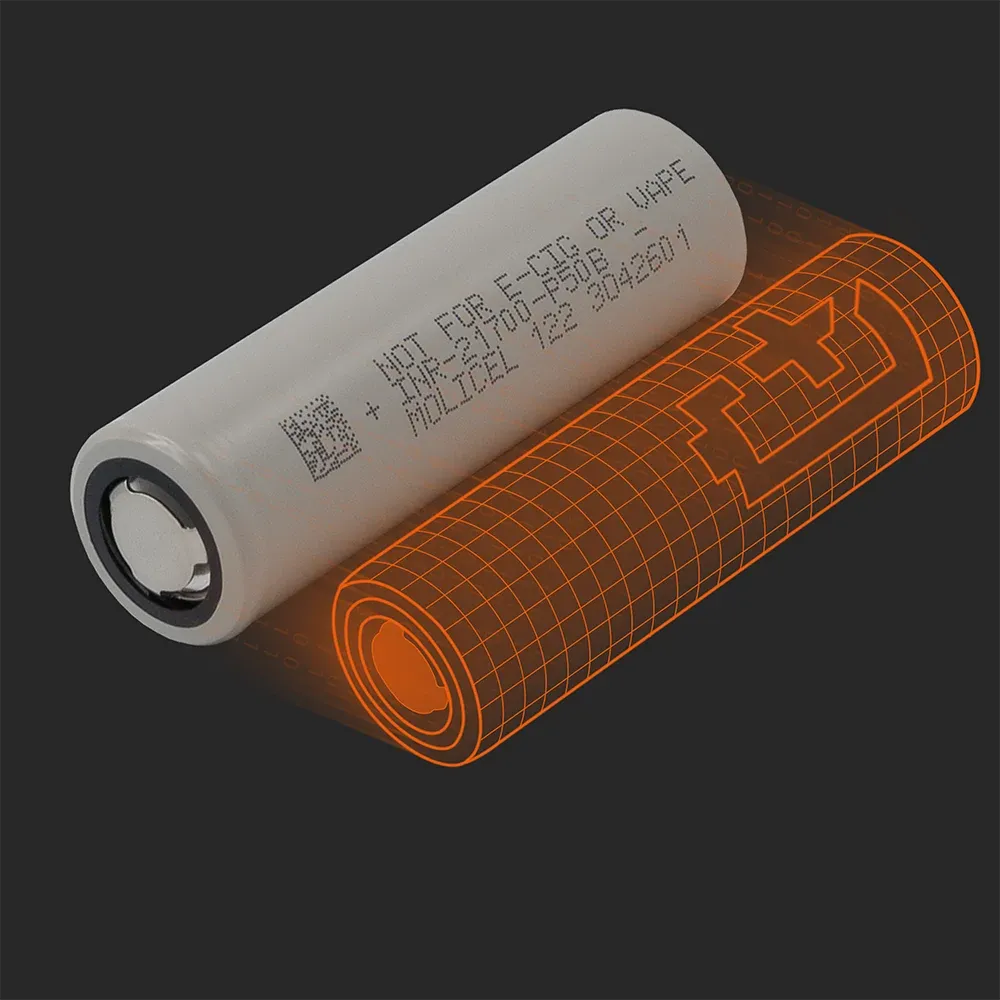 MolicelINR21700-P50B21700
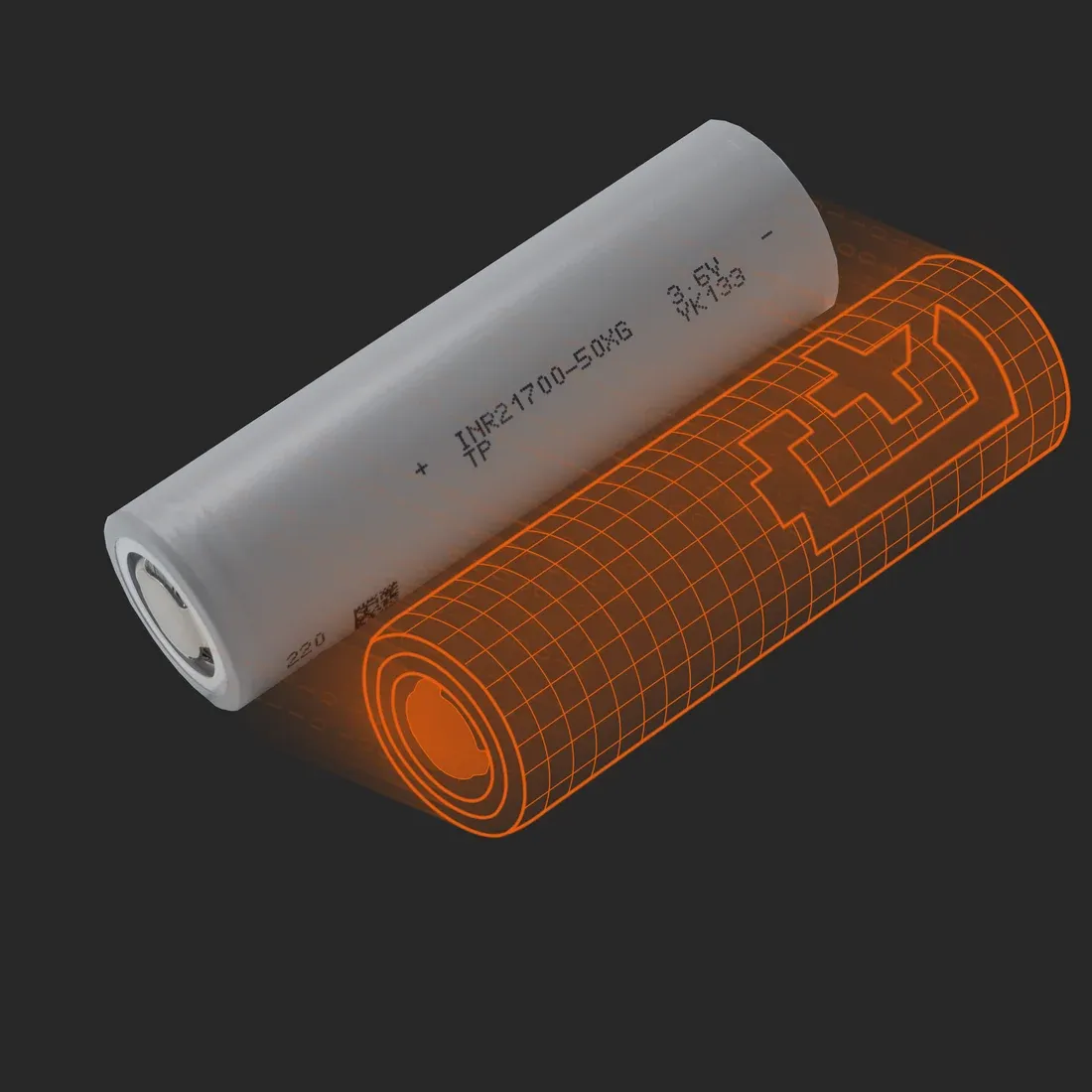 TENPOWERINR21700-50XG21700
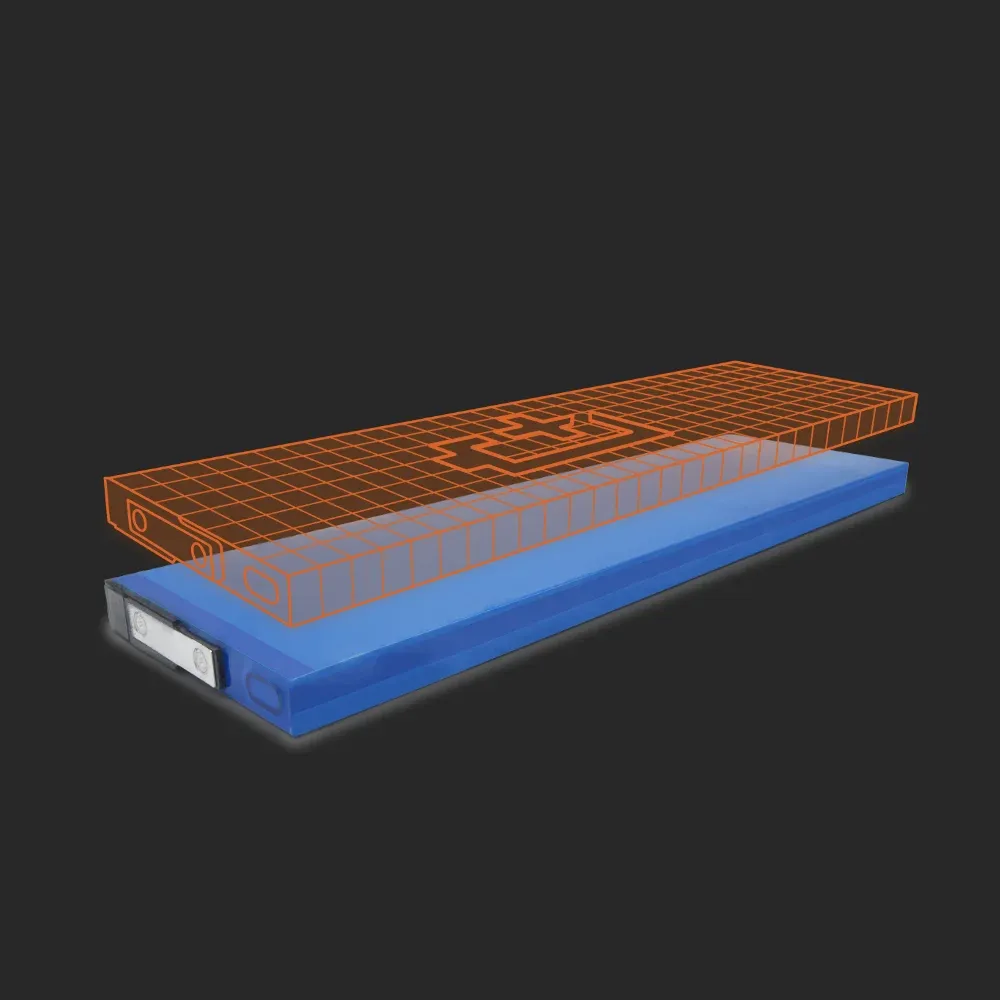 BYDBlade 2.0Prismatic
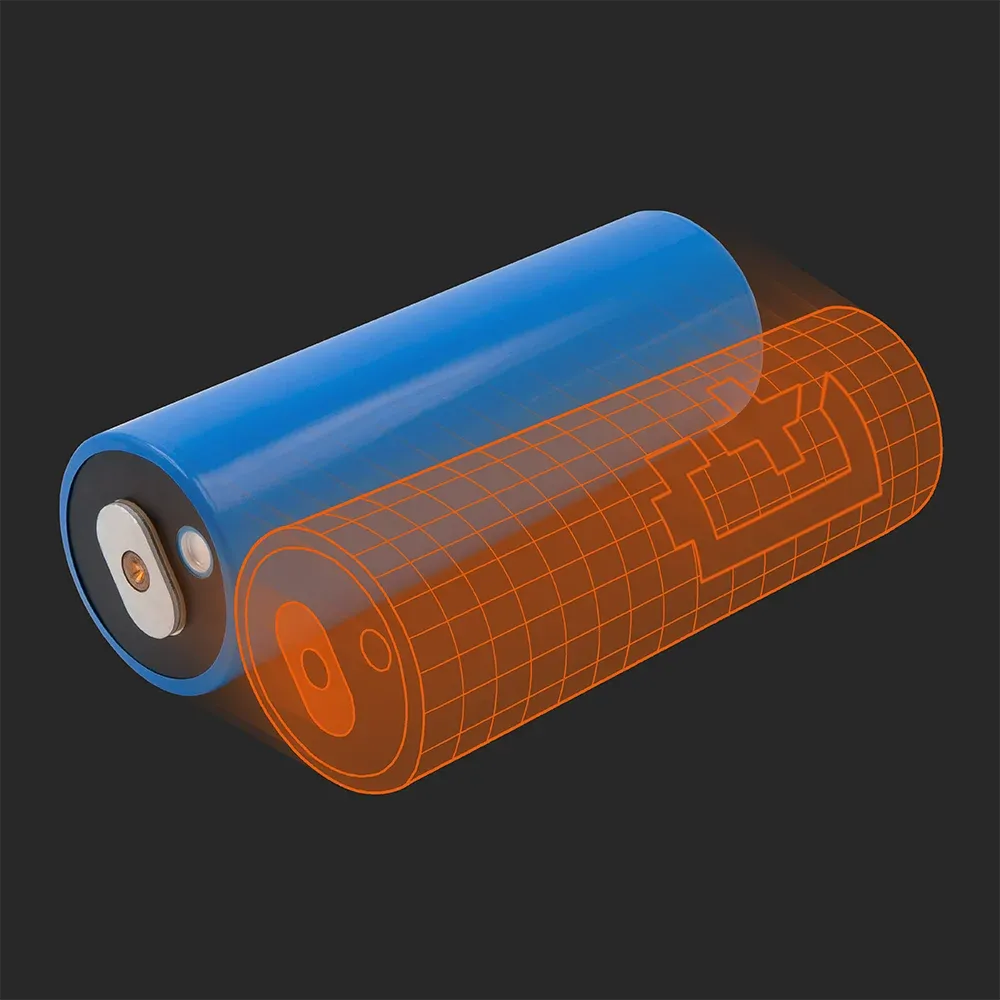 CATL46135-25Ah(A)46135
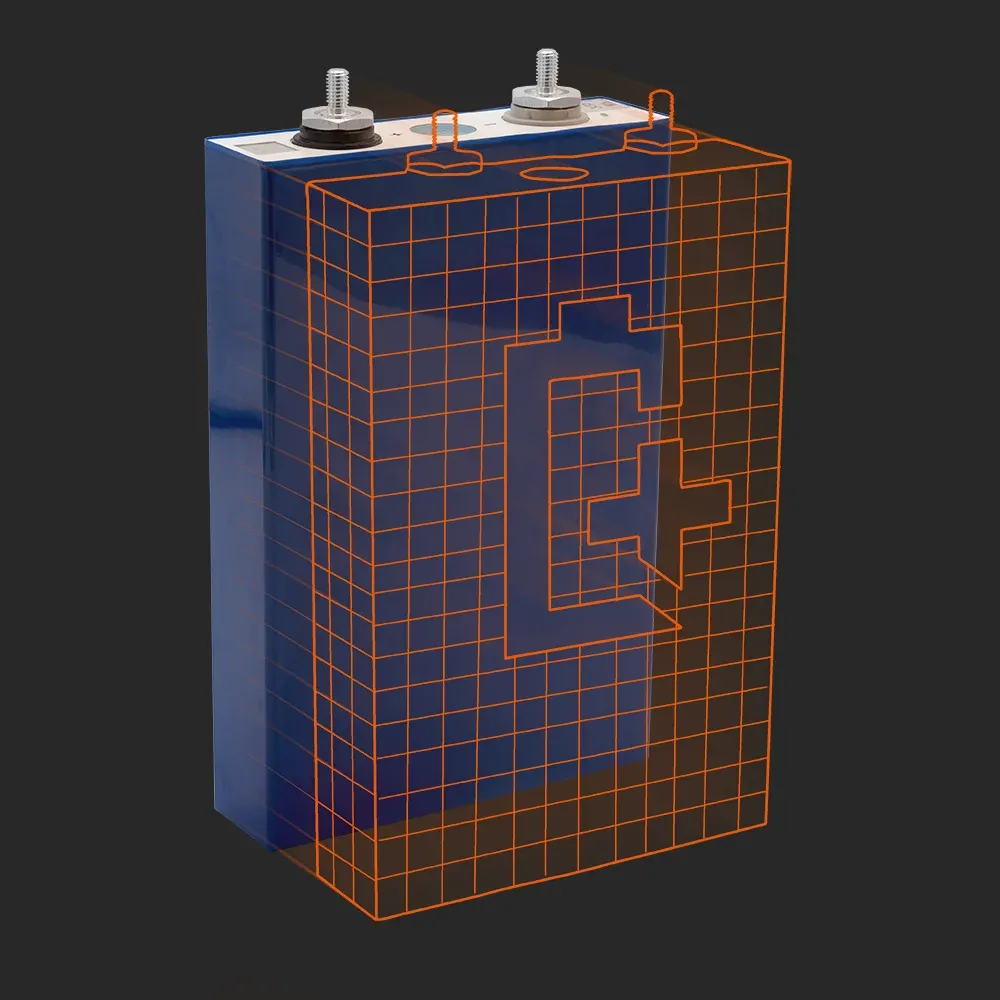 EVE EnergyLF105Prismatic
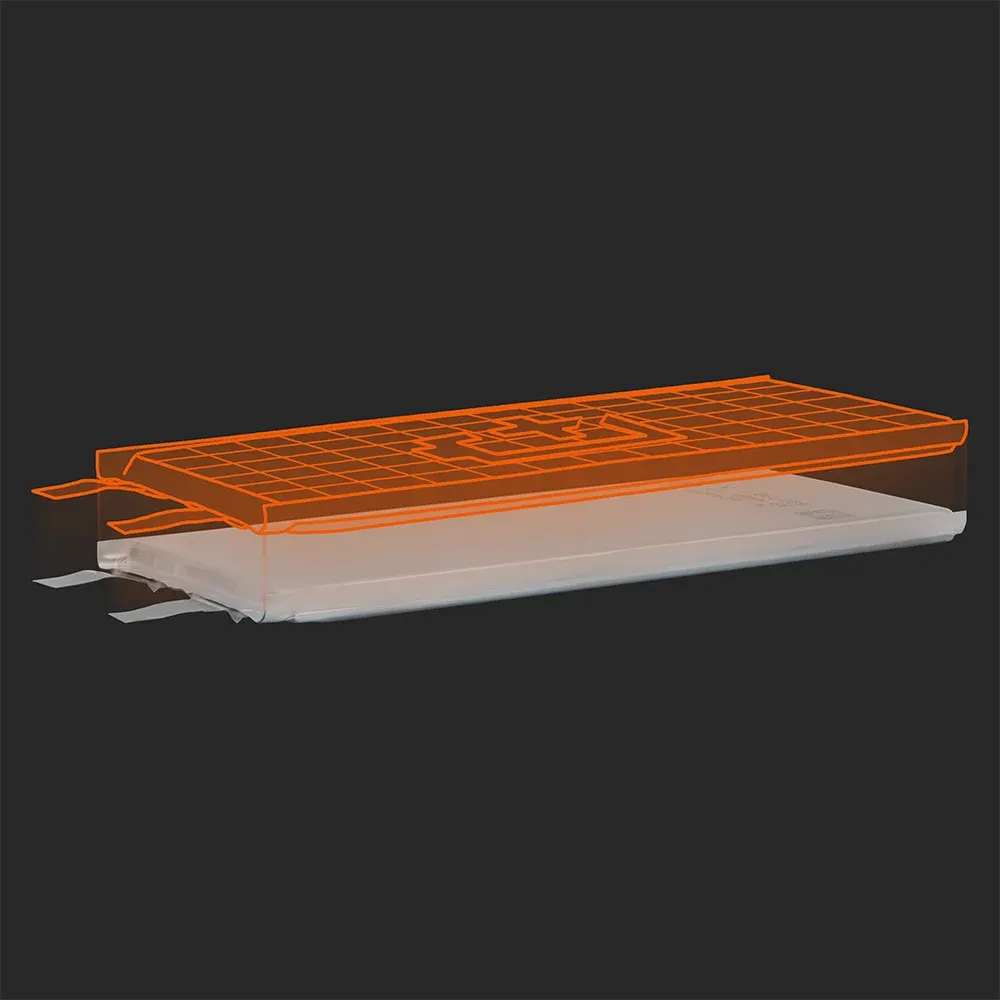 AmpriusSA03Pouch
The library at a glance
272
cylindrical cells
18650: 141 · 21700: 96 · 26XXX: 13 · 46XXX: 9 · other: 13
46
prismatic cells
25
pouch cells
62
manufacturers
All 62 manufacturers: A123 Systems · Altairnano · Ampace · Amprius · Apex (Wuxi) · ASPILSAN · BAK Battery · Beyonder AS · BYD · CALB · CATL · CBAK · CHAM · DMEGC · EFEST · Enpower Greentech · EVE Energy · EVE Power · Far East Battery (FEB) · Farasis · Golden Feather · Goldencell · Gotion · Great Power · Highstar · HiNa Battery · HohmTech · Innolith · LG Chem · LG Energy Solution · Linkdata · Lishen · LithiumWerks · Lithplus · Melasta · Molicel · muRata · Nitecore · Panasonic · REAL-CELL · Reliance · REPT · Rincell · Samsung SDI · Sanyo · SAPB · SINC · sinowatt · SKI · Sunpower · Sunwoda · SVOLT · TENPOWER · TerraE · THLB · Tiankang · Tianneng · Toshiba · V4Drive · V4Smart · VARTA · Zeekr
How much time does Insights save in your test plan?
The test matrix grows with every cell, temperature and load case. Put your numbers in and compare the classic route with a shortlist from Insights.
Measured batch variation
CapacityAh
Internal resistancemΩ
- ± 0.12 %spread in capacity, 4 cells, mean 2.0749 Ah
- ± 2.22 %spread in internal resistance, 4 cells, mean 18.44 mΩ
A slow discharge, a fast one, a peak, and so on.
More than one shows the spread within a batch.
How this is calculated8 fixed assumptions
The matrix is the number of tests your plan needs: one for every combination of cell, temperature step, load case and repeat. The temperature steps follow from your range and the largest step allowed: both ends always count, plus as many points in between as it takes. On the classic route, bench time is the matrix times the measurement time, divided by the channels you can run at once. On top of that come sourcing, contacting suppliers, the entry tests and the analysis hours. With Insights you compare the candidates on data that already exists: nothing is sourced, contacted or tested. What remains are two steps in Insights, the comparison and the preparation of the results. Days are converted to months at 30.44 days per month.
- Temperature steps at mostLargest gap the test plan may leave between two measured temperatures. A smaller gap means more measurements.
- 20 °C
- Batemo's battery engineers: at least one sampling point every 20 °C.
- Mean measurement time per test
- 12 h
- Working figure from Batemo's battery engineers.
- Scripting and analysis per test
- 0.25 h
- Working figure from Batemo's battery engineers.
- Working hours per day for that analysis
- 8 h
- Batemo's battery engineers: one working day in the lab.
- Sourcing the cells takes
- 30 days
- Batemo's battery engineers. With Insights no cells are sourced.
- Contacting suppliers and requesting samples takes
- 3 days
- Batemo application specialist
- Entry tests when the cells arrive takeCapacity, impedance and the other incoming checks.
- 5 days
- Batemo application specialist
- Each of the two steps in Insights takesStep one: filter and compare the candidates. Step two: prepare the shortlist and the results.
- 5 days
- Batemo application specialist. No samples and no bench time are needed.
Questions about battery cell selection
What is battery cell benchmarking?
Battery cell benchmarking compares candidate cells with each other under the same conditions, on the values that matter for your application. The conventional way is to compare datasheets. That is where the problem lies: every manufacturer measures under its own conditions, so the values are not comparable. The comparison is only fair when every cell was measured the same way. Batemo measures every cell in the Batemo Cell Explorer under identical electrical and thermal conditions on its own test benches, and Batemo Insights puts these measurements side by side.
Why can't I compare battery cells using datasheets?
A datasheet states values measured under the manufacturer's own conditions, usually at room temperature and a slow, constant discharge, typically 0.2C to 0.5C. Every manufacturer chooses its own conditions, so the datasheets of two cells do not line up. Your product also draws other currents at other temperatures, where usable capacity and heating differ. Data measured to one test standard closes that gap.
How long does cell benchmarking take?
It depends on the test matrix: candidate cells times temperature steps times load cases times repeats. In a standard case (10 candidates, −20 to 40 °C, 5 load cases, 40 test channels), the classic route takes about 47 days. With Batemo Insights the same comparison takes about 10 days, because nothing has to be sourced or measured. These are working figures from Batemo's engineers. Use the calculator on this page to estimate the time for your own project in a few seconds.
Can I compare battery cells before I receive samples?
Yes, for every cell in the Batemo Cell Explorer. Each of them was measured by Batemo. The free Batemo Cell Explorer gives a first look at every cell, and Batemo Insights holds the full measurement record, so you compare the whole longlist before you order a single sample. For a cell that is not in the Cell Explorer yet, Batemo measures your A- or B-sample.
Which KPIs matter for my application?
That depends on how your product is used. Write down its operating window first: the currents it draws, the temperature range and the lifetime it needs. The KPIs then follow from the application. Power tools draw high currents in short bursts, so peak power, continuous power towards the end of discharge and the temperature rise of the cell matter most. In e-bikes and other light mobility, range decides: every watt-hour per kilogram counts, and so does the usable capacity in the cold. Automotive and industrial packs add cycle life, fast-charging capability and the behavior at high temperature. Compare the cells on exactly the KPIs your application needs. Batemo Insights gives you the measured data behind these KPIs for every cell in the Batemo Cell Explorer: capacity and power at your currents, heat generation, aging and batch spread, all measured by Batemo under identical conditions.
How many cells should I test?
It depends on how much the cells of one type vary. Cells from a mature, high-quality series production are usually very consistent, so the spread between them is small. For new cell types, early samples or suppliers you do not know yet, the spread can be large. If you do not know, three cells per test point are a good starting value: that shows the spread and makes an outlier visible. Keep in mind that the test matrix multiplies: candidates times temperature steps times load cases times cells per point. A practical way to keep it manageable is to narrow the longlist with measured data first and test only the two or three finalists in depth. Batemo Insights shows the measured batch spread of every cell in the library before you order samples.
Two ways to start your cell selection
If you need the decision
Bring us the cell decision you are facing.
An engineer who has measured these cells reads your message — not a mailbox, and not a sales desk that forwards it.
If you need the data
See your longlist side by side, measured the same way.
Batemo Insights holds the measured behavior behind every cell in the Batemo Cell Explorer — including what the public Explorer deliberately does not show.
Or start with the measurements — explore the public Batemo Cell Explorer →